What to Know About Eating Bananas in the Morning
The banana might be the ultimate grab-and-go breakfast. It comes in its own wrapper, needs no prep, and disappears in about a minute on a busy morning…

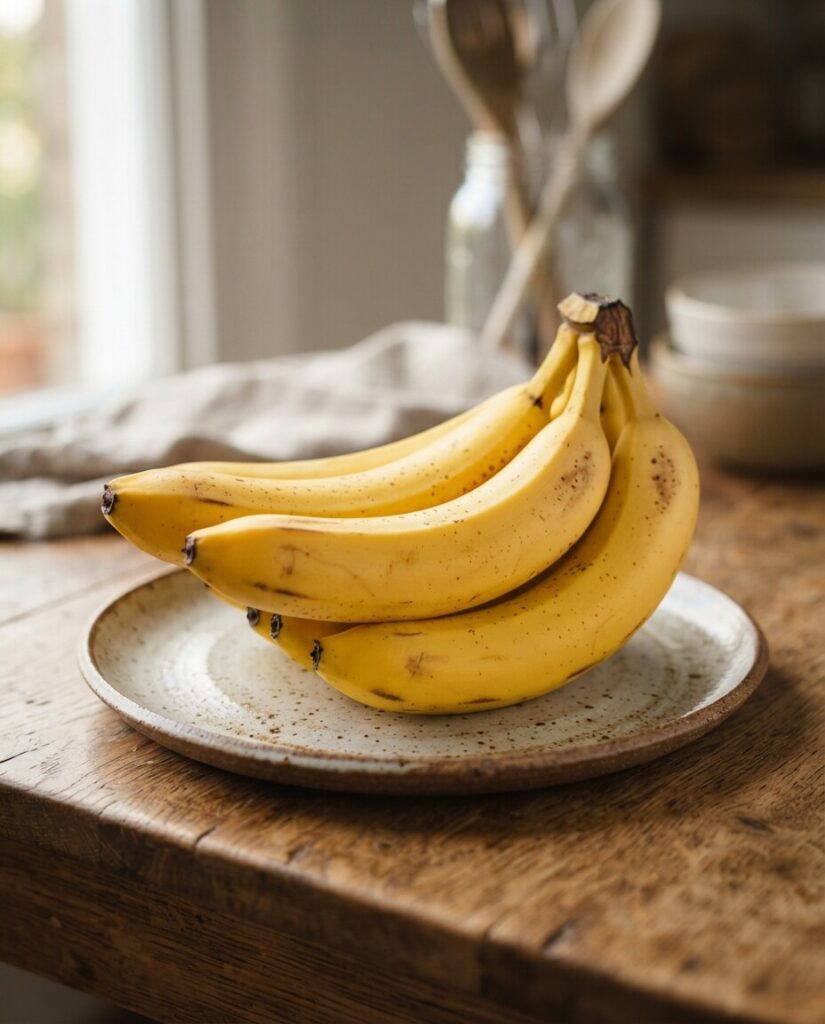
I eat a banana most mornings, straight off the counter, no plate. It’s the easiest breakfast there is. You’ve probably seen the claim that eating one alone, first thing, isn’t actually the smartest move. So is there anything to that? Mostly, it comes down to balance.
Jump to section
Bananas Are Genuinely Good Food, Full Stop
Let’s be clear about that first: bananas are a wholesome, convenient fruit. A medium one brings a solid mix of:
- Potassium, a mineral a lot of diets fall short on
- Vitamin B6 and a little vitamin C
- Fiber that supports comfortable digestion
- Natural, quick-to-use carbohydrates for energy
Nothing here to worry about. The real conversation is about how and when you eat one.
The Catch With Eating One Alone
A ripe banana is naturally sweet, so it delivers its carbohydrates fairly fast. Eaten by itself, first thing, that can give you a quick lift that doesn’t always carry you to lunch. Some people also find fruit alone sits a little light and leaves them hungry again sooner than expected.
This varies a lot from person to person, so treat it as something to notice in your own body, not a rule. My own rule of thumb after years of testing this on myself: if I pair the banana with a spoonful of nut butter, I don’t think about food again until noon. On the mornings I eat it plain, I’m hunting for a snack by ten. If you do feel that mid-morning dip, the fix is simple: give the banana some company.
Better Ways to Eat a Banana in the Morning
Pairing a banana with protein or healthy fat slows things down and makes the whole breakfast more satisfying. A few combinations that work:
- Sliced banana with eggs, Greek yogurt, or a spoonful of nut butter
- Banana alongside a small handful of nuts or seeds
- Banana stirred into oatmeal or layered on whole-grain toast
- Banana blended into a smoothie with milk or a plant-based protein
These pairings steady the release of energy and keep you full longer, which is exactly what most people actually want from breakfast.
Ripeness Changes Things
- Greener, firmer bananas are starchier, less sweet, and tend to digest a little more slowly.
- Spotty, very ripe bananas are softer and sweeter, with carbohydrates your body uses faster.
Neither is wrong. If you want a gentler, slower breakfast, reach for one that’s a touch less ripe.
When a Banana Works Best
- As part of a balanced breakfast, not the whole thing
- After a meal, as a sweet finish
- Before or after a walk or workout, when quick energy is handy
- As an afternoon snack with a few nuts or some yogurt
Pay Attention to Your Own Mornings
The most useful thing you can do is notice how different mornings actually feel. If a plain banana leaves you steady and comfortable until lunch, there’s no reason to change anything. If you tend to slump an hour or two later, that’s your cue to add protein or fat next time. There’s no single perfect breakfast that works for everyone. A week or two of small experiments will tell you more than any general rule ever could.
Frequently Asked Questions
Is it bad to eat a banana on an empty stomach?
For most healthy people, no. Some just feel steadier pairing it with protein or fat, so pay attention to your own mornings.
How many bananas a day is reasonable?
One to two fits comfortably into most balanced diets. Variety across the week is still a good idea.
Are bananas too sugary?
Bananas carry natural sugars alongside fiber, vitamins, and minerals, which is a different thing entirely from added sugar in packaged treats. As part of a varied diet, they’re a sensible choice for most people.
The Short Version
Bananas are nutritious, affordable, and endlessly handy, and there’s no reason to give them up. The only real tweak: instead of a lone banana on an empty stomach, pair it with a little protein, fat, or whole grains so your energy carries you further. Good nutrition isn’t only about what you eat. It’s also about how and when you eat it.
This article is for general information only and is not medical or dietary advice. If you manage a health condition or have specific concerns about your diet, please talk with a qualified healthcare professional or registered dietitian.
Wellness note: This article is for general information only and is not medical advice or a substitute for professional diagnosis or treatment. Natural foods and ingredients can cause reactions or interact with medications. Consult a qualified healthcare professional before making changes — especially if you are pregnant, take medication, or have a health condition. Seek prompt medical care for severe, worsening, or persistent symptoms.