Canary Seed (Alpiste): An Honest Look at the Food
If you spend any time on wellness pages, you have probably seen canary seed sold as a near-magical cure. The real story is quieter, and honestly more…

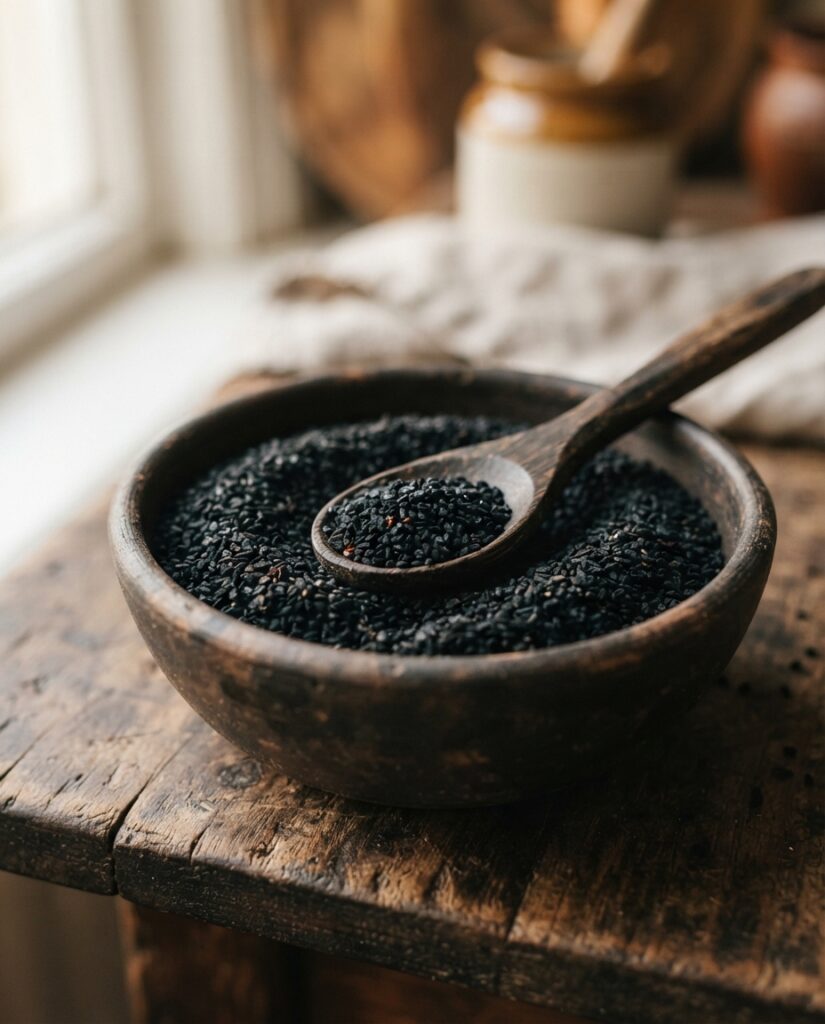
Bird stores sell it by the sack. Somewhere in the last decade, the same seed showed up on wellness blogs promising to melt fat and regenerate your pancreas. Same plant, wildly different story. I bought a bag out of curiosity and mostly found something in between: a decent grain, not a miracle.
Jump to section
What it actually is
Canary seed, or alpiste, comes from Phalaris canariensis, a grass related to wheat and oats. For most of its history it fed birds, not people, the small glossy seed you’d pour into a cage feeder. Plant breeders in Canada eventually developed “glabrous,” or hairless, varieties bred specifically to be eaten by humans. Those human-grade seeds are what get milled into flour or soaked for drinks now. It isn’t some newly unearthed exotic. It’s an old birdseed grain given a food-safe makeover.
What’s actually in it
Nutritionally, it holds up fine without needing to be dressed up. It’s notably high in plant protein for a cereal grain, studies on the glabrous varieties put it above most common grains, plus dietary fiber and minerals like magnesium, iron, and phosphorus. That makes it a genuinely useful addition to a rotation, the same way oats or lentils are useful. What it isn’t is a stand-alone treatment for weight loss or diabetes. The human research behind those claims is thin, and a food is a food, not a medicine.
Where the miracle claims come from
Most of what circulates, that alpiste melts fat, detoxes the body, regenerates the pancreas, traces back to animal studies, personal anecdotes, or plain marketing. Detox in the healthy-body sense is already your liver and kidneys’ job; no seed does it for them. None of that makes canary seed worthless. It means you can enjoy it for what it plausibly offers, protein, fiber, minerals, a mild grassy taste, without expecting it to fix anything on its own.
The safety detail that actually matters
Only buy canary seed clearly labeled for human consumption, the glabrous or hairless type. Ordinary birdseed-grade canary seed is coated in tiny hair-like fibers that contain silica, which can irritate your mouth, throat, and digestive tract. It isn’t meant to be eaten. If a bag only says it’s for birds, it’s for birds; the label matters more than the price here.
How I actually use it
Soak a few tablespoons of the human-grade seeds in water overnight, drain and rinse, then blend with fresh water and strain into a mild, slightly grassy plant milk. A little lemon or cinnamon helps. Some people stir the soaked seeds into porridge or mill the seeds into flour for baking. There’s no special amount that does more than the rest. Treat it like any other whole grain and let it be one part of a normal diet, not the centerpiece of one.
This article is for general information only and is not medical advice. If you have a health condition, take medication, or have concerns, please consult a qualified healthcare professional. See our medical disclaimer.