What Rosewater Really Does for Your Skin
Rosewater won't erase wrinkles, but as a gentle mist or toner it adds real hydration and calm to a simple routine. Here's how to use it the right way.

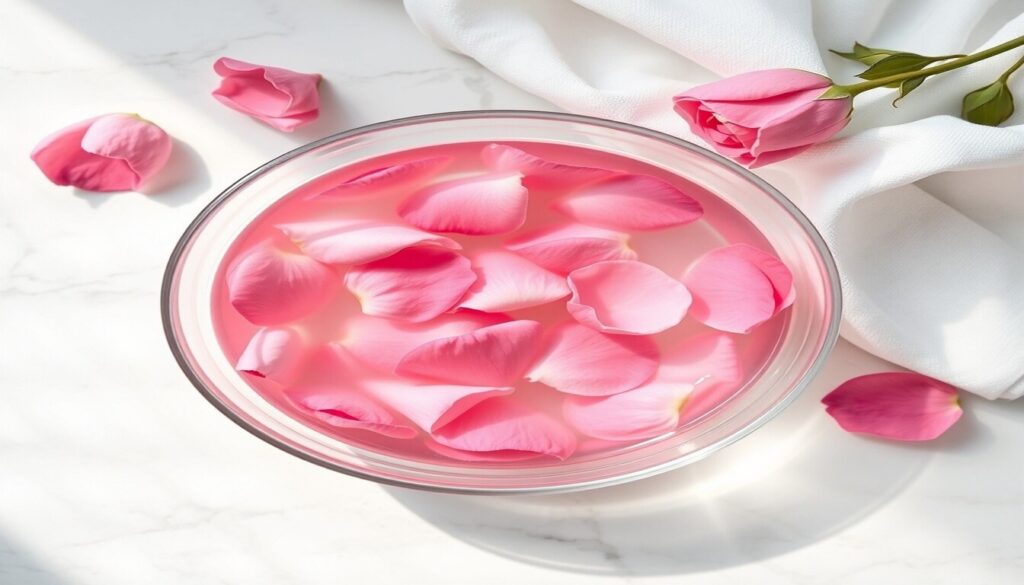
Rosewater shows up in a lot of skincare routines, usually described in glowing terms that promise more than any single product can deliver. Strip away the marketing and what you have is a genuinely nice, gentle liquid distilled from rose petals and water. It is not a cure for anything, and it will not replace sunscreen, moisturizer, or a dermatologist’s advice. But used with realistic expectations, it can be a pleasant, low-effort addition to a simple routine.
Jump to section
A gentle hydrating mist
At its core, rosewater is mostly water, so its main job is hydration. Misted onto the face, it can leave skin feeling refreshed and slightly dewy, especially in dry air or after a long day. Some people also notice a mild astringent feel, a light tightening sensation that comes from natural compounds in the rose petals. This is not the same as a harsh chemical toner stripping oil from the skin; it is much softer, which is part of why rosewater is often recommended for sensitive or easily irritated skin types.
There is also a calming quality to it that many people appreciate. Skin that looks a little flushed or reactive after sun exposure, wind, or a new product can feel soothed by a cool rosewater mist. Think of it as a small comfort step rather than a treatment, similar to how a cool washcloth feels good on a warm day without actually fixing anything underlying.
Simple ways to use it
The easiest method is a spray bottle. A few spritzes on clean skin in the morning or evening, or even midday when skin feels tight or tired, is enough. Let it air dry or gently pat it in rather than rubbing.
Another common approach is applying it with a cotton pad, almost like a traditional toner, right after cleansing and before moisturizer. This can help remove the last traces of cleanser and prep skin so the next product absorbs a bit more evenly.
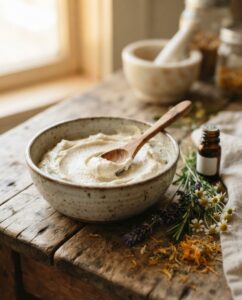
Rosewater also blends well into simple homemade masks. Mixing it with something like plain yogurt, oats, or a bit of honey can turn a dry powder or paste into a smoother, more spreadable mixture, while adding a light floral scent and a touch of extra moisture. None of this turns an ordinary mask into a miracle treatment, but it does make the process a little more enjoyable.
Keeping expectations realistic
It is worth being honest about what rosewater is and is not. It will not shrink pores, erase fine lines, or replace active ingredients like retinoids or vitamin C that have real, studied effects on aging or texture. What it does well is add a light layer of hydration and a moment of calm to a routine, which for a lot of people is exactly what they are looking for on days when skin feels stressed rather than in need of heavy treatment.
It works best as a supporting player, something layered in alongside a normal cleanser, moisturizer, and sunscreen, not as a replacement for any of them. If your skin is dealing with a specific concern like acne, eczema, or persistent redness, rosewater is not a substitute for seeing a dermatologist.
A few caveats before you buy
Not all rosewater is created equal. Look for something labeled pure or additive-free, ideally just distilled rose petals and water with nothing else listed. Many products marketed as rosewater actually contain added alcohol or synthetic fragrance, which can undo the gentle, soothing quality entirely and leave skin dry or irritated instead.
As with any new product, patch-test first. Apply a small amount to the inside of your wrist or behind your ear and wait a day to make sure there is no reaction before using it on your face. Roses are a common allergen for some people, and sensitive skin can react to even gentle botanical ingredients.
Used this way, with clear expectations and a good quality product, rosewater earns its place as a small, honest addition to a skincare routine rather than another overhyped bottle on the shelf.