6 Everyday Foods That Support Circulation
Most of us never think about circulation until something feels off: cold feet under the blanket, hands that take a while to warm up, or legs that feel…

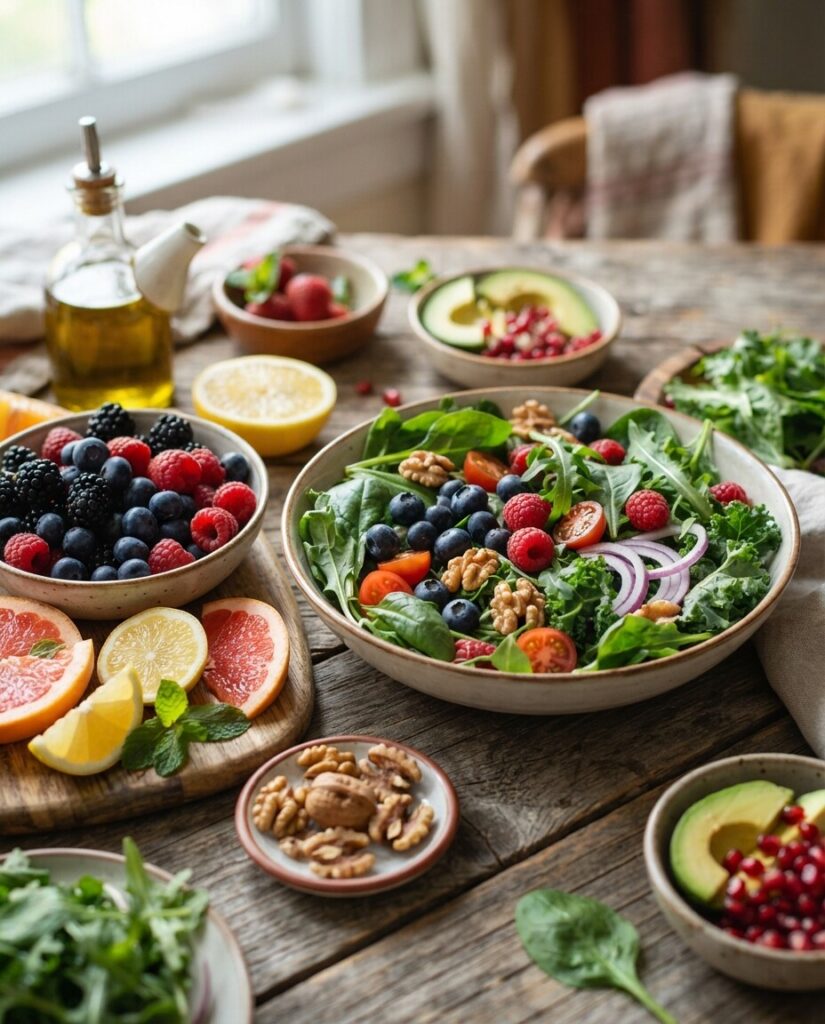
My feet are always the last to warm up. It’s not really a mystery: blood has to travel farthest to reach them, and cold toes tend to be the first place you notice something’s changed with circulation. No single food fixes that, not on its own. But a balanced diet does give your vessels the raw materials they rely on to stay flexible and keep oxygen moving. Here are six foods I keep in regular rotation, plus a few habits that matter just as much.
Jump to section
- 1. Citrus and Bell Peppers, for Vitamin C
- 2. Whole Grains and Peanuts, for Niacin
- 3. Leafy Greens and Legumes, for Iron
- 4. Nuts, Seeds, and Avocado, for Vitamin E
- 5. Pumpkin Seeds and Beans, for Magnesium
- 6. Water-Rich Foods and Plenty of Fluids
- Why Your Legs and Feet Notice First
- Frequently Asked Questions
1. Citrus and Bell Peppers, for Vitamin C
Vitamin C helps your body build collagen, the protein that forms and maintains blood vessel walls, and it works as an antioxidant too, protecting cells from ordinary daily wear. Oranges, lemons, kiwi, strawberries, and bright bell peppers are the cheapest, easiest sources I know of. A piece of fruit at breakfast or a handful of sliced peppers at lunch is really all it takes.
2. Whole Grains and Peanuts, for Niacin
Niacin, also called vitamin B3, shows up in brown rice, whole-grain bread, peanuts, and poultry. It’s part of how your body handles energy metabolism, and swapping refined grains for whole ones is a small change that also adds fiber to your day without you thinking about it.
3. Leafy Greens and Legumes, for Iron
Iron helps your body build hemoglobin, the part of red blood cells that hauls oxygen out to your muscles and tissues. Spinach, lentils, beans, and lean red meat are the usual sources. One trick I actually use in my own kitchen: pair plant-based iron with something high in vitamin C, lentils finished with a squeeze of lemon, say, since vitamin C helps your body absorb iron from plants.
4. Nuts, Seeds, and Avocado, for Vitamin E
Vitamin E is another antioxidant, shielding cells from everyday oxidative wear. Almonds, sunflower seeds, avocado, and olive oil all deliver it, and honestly, they’re pleasant to eat. A small handful of nuts makes an easy afternoon snack; a drizzle of olive oil turns plain vegetables into something you actually want to finish.
5. Pumpkin Seeds and Beans, for Magnesium
Magnesium is involved in normal muscle function, and the walls of your blood vessels are built from smooth muscle too. Pumpkin seeds, black beans, whole grains, and dark leafy greens all carry it. A lot of people run a little short on magnesium day to day, so giving these a regular spot on the plate is a sensible move.
6. Water-Rich Foods and Plenty of Fluids
Hydration is the one people forget. Blood is mostly water, and staying well hydrated helps everything move the way it should. Cucumbers, melon, oranges, and soups all add fluid along with their nutrients. Sipping water through the day is one of the simplest habits with the widest payoff.
Why Your Legs and Feet Notice First
Your feet and calves sit farthest from your heart, so they’re often the first place to feel sluggish when circulation isn’t at its best. Cold toes, a heavy feeling in the lower legs, pins and needles after sitting too long: these are common, and worth paying attention to. If they’re frequent or getting worse, mention it to a healthcare professional rather than trying to self-treat.
A Few Habits That Help
- Move regularly. Short, frequent walks do more for blood flow than one long session after hours of sitting.
- Break up long stretches of sitting or standing; shift position, stretch your legs.
- Stay hydrated through the day.
- If you smoke, quitting does more for your circulation over time than any food on this list.
Frequently Asked Questions
Can food alone fix poor circulation?
No. A varied diet supports overall wellness, but circulation problems can have many causes. Persistent or worsening symptoms belong in a conversation with a doctor.
How quickly might I notice a difference?
There’s no set timeline, and it varies a lot from person to person. Balanced eating is a long-term habit, not a quick fix.
Do I need supplements?
Most people can get these nutrients from a varied diet. Talk to a professional before starting any supplement, especially iron, since too much can cause problems.
This article is for general informational purposes only and does not replace professional medical advice. Please consult your healthcare provider for guidance tailored to your situation.
Wellness note: This article is for general information only and is not medical advice or a substitute for professional diagnosis or treatment. Natural foods and ingredients can cause reactions or interact with medications. Consult a qualified healthcare professional before making changes — especially if you are pregnant, take medication, or have a health condition. Seek prompt medical care for severe, worsening, or persistent symptoms.