3 Drinks That May Help Support Leg Strength
You notice it when standing up from a chair takes a little longer, when climbing stairs feels heavier, or when your legs look thinner than they used to…

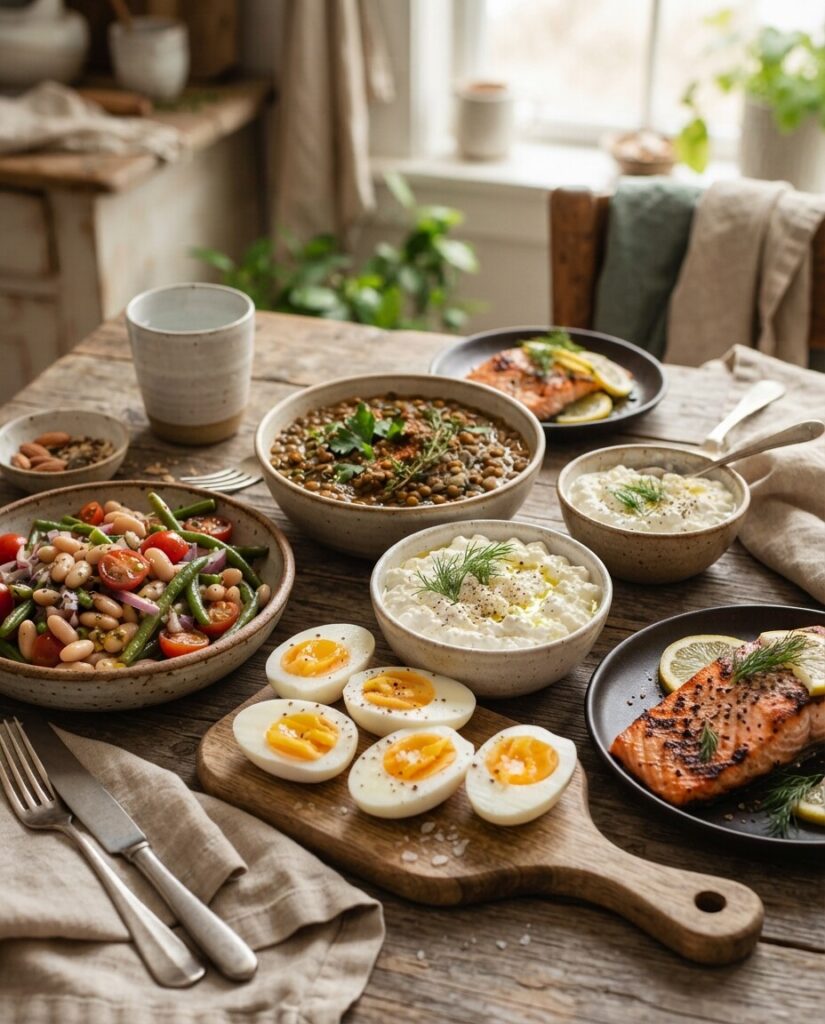
Muscle loss in the legs is quiet: no single dramatic moment, just stairs that get a little harder each year, and standing up from a chair that takes an extra beat it never used to. That’s not really about vanity. It’s about staying able to get up and go without help.
Jump to section
Why Legs Go First
Muscle loss with age is normal and well documented, and legs tend to feel it before anywhere else, for a few mechanical reasons: they carry your whole body weight all day, they shrink fastest when you move less, protein gets absorbed less efficiently as you age, and balance quietly declines alongside all of it.
There’s also a trap here. Fear of falling makes people move less. Moving less weakens the legs further. Weaker legs raise the fall risk that started the whole cycle. Research suggests adults over 60 can lose 3% to 8% of muscle mass per decade without regular activity, which sounds alarming until you realize the fix is mostly just moving regularly and eating enough.
Nutrition Still Matters, Maybe More
Muscles need steady fuel, and that gets harder to supply as appetite and digestion change with age. The nutrients that matter most for muscle function:
- Protein, for maintaining and repairing muscle tissue
- Vitamin D, for coordination and balance
- Calcium, for bone strength
- Magnesium, for muscle contraction
- Enough hydration, full stop: dehydrated muscles are tired muscles
The problem is straightforward. A lot of older adults eat less as appetite drops, which means fewer of these nutrients reach the muscles that need them. That’s where an easy, gentle drink can actually help, not as a cure, just as a way to get calories and nutrients in when a full plate feels like too much.
Three Drinks Worth Trying
Banana and Almond Smoothie
Bananas bring potassium for muscle function, almonds bring healthy fats and magnesium, and the whole thing is easy on the stomach and naturally sweet.
1 ripe banana, 1 tablespoon almond butter, 1 cup warm milk or plant milk. Blend until smooth. Good in the morning, when you want something gentle but not empty.
Warm Milk with Turmeric
An old, comforting combination. Milk provides protein and calcium, turmeric contains compounds linked to inflammation support, and warm drinks tend to sit easier on digestion than cold ones.
1 cup warm milk, a pinch of turmeric, a little honey if you want it sweeter. Good in the evening: it’s more of a wind-down than a wake-up.
Oat and Protein Drink
The one I’d reach for if I genuinely wasn’t eating enough that day. Oats give slow-release energy, added protein supports muscle maintenance, and it keeps you full longer than the other two.
2 tablespoons oats, 1 cup milk, and protein powder if your doctor’s fine with it. Blend and drink.
None of these are magic. But done consistently, not perfectly, just regularly, they’re an easy way to close a nutrition gap that’s otherwise hard to close once appetite drops.
What Makes the Drinks Actually Work
Stay lightly active, daily. Not workouts: short walks, sit-to-stand reps, gentle stretching. Ten minutes counts.
Don’t skip meals. Smaller, more frequent meals beat three big ones you don’t finish. Lean on drinks when appetite is low rather than skipping the meal entirely.
Stay hydrated. Small sips through the day. Warm drinks if cold water isn’t appealing.
Sleep matters more than people expect. Muscles recover while you’re asleep. Poor sleep shows up in strength, balance, and energy the next day.
And it’s worth saying: stress and isolation quietly reduce appetite and energy too. Staying connected to people is part of this, even though it doesn’t look like a nutrition tip.
A Simple Day, Loosely
Morning: banana almond smoothie, then a short walk or stretch.
Afternoon: a balanced meal, water through the day.
Evening: gentle movement, then warm milk with turmeric.
Before bed: nothing heavy, let your body wind down.
Adjust it to whatever actually fits your day. The routine matters less than doing some version of it consistently.
Mistakes Worth Watching For
- Waiting until weakness is severe before doing anything about it
- Reaching for supplements instead of fixing the diet underneath them
- Avoiding movement out of fear of falling, which, ironically, raises the risk
- Ignoring hydration entirely
Early action is the boring, unglamorous part of this that actually matters.
Questions Worth Answering
Can drinks alone improve leg strength?
No. They support the nutrition side; movement still has to happen.
How long before I’d notice anything?
It varies a lot person to person. Some people feel more energy within a couple of weeks; actual muscle support is slower and more gradual.
Is protein really that important for older adults?
Yes. It’s one of the more consistent findings in aging research: adequate protein intake helps maintain muscle mass as you get older.
Disclaimer: This article is for informational purposes only and does not replace professional medical advice. Always consult a qualified healthcare provider before making changes to your diet or routine.