What Eating Beetroot Every Day Really Does
A grounded look at daily beetroot: modest blood pressure and circulation benefits, real nutrition value, and who should be cautious about oxalates.

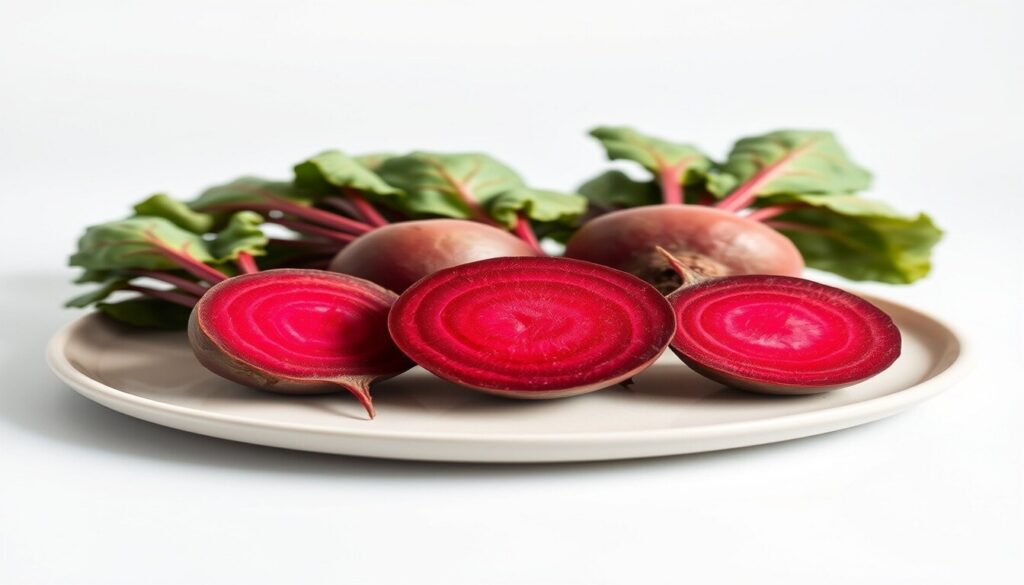
Beetroot has a loyal following among runners, cyclists, and anyone who’s read a headline about “natural performance boosters.” Some of that reputation is earned. Some of it is marketing gloss on a pretty ordinary root vegetable. Here’s a grounded look at what daily beetroot actually seems to do, based on how the body processes it.
Jump to section
The nitrate connection
Beetroot is naturally rich in dietary nitrates, compounds that your body can convert into nitric oxide. Nitric oxide helps blood vessels relax and widen, which is the mechanism behind most of the claims you’ll see about beets and circulation. Wider blood vessels can mean modestly lower blood pressure for some people and slightly more efficient blood flow during exercise.
This isn’t a fringe idea — it’s one of the better-studied pathways in everyday nutrition. But “better-studied” doesn’t mean dramatic. The blood pressure changes seen in research are generally small, more in the range of a gentle nudge than a fix, and they tend to show up more reliably in people who start with elevated blood pressure than in those who are already in a normal range.
Exercise stamina: modest, not magic
The exercise research is where beetroot gets the most attention. Athletes have used concentrated beet juice before endurance events because nitric oxide may make muscles use oxygen a bit more efficiently, which can translate into slightly less perceived effort at a given pace. Some studies show small improvements in time-to-exhaustion; others show nothing meaningful, especially in already highly trained athletes whose bodies are efficient to begin with.
If you’re a recreational exerciser, the honest takeaway is that beetroot is unlikely to turn an average workout into a great one. It may help at the margins — and margins matter to competitive athletes — but it’s not a substitute for training, sleep, or pacing.
Fiber and everyday nutrition
Away from the performance conversation, beets are a genuinely solid vegetable to eat regularly. They provide fiber, folate, manganese, and potassium, and they’re low in calories relative to how filling and flavorful they are. Adding them to salads, roasting them with olive oil, or blending them into soups is a reasonable way to diversify your vegetable intake, independent of any nitric oxide effect.
The pink urine, explained
If you eat beets and later notice your urine (or stool) turns pink or reddish, don’t panic — this is called beeturia, and it’s a harmless, purely cosmetic reaction to a pigment called betalain. Not everyone experiences it; it depends on individual digestion and how acidic your stomach is at the time. It looks alarming the first time it happens, but on its own it isn’t a sign of anything wrong.
Who should be more cautious
Beets are relatively high in oxalates, compounds that can contribute to certain types of kidney stones in people who are prone to them. If you have a history of calcium oxalate kidney stones, it’s worth talking to your doctor about how much beetroot fits comfortably into your diet rather than assuming more is automatically better.
Beets also contain natural sugars — not an alarming amount, but enough to be worth noting if you’re watching blood sugar closely, particularly with beet juice, which concentrates the sugar without the fiber that whole beets provide. Whole roasted or boiled beets are generally the gentler choice over juiced versions.
The bottom line
Daily beetroot isn’t a cure, a shortcut, or a performance hack in the way some marketing suggests. It’s a nutrient-dense vegetable with a genuine, modest effect on blood flow that may offer small benefits for blood pressure and exercise tolerance in some people. Treat it as a worthwhile addition to a varied diet, not a stand-in for the basics — good sleep, regular movement, and balanced meals — that do most of the heavy lifting for your health.