6 Seeds Worth Keeping In Your Pantry
Many people are looking for simple, natural ways to support their health through everyday nutrition. While no single food can prevent or cure disease, a…

Six seeds — that’s the whole premise here: no cure, no miracle, just plant foods that happen to punch above their weight in fiber, healthy fats, vitamins, and minerals most of us are a little short on. I keep four of them in jars on my counter; the other two I forget about until I’m restocking smoothies.
Jump to section
None of this replaces an actual diet. A tablespoon of flaxseed on your oatmeal isn’t going to undo a week of takeout. But swapped in consistently, seeds are one of the easier, cheaper upgrades you can make to what you’re already eating.
1. Flaxseed
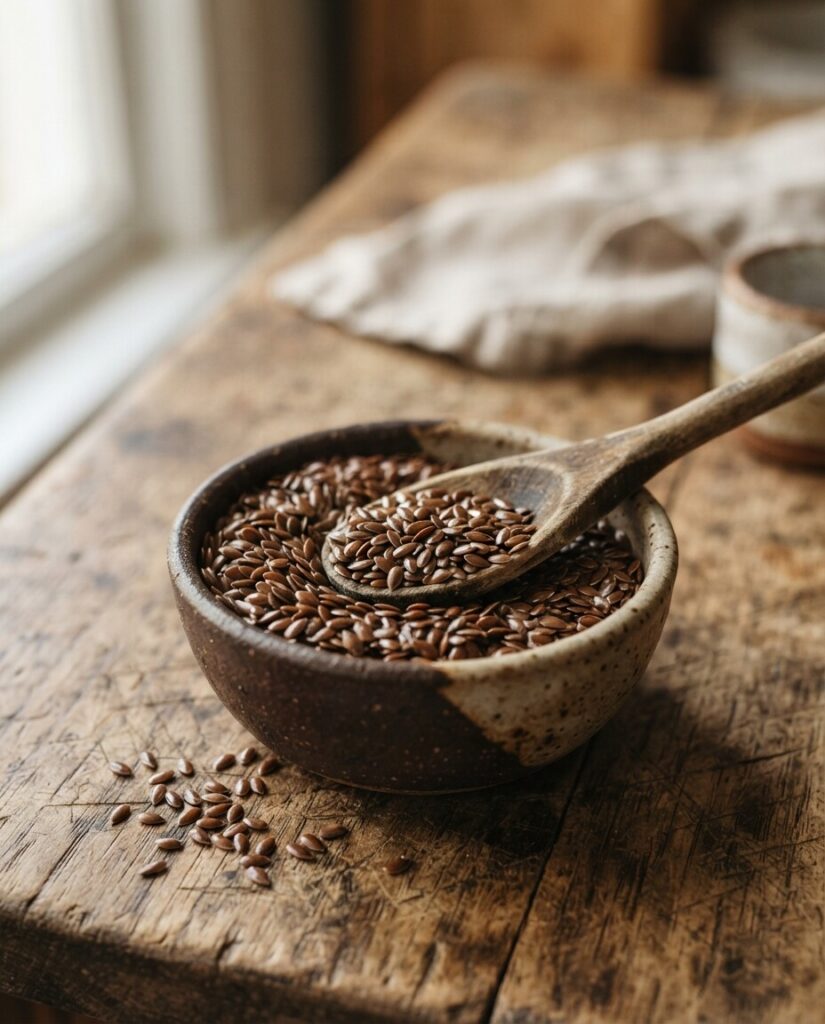
Flax is the one most people have heard of, usually for its omega-3s (technically ALA, the plant form) and fiber. It also has lignans, plant compounds that keep getting studied, though nothing here is settled science.
What it may help with: heart health, healthy cholesterol levels, regularity, and feeling fuller longer.
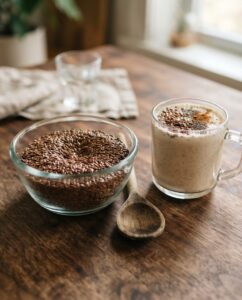
I grind mine right before using it. Whole flaxseed mostly passes straight through undigested, and ground flax goes stale fast, so I keep a small bag in the freezer instead of a big one in the pantry. Stir it into yogurt, smoothies, oatmeal, or homemade bread.
2. Chia Seeds
Small, but they do a party trick: mixed with liquid, they turn into a gel. My kids find this either fascinating or upsetting, depending on the day.
Chia brings fiber, plant protein, calcium, and magnesium, plus omega-3s. It may help with digestion, keeping you full between meals, and, as part of a broader diet, supporting healthy blood sugar and heart health.
Overnight oats, smoothies, yogurt bowls, homemade pudding: chia goes into all of it without much fuss.
3. Pumpkin Seeds
Pepitas, if you’re buying them shelled. A good source of zinc, magnesium, iron, healthy fats, and plant protein. Because of the zinc specifically, they show up a lot in conversations about men’s health.
May help support immune function, bone health, heart health, and normal muscle function. Roasted and salted from a bag is fine occasionally, but plain is the better everyday habit.
4. Sesame Seeds
These have been in kitchens for thousands of years, which says something. Rich in calcium, copper, iron, healthy fats, and lignans.
May support bone health, antioxidant intake, and healthy cholesterol levels. Tahini, the paste made from ground sesame, is honestly the easiest way to get a real amount into your diet: a spoonful in a salad dressing does more than sprinkling raw seeds on top of things.
5. Sunflower Seeds
An excellent source of vitamin E, an antioxidant that helps protect cells from oxidative stress, plus selenium, healthy fats, and plant protein.
May support heart health, skin health, immune function, and general antioxidant intake. Get the unsalted kind if you’re eating them by the handful; salted ones are easy to overdo.
6. Hemp Seeds
The most nutritionally stacked of the six, and the mildest tasting: almost nothing, which is why it’s easy to add to things without changing the flavor. Complete plant protein, omega-3 and omega-6 fatty acids, magnesium, iron, zinc.
May help support muscle maintenance, heart health, and energy metabolism. Toss a spoonful onto salad, soup, or toast, and you won’t notice it’s there.
A Simple Way to Use a Few at Once
Morning smoothie: 1 banana, 1 cup berries, 1 tablespoon flaxseed, 1 tablespoon chia seeds, milk or a plant-based alternative. Blend.
Salad topping: a mix of pumpkin, sunflower, and sesame seeds for crunch.
Energy bites: oats, peanut butter, honey, chia seeds, flaxseed, and pumpkin seeds, rolled into balls and refrigerated.
Or just work pumpkin or sunflower seeds into homemade bread, muffins, or crackers.
How They Stack Up
| Seed | Key Nutrients | Common Benefits |
|---|---|---|
| Flaxseed | Omega-3, fiber, lignans | Digestive and heart health |
| Chia | Fiber, calcium, protein | Satiety and digestive support |
| Pumpkin | Zinc, magnesium | Immune and bone support |
| Sesame | Calcium, copper | Bone health |
| Sunflower | Vitamin E, selenium | Antioxidant support |
| Hemp | Complete protein, healthy fats | Muscle and heart health |
A Few Things Worth Knowing
- Eat a mix rather than betting everything on one seed.
- Store them airtight, away from heat and light. Flax especially goes stale fast once ground, so keep it refrigerated.
- Drink enough water as you add more fiber, or you’ll notice it.
- Add fiber gradually. Your gut will thank you.
- If you have a food allergy, skip whichever seed triggers it. That one’s non-negotiable.
- On blood thinners? Talk to your doctor before making a big dietary change around omega-3-rich foods.
Questions People Actually Ask
Can seeds prevent disease?
No single seed does that, and I’d be skeptical of anyone who tells you otherwise. A diet built around a variety of plant foods is linked to better long-term outcomes. That’s not the same thing as a cure.
Which seed has the most omega-3?
Flaxseed, followed by chia.
How much should I eat a day?
One to two tablespoons of a mix is a reasonable amount for most healthy adults.
Raw or roasted?
Both work. Light roasting brings out more flavor; just skip the heavily salted, over-processed versions.
None of these six will fix anything on their own. But they’re cheap, they keep for months in the freezer, and once you’ve got a jar of each in rotation, using them stops being a decision you have to make every morning.
This article is for general information only and is not medical advice. Talk to a qualified healthcare professional before trying new remedies, especially if you have a health condition or take medication.
Wellness note: This article is for general information only and is not medical advice or a substitute for professional diagnosis or treatment. Natural ingredients can cause irritation, allergic reactions, or interact with medications. Patch-test anything applied to skin, and consult a qualified healthcare professional before trying a remedy — especially if you are pregnant, take medication, or have a health condition. Seek prompt medical care for severe, worsening, or persistent symptoms.