What to Know Before You Eat Another Avocado
Avocado has earned its superfood reputation honestly. It brings healthy fats, fibre, potassium, folate, and a handful of vitamins to the table, and for…

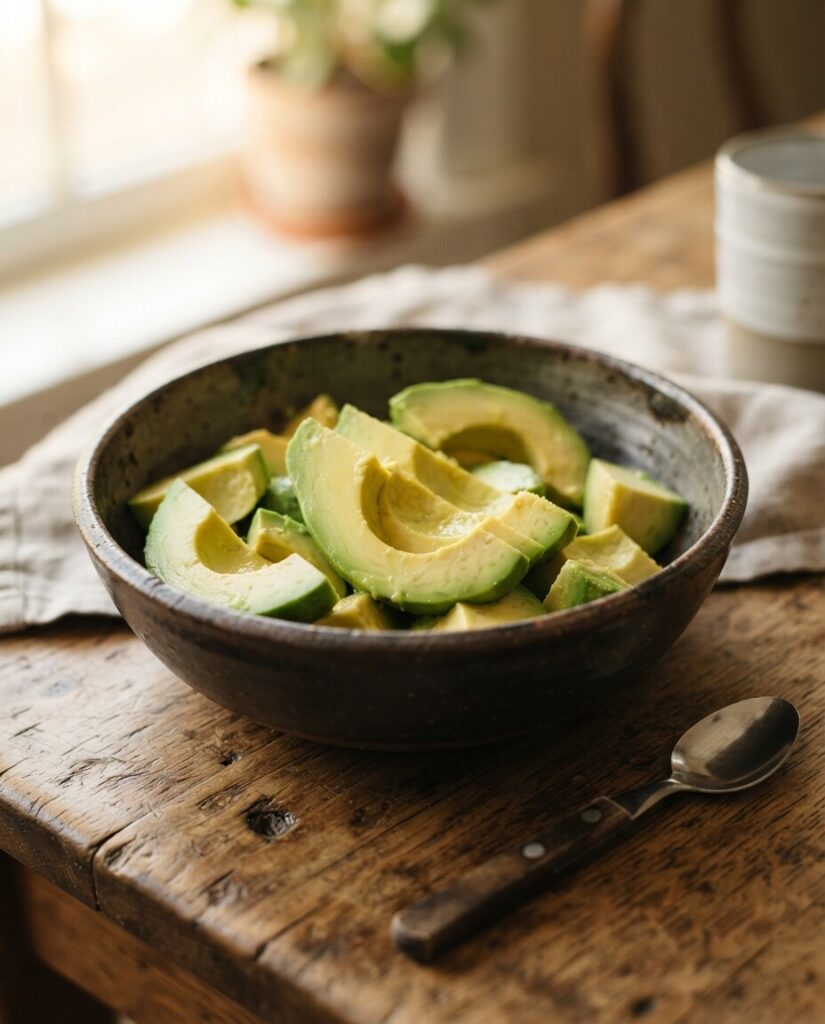
Avocado toast gets mocked, but I still eat it three mornings a week, mashed with lime and too much salt, exactly the way I like it. Most people can eat as much avocado as they want. A few groups genuinely can’t, and knowing which one you are is just smart eating, not a reason to fear the fruit.
Jump to section
1. If You Have an Avocado Allergy
The most straightforward reason to skip avocado is an allergy to it. It’s less common than a peanut or shellfish allergy, but it’s real, and reactions range from mild to serious. Possible signs: itching in the mouth, swollen lips, an upset stomach, a skin rash, or, rarely, trouble breathing. If you repeatedly feel unwell after eating avocado, stop and talk with a doctor or allergist. Any swelling of the throat or trouble breathing is an emergency.
2. If You React to Latex
People with a latex allergy sometimes need to be careful with avocado because of something called latex-fruit syndrome. Certain proteins in avocado resemble proteins in natural rubber latex, so the immune system can occasionally confuse the two. Banana, kiwi, chestnut, and papaya show up in this same pattern sometimes. Not everyone with a latex allergy reacts to avocado, but if you have a history of latex reactions, check with a healthcare provider before eating it often.
3. If Raw Fruit Makes Your Mouth Itch
Some people get tingling, itching, or mild swelling in the mouth after fresh fruits and vegetables. It’s called oral allergy syndrome, and it tends to show up in people who also react to certain pollens. For a few, avocado is one of the triggers. Symptoms are usually mild and short-lived, but still worth paying attention to. If avocado reliably leaves your mouth itchy, skip it until you get proper advice.
4. If You Take Certain Medications
Avocado contains vitamin K and potassium, both of which can matter on specific medicines. People on blood thinners, or on drugs that affect potassium levels, shouldn’t suddenly start eating large amounts without guidance. That doesn’t make avocado off-limits (most people on medication do fine with normal portions), but consistency helps, and your doctor or pharmacist can tell you how it fits your particular prescriptions.
5. If You Have Kidney Concerns or Potassium Limits
Avocado is naturally rich in potassium. That’s a plus for a lot of people, and a problem for those whose kidneys struggle to clear extra potassium from the blood. If you have chronic kidney disease or have been told to follow a low-potassium diet, don’t assume avocado is fine just because it’s natural. Follow the plan your dietitian or care team gave you, it may mean limiting or avoiding it.
6. If You’re Watching Calories or Fat
Avocado’s fats are the heart-friendly kind, but it’s still calorie-dense. A small serving is a great addition to a meal; a whole avocado every day adds up faster than people expect, my own habit included, if I’m being honest about it. If you’re managing your weight or on a low-fat plan for medical reasons, watching portion size lets you keep it in the rotation without overdoing it.
How Most People Can Enjoy It
- Stick to moderate portions, a quarter to half an avocado is usually plenty
- Pay attention to how your body responds, especially the first few times
- Mention it to your care team if you have a relevant condition or take affected medications
Frequently Asked Questions
Is avocado bad for you?
Not for most people. It’s nutritious in normal amounts. The cautions above apply mainly to specific groups: allergies, kidney limits, certain prescriptions.
How much avocado is a reasonable serving?
A quarter to half of a medium avocado is a common serving that adds flavor and nutrients without a large calorie load.
Can avocado really interact with medication?
It can, for people on blood thinners or potassium-affecting drugs. If that’s you, ask your doctor or pharmacist how it fits your routine.
This article is for general information only and is not medical advice. If avocado causes symptoms, or you have a health condition or take medication, please speak with a qualified healthcare professional.
Wellness note: This article is for general information only and is not medical advice or a substitute for professional diagnosis or treatment. Natural foods and ingredients can cause reactions or interact with medications. Consult a qualified healthcare professional before making changes — especially if you are pregnant, take medication, or have a health condition. Seek prompt medical care for severe, worsening, or persistent symptoms.