The Benefits of Eating Avocado Regularly
Avocado has gone from occasional treat to everyday staple for a lot of people, and unlike much of the hype around it, the daily habit is fairly simple to…

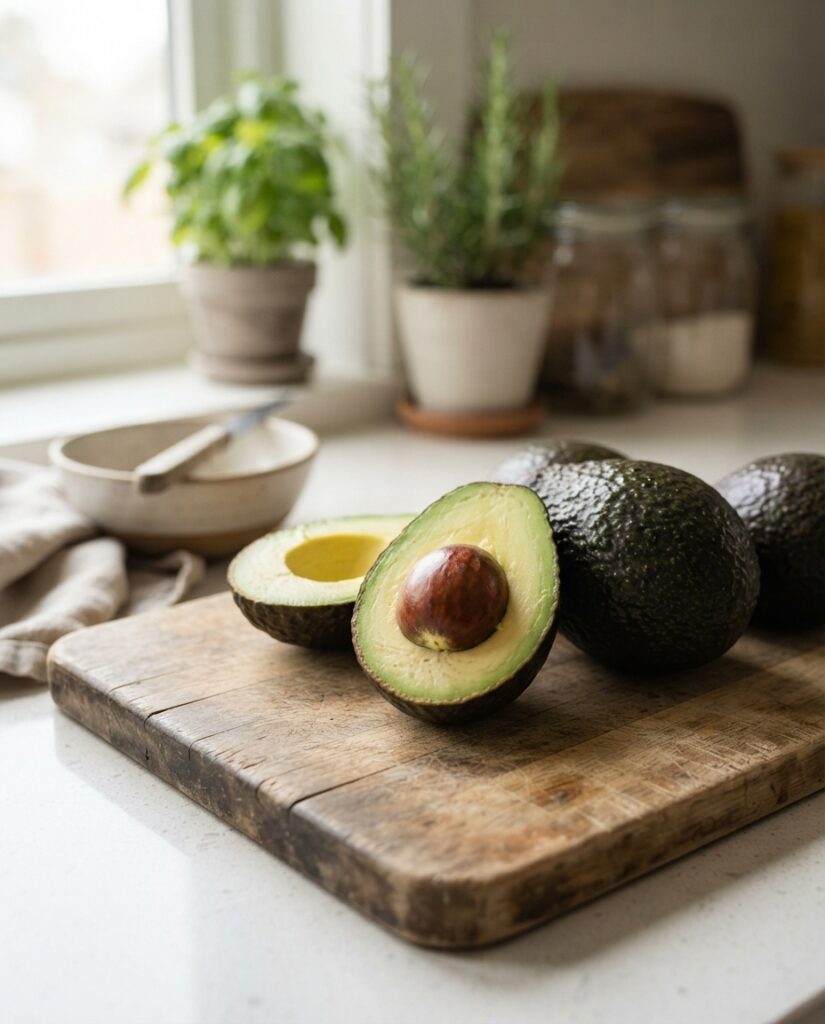
Avocado toast isn’t really a health trend anymore — it’s just breakfast for a lot of people. And unlike some of the hype around it, the daily habit is easy to explain honestly: eating an avocado, or part of one, most days can be a genuinely good choice for many people, with a couple of sensible caveats around portion size.
Jump to section
What You’re Actually Getting
Avocados are mostly known for monounsaturated fat, the same heart-friendly type found in olive oil. They also deliver fiber, potassium (more per serving than a banana), and a spread of vitamins, including K, E, and several of the Bs. Because it’s a whole, barely processed food, all of that comes in one satisfying, versatile package.
What a Daily Habit Realistically Does
The benefits are real, just not dramatic. The fat and fiber make avocado genuinely filling, which helps with appetite and steadier energy between meals. As part of an overall balanced diet, the monounsaturated fat may help support healthy cholesterol levels, particularly when it replaces less healthy saturated fat rather than sitting on top of it. The fat content also helps your body absorb the fat-soluble vitamins, A, D, E, and K, from whatever else is on your plate, which is why avocado works so well tossed into a salad.
None of this makes avocado a superfood that rewrites your health on its own. It’s a nutritious, whole-food fat that fits comfortably into a varied diet, nothing more mystical than that.
The Caveats Worth Knowing
- It’s calorie-dense. Most of an avocado’s calories come from fat, so portion matters. A half to a whole avocado a day works for most people, but if you’re watching calories, treat it as your fat serving for the meal rather than an extra on top of other rich food.
- Allergies happen, rarely. Avocado allergy is uncommon, but some people with a latex allergy react to it too, a cross-reactivity known as latex-fruit syndrome. If you’re latex-sensitive, be cautious.
- More isn’t automatically better. One avocado’s worth of healthy fat a day is plenty for most people.
Easy Ways to Actually Eat It
Sliced onto whole-grain toast, folded into a salad, blended into a smoothie for creaminess. Mashed with lime and a pinch of salt, it’s the dip I reach for when the fridge is suddenly full of vegetables that need eating before they turn. Pairing it with fiber-rich, colorful food is what makes the most of its nutrient-absorbing effect, that’s really the whole trick.
The Bottom Line
Eating an avocado every day can be part of a genuinely healthy diet, thanks to the heart-friendly fat, fiber, potassium, and vitamins. Portion is the main thing to watch, since avocados are calorie-dense. If you have specific dietary goals, a food allergy, or a health condition, it’s worth checking with your doctor or a registered dietitian about how avocado fits your plate.
This article is for general information only and is not medical advice. If you have a health condition, take medication, or have concerns, please consult a qualified healthcare professional. See our medical disclaimer.