2-Ingredient Face Masks That Are Actually Gentle
Some of the most-loved skincare advice comes from a grandmother's kitchen: just two simple ingredients, mixed in a bowl, for soft and radiant skin. There…

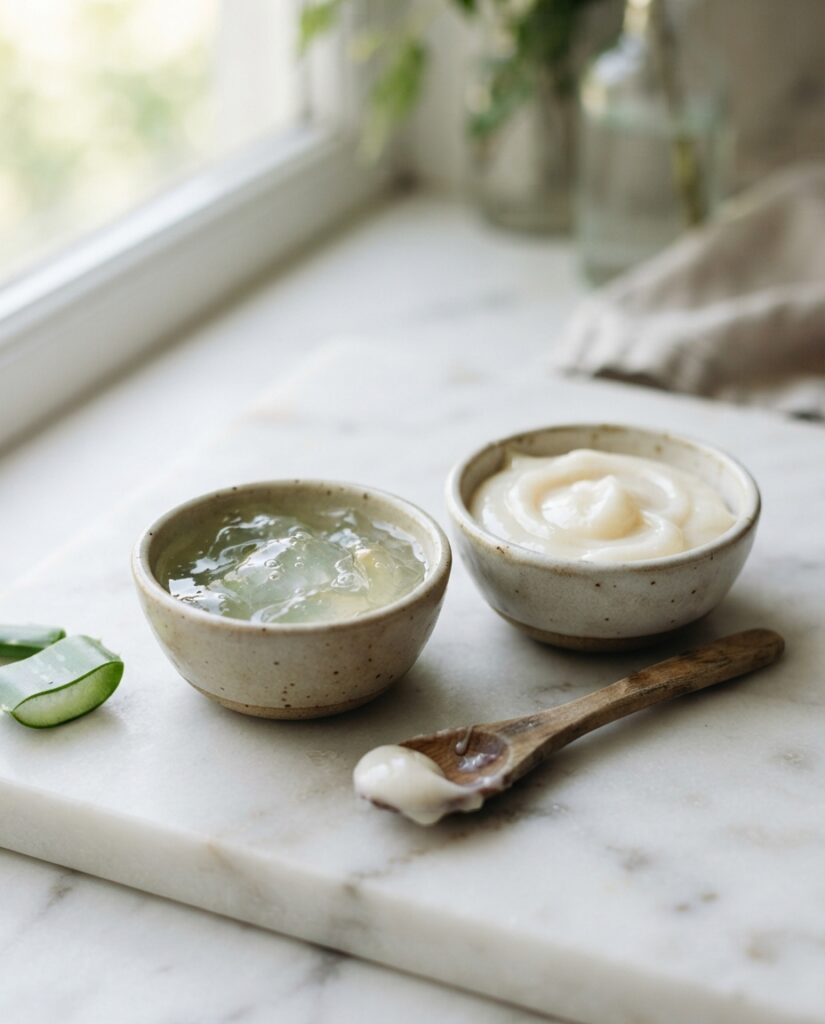
Some of my favorite skincare advice came straight from my grandmother’s kitchen: honey and whatever else was on hand, mixed in a bowl. Two ingredients, five minutes, done. It’s genuinely good advice, too, a two-ingredient mask really can leave skin looking soft and a little brighter for a while. It just won’t do what some of the more excitable posts about it promise, and a couple of the ‘natural’ ingredients people reach for don’t belong on a face at all.
Jump to section
What a two-ingredient mask can actually do
These masks are cheap, fast, and have no ingredient list to squint at. When you pick kind ingredients, they hydrate and soothe, and skin can look fresh and comfortable for a little while afterward. That glow is real. What it isn’t is permanent, and it’s not a reason to retire your skincare routine, a mask is a nice extra, not a replacement for anything.
Pairings worth actually trying
Stick to calming, hydrating combinations:
- Honey and plain yogurt. Honey pulls in moisture, the yogurt feels cool and soft going on.
- Honey and finely ground oats. Classic, soothing, good if your skin’s a little irritated.
- Plain yogurt on its own, if you want the simplest version there is.
Thin layer on clean skin, ten to fifteen minutes, rinse with lukewarm water, moisturizer after.
What to leave out of the bowl
This is where the old recipes go wrong. A few pantry staples are just too harsh for a face:
- Lemon juice is highly acidic and can make skin react badly to sunlight, sometimes burning it or making dark spots worse, not better.
- Baking soda is strongly alkaline. It strips the skin’s protective barrier and leaves it dry and irritated.
- Undiluted vinegar is acidic enough to sting and damage the barrier too.
Natural doesn’t automatically mean gentle. The homemade masks worth trusting stay soft and soothing, not acidic or gritty.
Common mistakes with DIY masks
Leaving a mask on far longer than the ten or fifteen minutes it needs, thinking more time means more benefit, usually just dries skin out instead. Layering it on top of retinol, exfoliating acids, or right after a fresh shave or wax is another one, skin is already more reactive then and a mask, even a gentle one, can sting or irritate. Reusing a bowl of yogurt-based mask you mixed a few days ago is worth avoiding too, dairy mixtures don’t keep well at room temperature and can grow bacteria; mix a fresh batch each time, right before you use it. Applying it to skin that’s already broken out, sunburned, or freshly waxed is worth skipping too, wait until it’s calmer.
How often is actually useful
Once or twice a week is the sweet spot for most skin. Masking daily, even with something as mild as honey and yogurt, can tip into over-cleansing territory and leave the skin barrier worse off, the same barrier your moisturizer and sunscreen are trying to protect. A mask is a nice weekly touch-up, not a daily ritual, and skin generally looks better long-term when it’s left to do its own thing most days.
Reading ingredient lists with a little skepticism
A lot of what circulates online about home masks leans on the word “natural” as if it automatically means safe or gentle, which it doesn’t, poison ivy is natural too. The honest question for anything you’re about to put on your face isn’t where it came from, it’s what it actually does to skin at that concentration. Honey and yogurt pass that test. Lemon juice and baking soda don’t, no matter how often they show up in the same posts.
What actually keeps skin looking good
A nice mask is a nice extra. Skin that looks good long-term comes from the boring stuff done consistently. Patch-test anything new on your inner arm first, especially if you’ve got sensitive skin. Then let the basics carry it: gentle daily cleansing, regular moisturizer, and sunscreen above all, it protects tone and texture more than any mask ever will. Consistency is the ingredient nobody wants to hear about, and it’s the one that actually shows up.
If your skin stays persistently dry, reactive, or breaks out, a dermatologist will help more than another DIY bowl. I still make the honey-and-yogurt version most weekends. I just keep the lemon and baking soda in the kitchen where they belong, for cooking and cleaning, not my face.
This article is for general information only and is not medical advice. If you have a health condition, take medication, or have concerns, please consult a qualified healthcare professional. See our medical disclaimer.