The Onion Peel and Clove Rinse I Actually Use
Onion peels are one of the most common things we throw away, yet they have a long history in traditional home hair care. Paired with whole cloves, they…

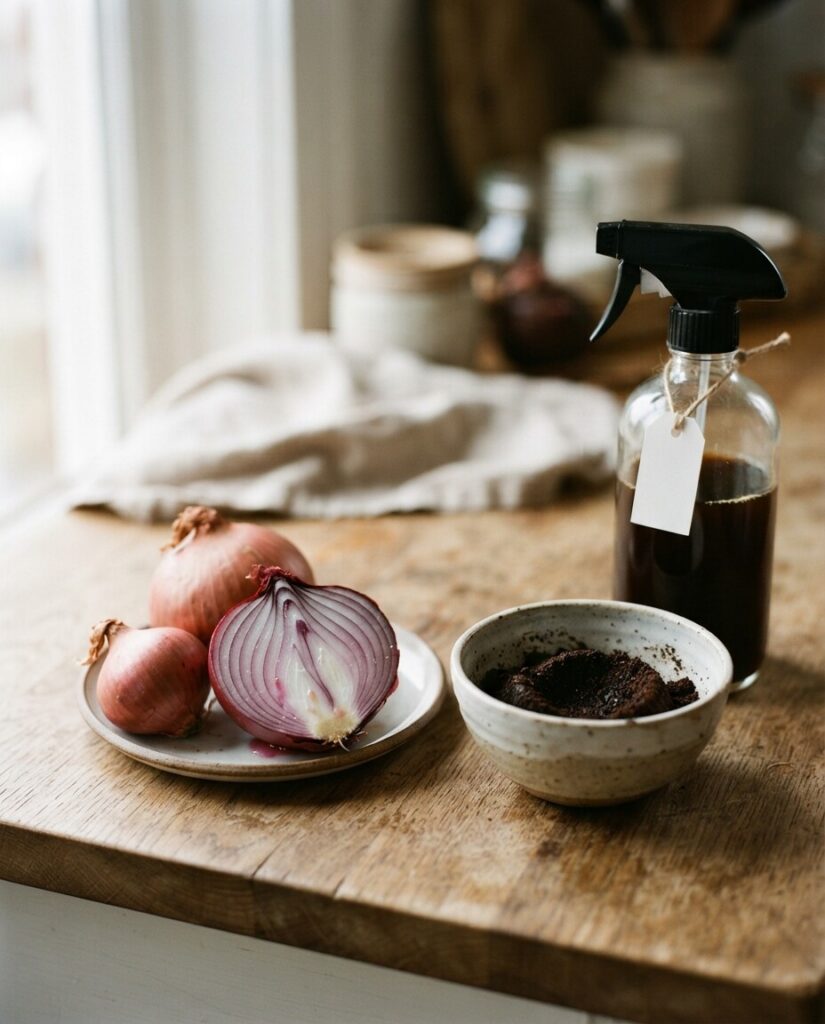
I used to toss onion skins straight in the compost until my grandmother caught me doing it and told me I was throwing away the best part. She kept hers in a jar under the sink for a hair rinse, and I thought she was joking until I actually tried it myself.
Jump to section
Onion peels and whole cloves make a strong-smelling, amber rinse that people have used on hair for a long time. It won’t fix hair loss and it isn’t medicine, but as a cheap way to add some shine and a good scalp massage to your routine, it’s genuinely worth trying, and you probably already have both ingredients in your kitchen.
What’s actually in the peel
Onion, skin included, is a decent source of sulfur compounds and antioxidants. Sulfur gets talked about a lot in relation to hair structure, and the antioxidants may help protect strands from the usual daily wear: sun, wind, heat styling. Cloves bring eugenol, the same compound that gives them that warm, almost dental-office smell, plus whatever comfort a hot, spiced scent brings to a rinse.
Together they smell like mulled cider left too long on the stove, not unpleasant, just strong. I’d treat it as a nice ritual for your scalp, not a guaranteed fix for thinning hair.
The basic rinse
This is the version I make most often.
You’ll need:
- Peels from 2 large onions
- 1 tablespoon whole cloves
- 3 cups water
How to make it:
- Add the onion peels and cloves to the water and bring to a gentle boil.
- Simmer for 10 to 15 minutes, until the water turns a deep brownish color.
- Remove from the heat and let it cool completely, then strain out the solids.
- After shampooing, pour the rinse slowly over your hair and scalp.
- Leave it on for 5 to 10 minutes, then rinse with cool water.
I do this once or twice a week. The smell fades once your hair dries, but a splash of cool water and your regular conditioner afterward speeds that along — skip the conditioner and you’ll be catching whiffs of onion until bedtime.
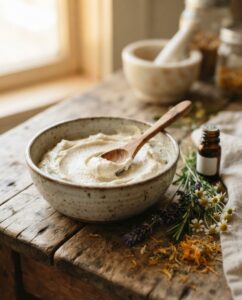
A thicker mask, for when you want more of a treatment
You’ll need:
- 1 tablespoon onion peel powder (dried peels blended fine)
- 1 teaspoon clove powder
- 2 tablespoons coconut oil
- 1 tablespoon aloe vera gel
How to use it:
- Mix everything into a smooth paste.
- Massage gently into the scalp and work through the hair.
- Leave on for 30 to 45 minutes.
- Wash out with a mild shampoo. Use up to once a week.
An overnight oil, if you’re patient
You’ll need:
- Half a cup of coconut or castor oil
- Peels from 1 large onion
- 1 tablespoon cloves
How to make it:
- Warm the oil in a pan over low heat and add the peels and cloves.
- Let it infuse gently for about 10 minutes, then remove from the heat and cool.
- Strain and store the oil in a clean bottle.
- Massage a small amount into the scalp and leave for at least 2 hours, or overnight, before washing.
Before you put anything on your scalp
- Patch test first. Dab a little of the cooled rinse or oil on your inner arm and wait 24 hours before using it on your scalp.
- Keep it out of your eyes, and rinse well if any gets in.
- Refrigerate leftovers and use within a few days. There’s nothing in here to preserve it.
- Give it weeks, not days. Any change shows up gradually, if it shows up at all.
What I’d honestly expect
This is a gentle, traditional treatment, not a transformation. Used consistently, some people notice softer, shinier hair and a scalp that feels less tight. Other people notice nothing much, and that’s normal too, hair responds differently from one person to the next. I keep doing it because I like the ritual and my hair feels good after, not because I think it’s regrowing anything. Pair it with the basics that actually move the needle: gentle washing, eating reasonably well, and going easier on the heat tools.
A couple of things people ask
Will this make my hair grow faster?
No guarantee. It’s a traditional remedy for the look and feel of hair, not a proven growth treatment.
How do I get rid of the onion smell?
Rinse well with cool water and follow with your regular conditioner. It fades as your hair dries.
Disclaimer: This article is for general information only and is not medical advice. Natural ingredients can still cause irritation or allergic reactions in some people, so always patch test first and stop use if irritation occurs. If you have a scalp condition or ongoing hair loss, consult a dermatologist.