Oregano: The Kitchen Herb With a Long History
Oregano is one of those herbs most of us reach for without thinking — a pinch over pizza, a spoonful in tomato sauce, a scattering across roasted…

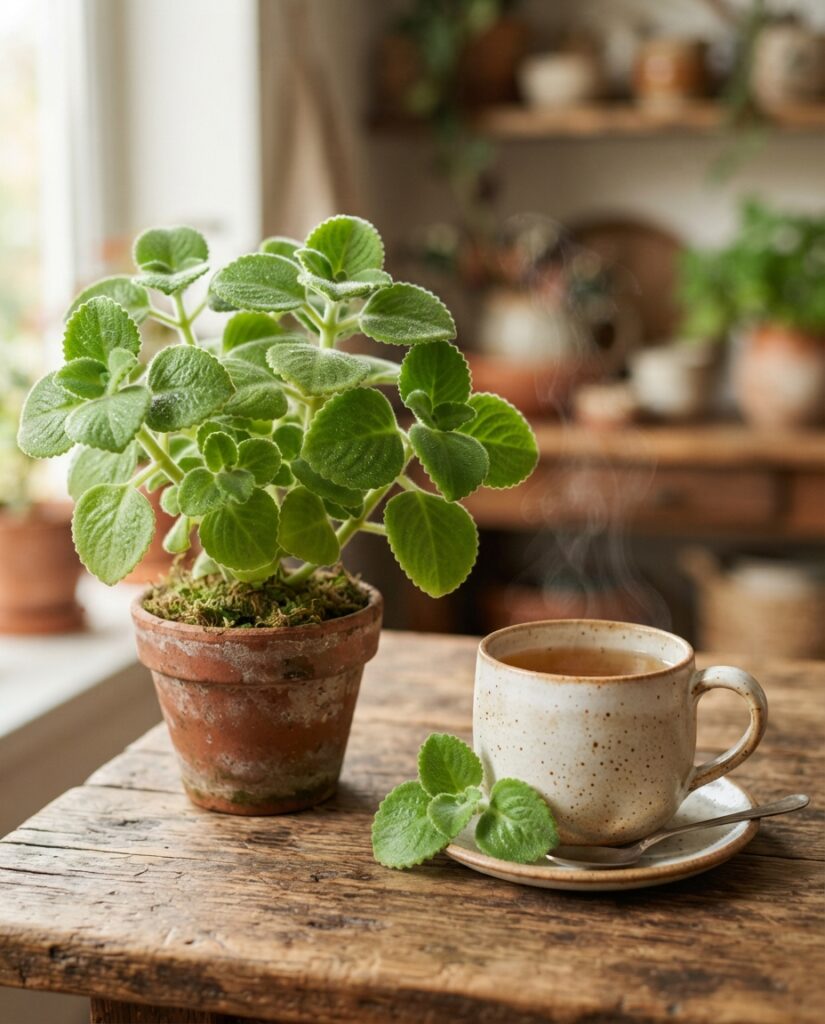
I go through oregano faster than any other dried herb in my cabinet: a pinch over pizza, a spoonful into tomato sauce, a scattering over roasted vegetables without a second thought. It also carries a long reputation in traditional medicine, stretching back centuries. It’s worth looking at both honestly: what oregano actually gives you as a food, and what the research does and doesn’t back up.
Jump to section
A quiet staple in the kitchen
Common oregano (Origanum vulgare) anchors a lot of Mediterranean and Middle Eastern cooking. Its warm, slightly peppery, faintly bitter flavor comes from aromatic oils in the leaves, which is why the dried stuff is usually more intense than fresh, not less. It pairs naturally with tomatoes, beans, grilled meat, and vegetables. A little goes a long way; over-pour it and the bitterness takes over fast.
A long history in traditional remedies
For centuries, cultures across the Mediterranean and beyond have used oregano leaves and infusions in folk medicine: a warming tea, a digestive aid, and more. This history is genuinely interesting, and it’s part of the herb’s story. It’s also tradition and anecdote, not clinical proof, and it’s smart to keep those two things separate in your head.
What modern evidence actually suggests
Oregano contains aromatic compounds, most notably carvacrol and thymol. In lab studies, these show antimicrobial and antioxidant activity, which is part of why the herb draws scientific interest. The catch: test-tube and animal results don’t automatically carry over to a human body, and the concentrations used in research run far higher than anything you’d get sprinkling oregano on dinner. In normal cooking amounts, oregano is best understood as a flavorful food that adds a small amount of antioxidant value, not a treatment for anything. There isn’t much solid clinical evidence in humans yet.
A word of caution on the essential oil
Oregano essential oil is a different animal from the dried herb: a highly concentrated extract. It needs proper dilution before it touches skin; undiluted, it can irritate skin and mucous membranes. Taking it internally isn’t something to do casually, and it’s best avoided during pregnancy and by anyone with certain health conditions or on medication, unless a healthcare professional says otherwise. Natural doesn’t mean harmless at any dose.
Getting the most flavor out of it
Dried oregano wants heat and time to open up, add it early in a sauce or braise so its oils have a chance to release into the fat and liquid. Fresh oregano is the opposite, its flavor fades under heat, so it goes in at the end, torn over a finished dish rather than cooked into it. Either way, rubbing dried leaves between your fingers before they go into the pot wakes up more of the oil than dropping them straight from the jar. As a rough swap: one tablespoon of fresh roughly equals one teaspoon of dried, since drying concentrates the flavor. Greek and Mediterranean varieties tend to run more pungent than the milder Mexican oregano sold in some markets, which is actually a different plant altogether and pairs better with chili and cumin than with tomato sauce.
Keeping it potent in the cabinet
Heat and light are what kill dried oregano’s flavor over time, not spoilage in the way fresh food spoils, which is exactly why the spot right next to the stove, however convenient, is actually one of the worst places to keep it. An airtight container in a cool, dark cabinet holds its punch far longer. As a rule of thumb, dried oregano is worth replacing after a year or two; if a pinch rubbed between your fingers barely smells like anything, it’s time for a new jar. Buying whole dried leaves instead of pre-ground also helps, whole leaves hold their oils longer and you can crush exactly what you need right before cooking.
Growing your own
Oregano is genuinely one of the easier herbs to keep alive, it likes full sun, doesn’t ask for much water once established, and actually tastes better in poorer, well-drained soil than in rich garden dirt. A single pot on a sunny windowsill or balcony will keep a household in fresh oregano most of the growing season, and what you don’t use fresh dries easily hung in small bunches somewhere warm and out of direct light.
Oregano earns its keep in the kitchen on flavor alone. I’d reach for it even if it did nothing else, and the traditional reputation is a nice bonus for the curious. Use it generously in your cooking, and just keep the essential oil in a separate mental category: potent, useful in the right hands, worth treating with some respect.
This article is for general information only and is not medical advice. If you have a health condition, take medication, or have concerns, please consult a qualified healthcare professional. See our medical disclaimer.