Alpiste (Canary Seed): A Nutrient-Dense Grain to Try
For most of the last century, alpiste — better known in English as canary seed — sat quietly in the pet aisle as birdfeed. Lately it has found a second…

For most of the last century, alpiste — better known in English as canary seed — sat quietly in the pet aisle as birdfeed. Lately it has found a second life in kitchens, where people blend it into a mild, creamy plant drink. So what changed, and is it worth a place in your pantry? Here is a level-headed look.
What Alpiste Actually Is
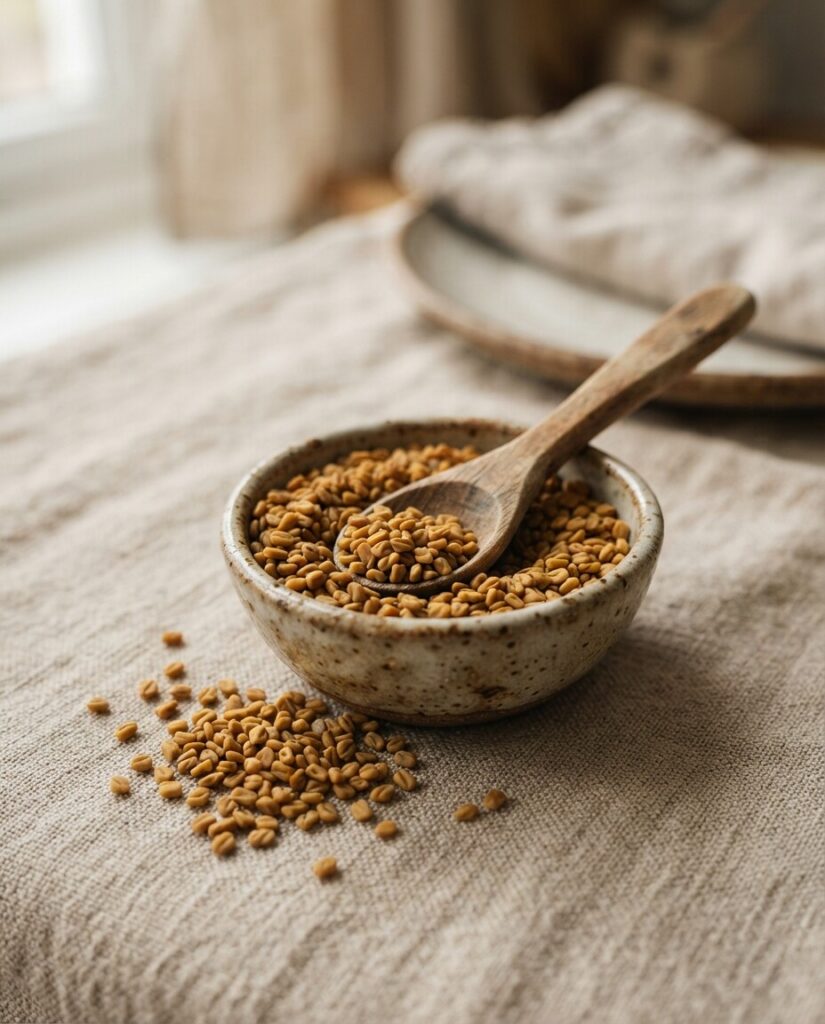
Alpiste (Phalaris canariensis) is a small, glossy grain from the same broad plant family as oats and wheat. Traditional birdseed varieties have tiny hair-like fibers that make them unsuitable for people. The version now sold for cooking is a smooth, hairless (glabrous) type developed specifically as a food-grade grain, which regulators in the United States and Canada recognized as safe for human consumption in the mid-2010s.
The key point: only food-grade alpiste labeled for people belongs in the kitchen. Regular birdseed is not a substitute.
A Look at the Nutrition
What draws attention is the grain’s nutrient density. Food-grade alpiste is a source of:
- Plant protein — notably higher than many common cereal grains
- Dietary fiber
- Unsaturated fats
- Minerals such as magnesium and phosphorus
- Some B-vitamins and vitamin E
That combination of protein and fiber is genuinely useful, and it is the most solid, down-to-earth reason to be curious about alpiste. It naturally contains no gluten, so it can suit people avoiding it — though anyone with a serious sensitivity should check labels for cross-contamination.
What the Research Does and Doesn’t Say
You will see alpiste described online in glowing, almost medicinal terms. It is worth being honest here: much of the promising work so far has been done in laboratories or in animal studies, not in large human trials. Early research has explored the grain’s proteins and antioxidants, but that is a long way from proof that a daily glass changes anyone’s health outcomes.
A fair summary is this: alpiste is a nutritious whole grain with interesting compounds that scientists are still studying. It is best thought of as a wholesome food to enjoy, not a remedy. Treat any dramatic claim you read with healthy skepticism.
How People Enjoy It: Alpiste Milk
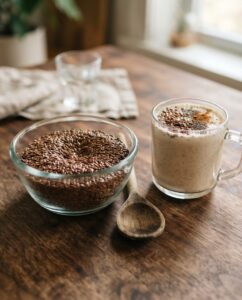
The most popular way to use alpiste is as a mild, creamy plant drink often called leche de alpiste. It takes only a few minutes of hands-on time.
- Rinse ¼ cup (about 30 g) of food-grade hairless alpiste seeds.
- Soak them in clean water overnight, or for at least 8 hours.
- Drain and rinse again, then blend with about 1 liter of fresh water for a minute or two until creamy.
- Strain through a fine mesh or cheesecloth for a smoother texture.
- Add a pinch of cinnamon or a little vanilla if you like.
- Keep it chilled and use within about three days; shake before pouring.
Many people enjoy a glass in the morning. If you are new to it, start with a small amount and see how it agrees with you.
Other Easy Ways to Use It
- Blend soaked seeds into a smoothie for extra protein
- Use alpiste flour in pancakes or gluten-free baking
- Toast the seeds lightly and scatter over yogurt or a salad
- Stir into oatmeal or a homemade snack bar
Sensible Expectations
If you try alpiste, treat it the way you would any nourishing addition — as one small habit inside a balanced diet, not a stand-alone answer. Consistency and overall eating patterns matter far more than any single ingredient.
Frequently Asked Questions
Is alpiste safe for everyone?
Food-grade hairless alpiste is generally well tolerated. Never use ordinary birdseed. If you have grass allergies, are pregnant or nursing, or manage a health condition, check with your healthcare provider first.
Is it really gluten-free?
Pure alpiste contains no gluten, but processing can introduce cross-contamination, so read labels carefully if that matters to you.
How much should I have?
There is no official serving size. Many people start with one small glass of alpiste milk a day and adjust to taste.
A quick note: This article is for general information only and is not medical advice, and it is not intended to diagnose, treat, or prevent any condition. Speak with a qualified healthcare provider before making significant changes to your diet, especially if you are pregnant, nursing, take medication, or have a health condition.
Wellness note: This article is for general information only and is not medical advice or a substitute for professional diagnosis or treatment. Natural foods and ingredients can cause reactions or interact with medications. Consult a qualified healthcare professional before making changes — especially if you are pregnant, take medication, or have a health condition. Seek prompt medical care for severe, worsening, or persistent symptoms.
The information on Kepoli is provided for general informational purposes only and is not professional medical, health, nutritional, or safety advice. Always use your own judgment and consult a qualified professional before acting on it.