Black Seed: What the Evidence Actually Shows
Scroll through wellness posts for long enough and you will meet a bold promise: a tiny black seed said to help with more than 200 diseases. The seed in…

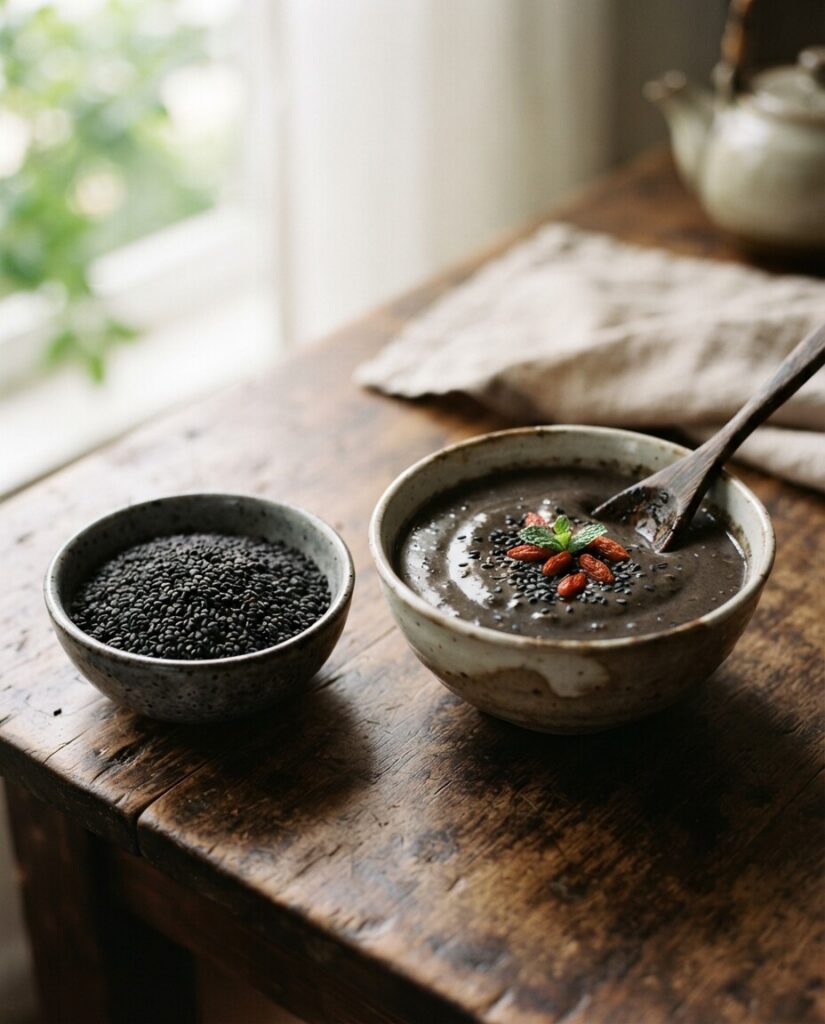
Black seed gets credited with helping over 200 diseases. It doesn’t, not in any way a doctor would recognize as “helping.” The seed in question is Nigella sativa (also called black cumin or kalonji), and it has a long, respected history in Middle Eastern, South Asian, and East Asian kitchens and traditional practices. Modern researchers have taken a real interest in it too. The honest version sits somewhere between the 200-disease claim and total dismissal, and it’s worth knowing the difference before you start sprinkling it on your porridge, the way I do most mornings.
Jump to section
What’s Actually in the Seed
Black seeds carry a range of plant compounds, and one in particular keeps showing up in the research: thymoquinone. In lab studies it shows antioxidant and anti-inflammatory activity, which is why so much of the early research circles back to it. The seeds also hold aromatic oils that give them their bitter, nutty flavor. Honestly, that flavor alone is reason enough for me to cook with them.
Where the Evidence Actually Lands
A handful of studies, including some that pool several trials together, point to modest effects in specific areas. Read all of this as may support, not treats or cures:
- Blood sugar: some trials suggest black seed powder or oil may modestly support healthy blood sugar levels as an add-on, not a replacement for prescribed care.
- Cholesterol and blood pressure: a few studies report small, favorable shifts in lipid readings, though the effect is gentle next to medication.
- Inflammation: several trials note reductions in certain inflammation markers here, and this finding holds up more consistently than the others on this list.
- Breathing comfort: some research on seasonal airway sensitivity suggests black seed oil may ease things a little.
None of this supports the idea that black seed fixes hundreds of conditions or stands in for medical treatment. A lot of the most dramatic findings are still preclinical, done in labs or in animals, and that doesn’t automatically translate to a person eating a spoonful with breakfast.
How I Actually Use It
- Freshly ground: toast whole seeds lightly in a dry pan for a couple of minutes (you’ll know they’re ready when the kitchen smells faintly like oregano and black pepper), then let them cool and grind. Keep the heat low; high heat degrades the delicate compounds.
- As a garnish: stir a small spoonful of ground seeds into warm oatmeal, rice porridge, or yogurt.
- With honey: a traditional blend mixes ground black seed into raw honey into a simple paste, taken by the spoonful.
- As an oil: cold-pressed black seed oil is concentrated, so a little goes a long way.
For everyday cooking, half a teaspoon to a teaspoon of ground seed is a typical, sensible amount. There’s no reason to chase a big therapeutic dose; it just raises your odds of side effects without adding much benefit.
Where Caution Actually Matters
As a kitchen spice, black seed has a long track record of safe use. Concentrated supplements and oils are a different matter, and some people need to be genuinely careful:
- Pregnancy and breastfeeding: avoid concentrated doses. Safety data is limited.
- Blood-thinning or blood-pressure medication: black seed may add to those effects, so this needs monitoring and a doctor’s input.
- Diabetes medication: since it may nudge blood sugar, keep a closer eye on your levels.
- Before surgery: many clinicians recommend pausing concentrated black seed beforehand, since it may affect bleeding.
Higher doses can cause mild stomach upset, nausea, or occasionally a skin reaction. If you notice dizziness, a rash, or bruising you can’t explain, stop and check with a professional.
The Short Version
Black seed is a real plant with genuinely studied compounds, and it’s a good addition to your cooking on flavor alone. Treat it as a supportive ingredient, not a shortcut past medical care. The sweeping “cures everything” claims flatten how complicated real conditions are, and they can talk people into delaying treatment they actually need.
A Couple of Direct Answers
Can it replace my medication? No. At best the research points to gentle, supportive effects. Never stop or change a prescription without talking to your doctor.
How much is normal in food? Around half a teaspoon to a teaspoon of ground seed as a garnish. Oils are stronger, so use them sparingly.
Is it safe for everyone? No. Pregnant or breastfeeding people, anyone on certain medications, and anyone facing surgery should be cautious and ask a professional first.
This article is for general information only and is not medical advice. Talk with a qualified healthcare professional before adding concentrated herbal products to your routine, especially if you have a health condition or take medication.
Wellness note: This article is for general information only and is not medical advice or a substitute for professional diagnosis or treatment. Natural foods and ingredients can cause reactions or interact with medications. Consult a qualified healthcare professional before making changes — especially if you are pregnant, take medication, or have a health condition. Seek prompt medical care for severe, worsening, or persistent symptoms.