Simple Home Pickling, Step by Step
Simple home pickling step by step: how a brine works, a reliable water, vinegar, salt and sugar ratio, what to pickle, and how long fridge pickles keep.

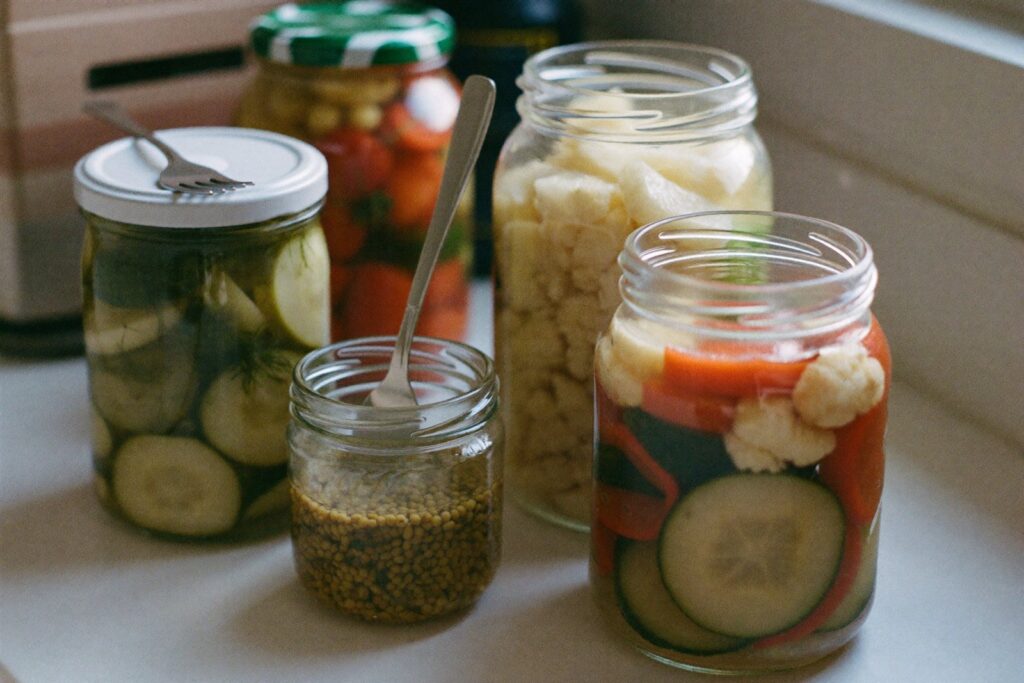
For three summers, a neighbor with an overgenerous garden left cucumbers on my step faster than I could eat them, and I ruined a good many before I got the hang of saving them. My worst batch came out so salty I couldn’t finish a single slice; I’d been shaking salt into the brine the way I season a pot of soup, by eye and by mood. Pickling, I finally learned, is one of the few things I cook where you measure like you mean it, because the brine here isn’t a background note, it’s the whole dish. Once I started leveling the salt against the water and the vinegar instead of guessing, quick pickles stopped being a gamble and became the easiest way I know to rescue a pile of vegetables before it turns to compost.
Jump to section
How a pickle actually works
There are two broad roads to a jar of pickles. The old way is fermentation: just salt, vegetables, and time, with the sourness developing slowly on its own. The faster way, the one I’ll walk through, is the vinegar brine, where acid does the souring and the flavor arrives in a day or two instead of a week. A vinegar brine is a simple balancing act. The vinegar makes everything sharp and tart, the salt seasons the vegetables, firms them, and pulls a little water out, and a touch of sugar rounds off the edges so the result tastes lively rather than harsh. Everything below is about quick refrigerator pickles and simple short-keep vinegar pickles: the kind that live in the cold and get eaten within a few weeks, not the shelf-stable jars that sit in a cupboard.
Clean equipment, and why it matters
You don’t need special gear, but a few things save trouble:
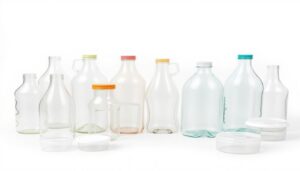
- Clean glass jars with tight lids. Wash them in hot, soapy water and rinse well right before you fill them. You don’t need to sterilize for pickles headed straight into the fridge.
- A non-reactive pot. Warm the brine in stainless steel or enamel, never bare aluminum or unlined cast iron, which react with vinegar and leave a metallic taste.
- Measuring cups and spoons. This is the one job where I actually reach for them instead of guessing.
The brine ratio I keep coming back to
Here’s the starting point I trust, easy to remember and easy to scale: one cup water, one cup vinegar, one tablespoon salt, one tablespoon sugar. That fills a jar or two; double or triple it as you need. A few notes on each part:
- Vinegar should be at least 5% acidity, which most bottles state on the label. Plain distilled white gives the cleanest, sharpest result; apple cider is mellower and a touch fruity. I stay at 5% and don’t dilute below the ratio, because the acid is doing real work.
- Salt matters more than people expect. Use pickling salt or plain kosher salt with no additives. Iodized table salt and the anti-caking agents in some salts can cloud the brine and leave an off taste.
- Sugar is there for balance, not to make sweet pickles. A tablespoon per cup keeps things tart-but-round; leave it out if you like them bracingly sharp.
- Water is just water, though if yours is heavily chlorinated, filtered tastes cleaner in the jar.
Warm brine or cold?
This is exactly where I used to go wrong. I’d tip boiling brine straight over thin cucumber coins and then wonder why they came out limp and sad. Heat is what softens them. So now I warm the brine only enough to dissolve the salt and sugar, then let it cool for a few minutes before pouring it over anything delicate and thin-sliced. Sturdier vegetables like carrots and cauliflower don’t mind a warmer pour. When in doubt, cooler brine means crisper pickles.
What pickles well, and what doesn’t
Firm, crisp vegetables are the winners. The ones I reach for most:
- Cucumbers, ideally the small, knobbly pickling kind, which stay far crisper than big watery salad cucumbers.
- Carrots, radishes, and red onion, which are almost foolproof and ready fast.
- Cauliflower, green beans, fennel, and bell peppers, all of which hold their bite nicely.
What I’ve learned to skip: soft, watery, or leafy things. Ripe tomatoes turn to mush, mushrooms go slippery, and tender greens collapse. If a vegetable is already soft when it’s raw, the brine won’t rescue it.
Flavorings that earn their place
The brine is the frame; the aromatics are the picture. A little goes a long way, so I add a small handful per jar:
- Garlic: a clove or two, smashed, for warmth (it can turn a harmless blue-green in acid, which is odd to see but not spoilage).
- Dill: fresh heads or fronds for the classic pickle smell, or dill seed for something more concentrated.
- Mustard seed: gentle heat and a faint pop between your teeth.
- Black peppercorns: whole, never ground, for slow warmth without clouding the brine.
- Bay leaf: one per jar, quietly savory in the background.
- Optional extras: a pinch of chili flakes, a few coriander seeds, or a strip of lemon peel.
The steps, start to finish
- Wash everything. Jars and lids in hot, soapy water, rinsed well.
- Prep the vegetables. Trim and cut them into even pieces (spears, coins, or florets) so they pickle at the same rate, and pack them into the jars snugly but not crushed.
- Tuck in the aromatics. Slide the garlic, dill, seeds, and bay in among the vegetables as you pack.
- Make the brine. Combine the water, vinegar, salt, and sugar in a non-reactive pot and warm it gently, stirring, just until the salt and sugar dissolve.
- Pour and settle. Cover the vegetables completely with brine, leaving about half an inch of headspace, then tap the jar to release trapped air bubbles.
- Cool, then chill. Let the jars come down to room temperature on the counter, then cap them and move them to the fridge.
- Wait. This is the hard part. The flavor needs time to soak in.
Timing and how long they keep
Different vegetables come into their own at different speeds. Thin red onion and radish are good in about an hour; most things hit their stride after 24 to 48 hours in the fridge; cucumber spears are usually best after a day or two.
Keep refrigerator pickles cold the entire time, and plan to eat them within about two to three weeks. They’re a fresh, short-keep pleasure rather than a pantry preserve.
A clear word on safety
Everything here is meant for refrigerator pickles and simple short-keep vinegar pickles that live in the cold. Keep your equipment clean, keep the jars chilled, and don’t stretch them past a few weeks. If you want pickles you can store at room temperature on a shelf, that’s a different craft, water-bath canning, and it needs a tested recipe from a reputable source, such as a national food-preservation or extension service, followed exactly, not a brine you improvised. I don’t cover canning here on purpose. And trust your senses as a backstop: if a jar smells off, looks cloudy and slimy, grows mold, or has a lid that has bulged, don’t taste it. Throw it out. None of this is medical advice; when something seems wrong, believe that over any chart.
Frequently asked questions
Do I need to boil the jars or process them like canning?
Not for refrigerator pickles. Jars washed well in hot, soapy water are fine when the pickles go straight into the fridge and get eaten within a few weeks. Boiling and processing belong to shelf-stable canning, which is a separate method with its own tested rules.
Why did my pickles turn out soft and limp?
Usually heat or age. Brine that’s too hot cooks delicate slices, so let it cool a little before pouring; and vegetables that were already a bit tired won’t crisp up, so start with the freshest, firmest ones you can find and cut them just before packing.
Can I reuse the leftover brine?
For a quick, casual second batch, yes, once, kept in the fridge, understanding that the brine weakens as it dilutes and won’t taste as sharp. I wouldn’t rely on used brine for anything I mean to keep, and I start fresh whenever I want a dependable result.