7 Foods You Should Never Store in the Fridge
Tomatoes, potatoes, onions, and four other everyday foods actually stay fresher on the counter — here's why the fridge can dull flavor and texture.

It’s an easy habit to fall into: anything that looks even a little perishable goes straight into the fridge. But cold storage isn’t universally better — for a handful of common foods, it actually speeds up the wrong kind of aging, dulls flavor, or wrecks texture. Here are seven items worth keeping on the counter or in the pantry instead.
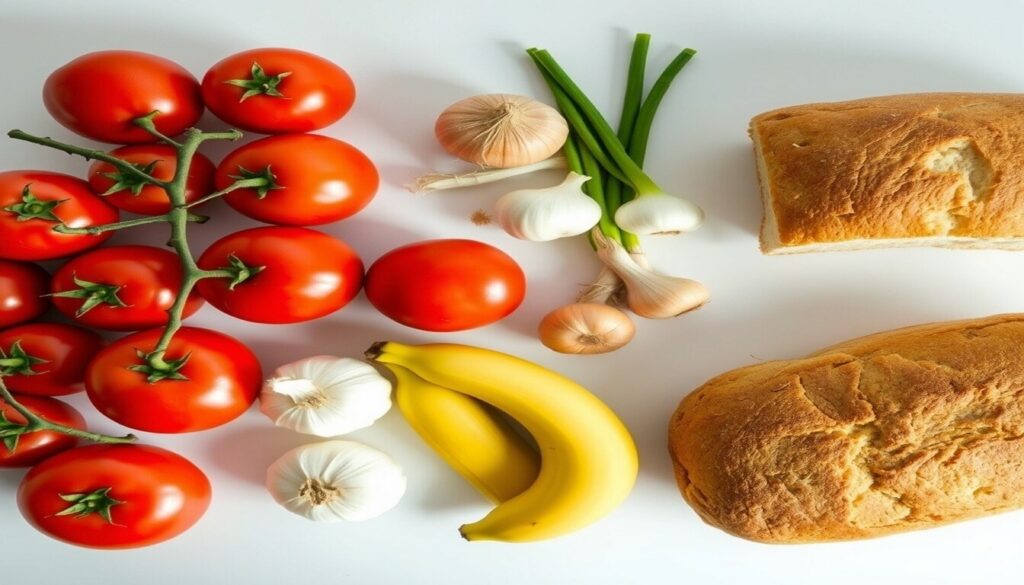
- Tomatoes. Cold temperatures halt the enzymes responsible for ripening and flavor development, which is why refrigerated tomatoes so often taste mealy and flat. Keep them on the counter, stem side down, out of direct sun, and they’ll stay flavorful longer.
- Potatoes. The cold converts some of a potato’s starch into sugar faster than usual, which can leave them tasting oddly sweet and turning darker than expected when cooked. A cool, dark, well-ventilated spot — like a pantry or cupboard — is a better home for them.
- Onions. Refrigerator humidity is the enemy here; it tends to make onions go soft and sometimes moldy well before they otherwise would. A dry, ventilated basket at room temperature keeps them firm for weeks.
- Garlic. Similar story to onions — cold, moist air can trigger sprouting and a rubbery texture. Garlic keeps best in a dry spot with some airflow, away from direct light.
- Bread. Counterintuitively, the fridge actually speeds up staling. The starches in bread recrystallize faster at cold (but not freezing) temperatures, so refrigerated bread often turns dry and firm sooner than bread left on the counter. If you need to store it long-term, the freezer is the better option.
- Honey. Honey is one of the few foods that’s essentially shelf-stable forever at room temperature. Put it in the fridge and it will crystallize into a thick, grainy mass much faster, making it a hassle to scoop or drizzle.
- Fresh basil. Basil is genuinely sensitive to cold — refrigerator temperatures can cause the leaves to blacken and turn slimy within a day or two. It does much better standing in a glass of water on the counter, like a small bouquet.
None of this means the fridge is doing anything wrong — it’s simply built for foods that need to stay cold, not everything that happens to be food. Rethinking where these seven items live is a small change, but it tends to mean less spoiled food and better flavor by the time you actually get around to using them.