What Your Car’s Recirculation Button Actually Does
Look closely at your climate controls and you will spot a small icon of a car with a curved arrow looping inside it. That is the air recirculation…

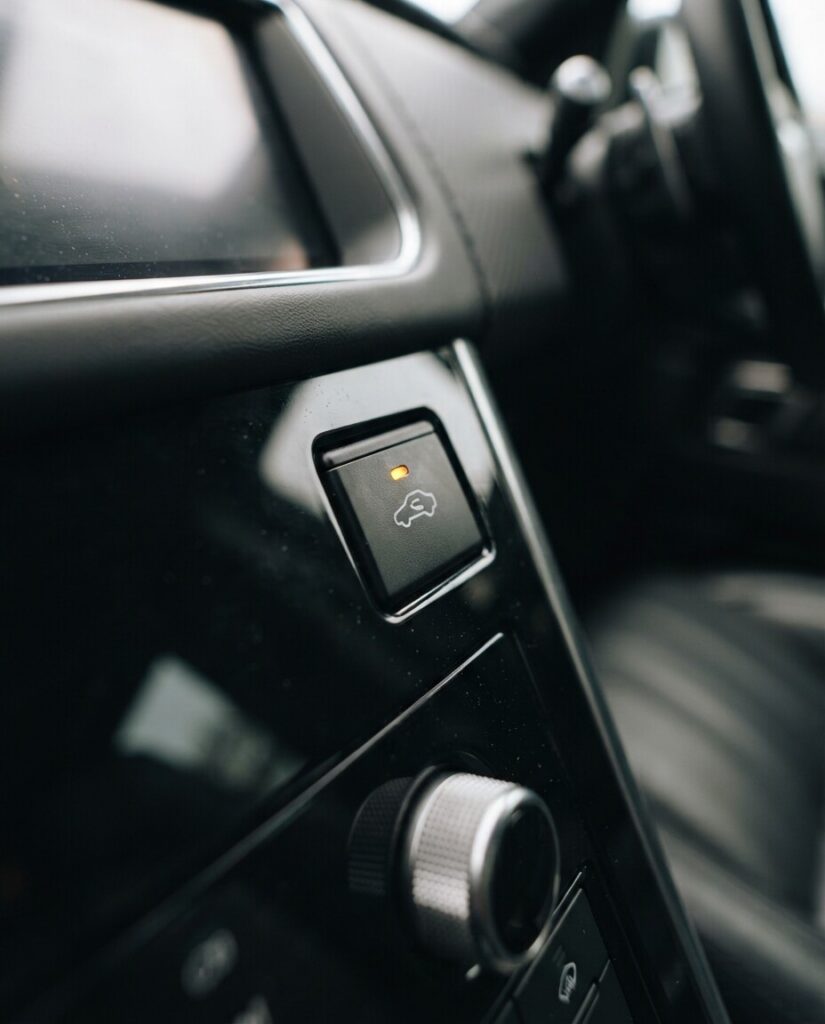
There’s a button on your dash with a little car-and-loop icon that most people never touch on purpose. I ignored mine for years. Then I drove behind a truck spewing diesel smoke on the highway with the windows sealed and the vents wide open, and about four seconds later I understood exactly what it’s for.
Jump to section
Two settings, doing two different jobs
Fresh air (recirculation off): the system pulls air from outside, through the cabin filter, into the car. It keeps things from feeling stale and helps clear window fog, but it also lets in whatever’s out there: exhaust, pollen, a farm you’re driving past.
Recirculation (on): a flap closes off the outside intake and the system just reuses the air already in the cabin. Since it’s re-cooling or re-heating air that’s already close to where you want it, the car gets comfortable faster. You can actually hear the blower change pitch slightly when it kicks in.
Neither one is the “right” setting. It’s a switch you’re supposed to flip depending on what’s outside the car, not something you set once and forget.
When I turn it on
- Scorching afternoons. Re-cooling cabin air that’s already cool beats fighting hundred-degree air from outside, so the AC compressor works less.
- Stuck in traffic, or behind anything smoking. Closing the intake keeps exhaust and diesel smoke from filling the cabin.
- Pollen season. Less airborne pollen gets pulled in through parks and open country.
- Passing a farm, a garbage truck, roadworks. Self-explanatory.
- Dust or wildfire smoke. Recirculation cuts down what makes it into the cabin.
The trick is timing: switch it on before you hit the smell or the heat, not after it’s already inside the car with you.
When I leave it off
- Cold or damp weather. Recirculated air holds onto moisture, and moisture fogs your windows fast. Fresh air keeps the glass clear.
- Long stretches on the highway. A car full of recirculated air gets stuffy, and stuffy makes you sleepy.
- A full car. More people breathing the same air means it goes stale quicker, so fresh air keeps everyone alert.
- Right after using an air freshener or cleaner. Let the smell actually leave the car instead of trapping it.
One safety note, plainly: don’t run recirculation continuously in cold or wet weather. Fogged windows are a visibility problem before anything else, and clear glass matters more than a warmer cabin.
A rough routine
- Start most drives with it off, so fresh air moves through for the first few minutes.
- Switch on when you actually need it: heat, traffic, pollen, smoke.
- Flip back to fresh air after fifteen or twenty minutes, or once you’re past whatever triggered it.
- In cold or humid weather, default to fresh air so the windows don’t fog.
The part nobody thinks about: the filter
Recirculation is only as good as your cabin air filter. A clogged one weakens airflow, lets more dust through, and can leave a musty smell that people blame on the car instead of the filter. Most manufacturers suggest swapping it every 12,000 to 15,000 miles, roughly once a year. It’s cheap, and on plenty of cars it’s a five-minute job behind the glovebox — I finally checked mine after three years of ignoring it and found something that looked like a small hedge trimming.
A few things people ask
Does it actually save fuel?
A little, on hot days. The AC isn’t working as hard against already-cool air. Modest, but real.
Why do my windows fog with it on?
It’s holding onto moisture from your breath and damp coats. Switch to fresh air or hit the defrost and it clears fast.
Can I just leave it on all the time?
Better not to. Rotate back to fresh air or you’ll end up with a stuffy car and foggy glass at the worst moment.
It’s a small button, but knowing when to press it is one of those tiny things that makes a drive noticeably more comfortable.