Chia, Flax, and Pumpkin Seeds for Breakfast
Nature provides an incredible variety of nutrient-rich foods that can help nourish the body from head to toe. Among these nutritional powerhouses, seeds…

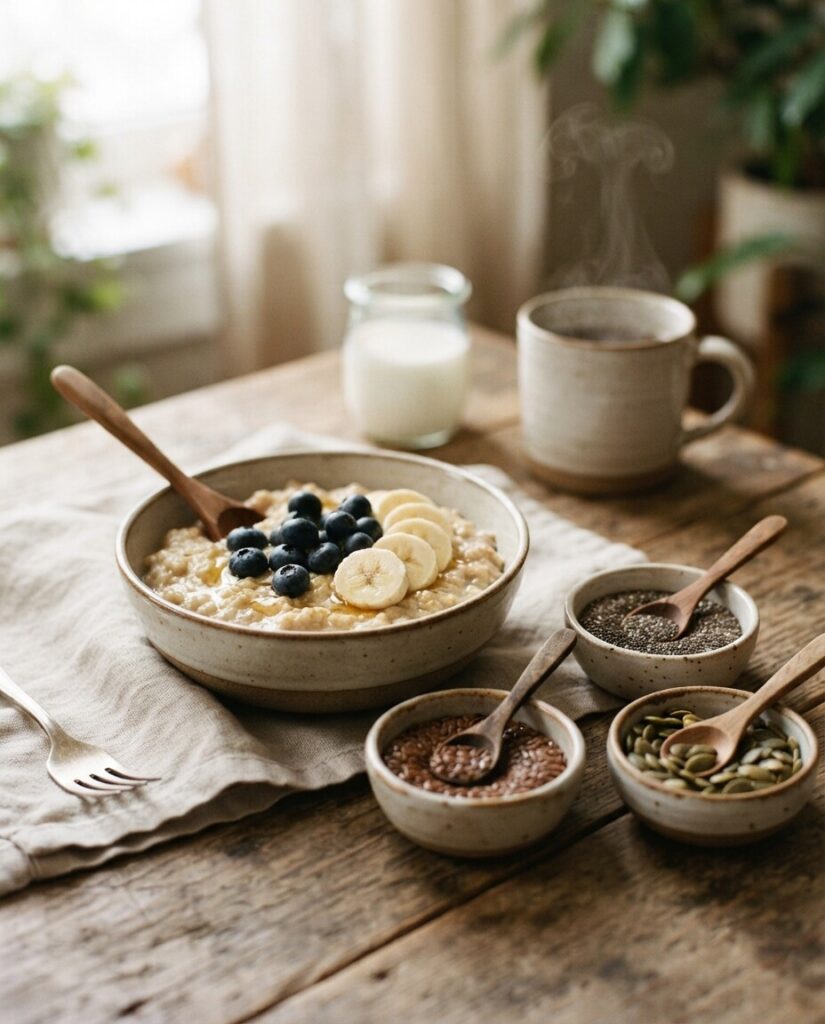
My oatmeal has had the same three toppings for about two years now: a spoon of chia, a spoon of ground flax, a scatter of pumpkin seeds. Not because a doctor told me to. They’re what I had on hand one morning when I ran out of brown sugar, and I just kept doing it. Turns out there’s a decent nutritional case for the habit too.
Jump to section
What Each One Actually Brings
Chia seeds are small, mostly flavorless, and swell up in liquid — stir them into yogurt and they thicken it in about ten minutes. They’re a genuinely rich plant source of omega-3 fatty acids, along with fiber, protein, and minerals like magnesium and calcium.
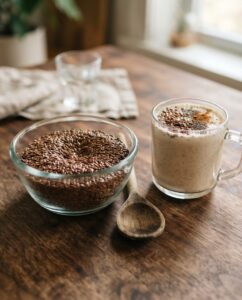
Flaxseed is similar on the omega-3 front, but its standout is lignans, plant compounds with antioxidant properties that flax carries in unusually high amounts. Buy it ground, or grind it yourself; whole flaxseeds mostly pass through undigested.
Pumpkin seeds, pepitas if you want the fancier word, are the odd one out: less about omega-3, more about zinc, along with magnesium, iron, and a solid dose of protein for something you can eat by the handful.
The Brain and Eye Connection, With the Caveat Up Front
Here’s the honest part: no seed sharpens your focus in one sitting, and nothing here has been shown to prevent vision loss. What the research actually supports is smaller and slower. Omega-3 fats, the kind chia and flax provide, are structural components of brain cells and have been linked in studies to memory and cognitive performance over the long term, meaning months and years of regular intake, not a single bowl. Zinc, which pumpkin seeds carry generously, is involved in retinal function, and diets low in zinc are associated with worse eye health outcomes. That’s a case for not being deficient, not a case for eating this and seeing better by lunch.
A Simple Mix, If You Want One
What I actually keep in a jar on the counter:
- 1 tablespoon chia seeds
- 1 tablespoon ground flaxseed
- 1 tablespoon pumpkin seeds
Shaken together, it goes on oatmeal, into smoothies, over yogurt, or scattered on a salad. It won’t taste like much of anything, which is honestly the point. You can add it to whatever you’re already eating without changing the flavor.
A Couple of Things Worth Knowing
Grind your flax, or at least crack it. Whole seeds are hard to digest and you’ll mostly just get the fiber, not the omega-3s. And more isn’t better here: a tablespoon or two a day is plenty. Seeds are calorie-dense, and piling on a quarter-cup because it’s healthy adds up fast without adding much benefit.
FAQ
Can I eat these every day? Most healthy adults can, in the amounts above.
Which one matters most? They cover different ground: flax and chia for omega-3s, pumpkin for zinc. That’s the actual argument for using all three instead of picking a favorite.
Should flaxseed be ground? Yes. Whole seeds mostly pass through without being absorbed.
Wellness note: This article is for general information only and is not medical advice or a substitute for professional diagnosis or treatment. Natural ingredients can cause irritation, allergic reactions, or interact with medications. Patch-test anything applied to skin, and consult a qualified healthcare professional before trying a remedy — especially if you are pregnant, take medication, or have a health condition. Seek prompt medical care for severe, worsening, or persistent symptoms.