10 Mistakes to Avoid When You Cook With Garlic
Garlic has been a kitchen staple and folk favorite for centuries, and plenty of people enjoy adding it to their cooking every day. To get the most flavor…

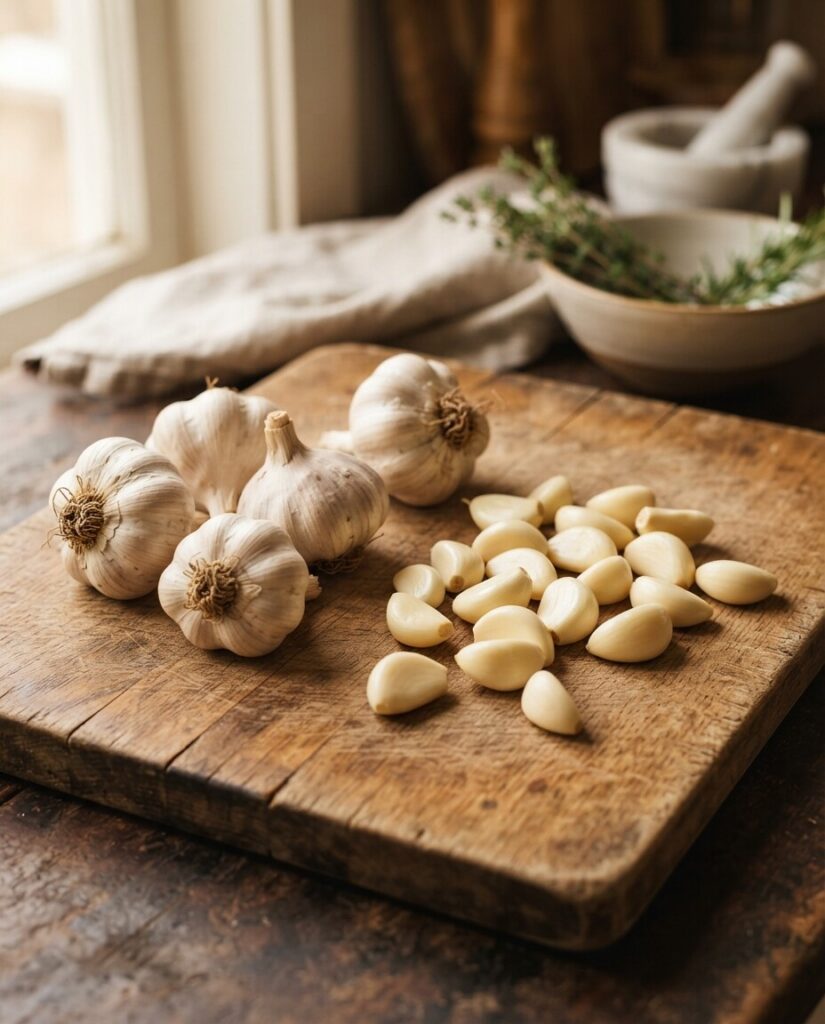
I kept a jar of pre-minced garlic in my fridge for years before I figured out why so many of my dinners tasted flat. Garlic’s forgiving, it’s hard to ruin, but a few small habits make a real difference in flavor and in what you actually get out of it.
Habits Worth Rethinking
- Relying only on supplements. Capsules are convenient, but most of garlic’s character comes from fresh, lightly crushed cloves. Crushing raw garlic forms sulfur compounds, allicin among them, that give it that signature bite, and they fade fast with drying and long storage.
- Expecting it to fix your whole diet. Garlic is a flavor, not a cure-all, and it won’t undo a diet built mostly on ultra-processed food. It works best stacked on top of an already decent way of eating: yogurt, sauerkraut, kimchi, miso, that kind of thing.
- Cooking it too long. Those aromatic compounds don’t love high heat. If you actually want the punch, add garlic in the last five to ten minutes, or stir raw crushed garlic straight into dressings and dips.
- Skipping the rest. Chop or crush your cloves and let them sit ten minutes before they hit the pan. That short pause is when the aroma compounds actually develop.
- Reaching for the jarred stuff. Pre-minced garlic loses its edge fast, which is exactly the mistake I made for years. Whole, firm bulbs with no sprouting taste better, and they keep well somewhere cool, dark, dry, and ventilated, not the fridge.
- Treating garlic tea like medicine. Steeping garlic in hot water is warm and soothing, but the heat breaks down allicin, and claims that it treats specific illnesses go further than the evidence does. Drink it for comfort, not as a remedy.
- Overdoing it during pregnancy. Normal cooking amounts are generally fine. Larger amounts or concentrated supplements are a conversation to have with your doctor or midwife first, not a guess to make alone.
- Eating a lot of it raw, all at once. A big dose of raw garlic can irritate the stomach for some people. If it regularly bothers you, that’s your body telling you to ease back, and it’s worth mentioning to a doctor if it keeps happening.
- Putting it in everything. Not every dish needs it. If you want to freshen your breath afterward, a little fresh parsley or mint does the job.
- Forgetting it can interact with medication. If you’re on blood thinners or other prescriptions, mention regular garlic use to your doctor or pharmacist. It’s a small thing to flag, and it’s better flagged than missed.
Used with a little thought, garlic still earns its place in everyday cooking: fresh cloves when you can get them, less heat than you think, portions that make sense for your stomach.
FAQ
Is raw garlic better than cooked?
Raw, lightly crushed garlic holds onto more of its aromatic compounds; cooking mellows it out. Most cooks use both, depending on the dish.
How should I store fresh garlic?
Whole bulbs keep best somewhere cool, dark, dry, and ventilated, not the fridge, and you’ll want to use cloves before they start sprouting.
Can I eat garlic every day?
Most people do, in normal cooking amounts, without any issue. If you have a medical condition or take medication, check with your healthcare provider first.
Wellness note: This article is for general information only and is not medical advice or a substitute for professional diagnosis or treatment. Natural ingredients can cause irritation, allergic reactions, or interact with medications. Patch-test anything applied to skin, and consult a qualified healthcare professional before trying a remedy — especially if you are pregnant, take medication, or have a health condition. Seek prompt medical care for severe, worsening, or persistent symptoms.