Raisins: An Everyday Source of Iron and Antioxidants
Raisins rarely get much attention. They sit at the back of the pantry, get tossed into oatmeal or trail mix, and are otherwise forgotten. Yet this small…

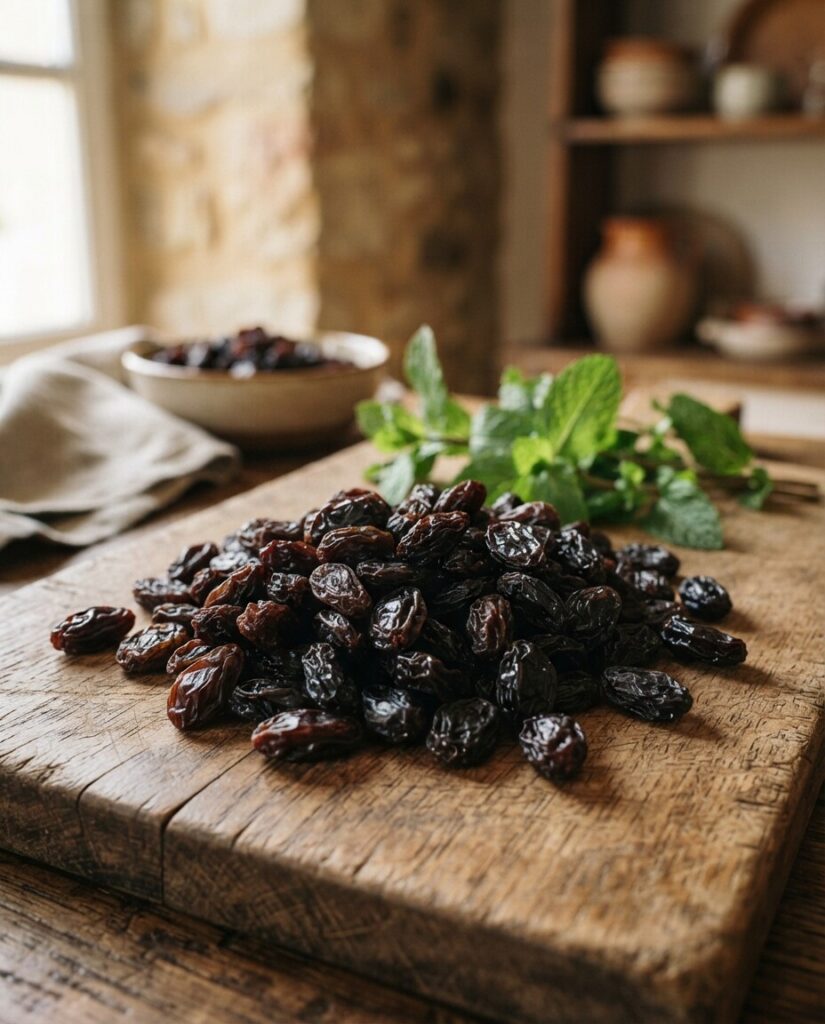
Raisins are just grapes with the water taken out. That’s the whole trick, and it explains almost everything about why a handful is worth more than it looks.
Jump to section
I spent years picking them out of trail mix to get to the almonds faster, honestly. Then I actually paid attention to what’s in there: a modest dose of iron, some potassium, a little fiber, and antioxidant polyphenols from the same family found in grape seeds. Drying doesn’t just shrink the grape, it concentrates what was already inside it.
None of that makes raisins a cure for anything. They’re a cheap, shelf-stable snack that happens to bring a little extra to the table.
The iron trick worth knowing
Iron from plants absorbs less easily than iron from meat, but there’s a simple fix: eat it with vitamin C. A squeeze of lemon, a few orange segments, some sliced strawberries alongside, any of these help your body take up more of it. That’s why a bowl of oatmeal with raisins and fresh fruit is a genuinely sensible breakfast, not just a habit of mine.
If your doctor has flagged low iron, raisins are a friendly food to lean on. They’re not a replacement for that conversation, though, just a nice addition to it.
How I actually eat them
- Stirred into warm oatmeal or overnight oats
- Tossed into trail mix with nuts and seeds
- Folded into muffins or a loaf of breakfast bread
- Scattered over a green salad with a citrus dressing
- Soaked in warm water overnight, so they’re soft and plump by morning
That last one isn’t some ritual. It’s a texture thing, plain and simple. Soaked raisins are gentler to chew, and some mornings that’s reason enough for me.
Mind the portion
Drying concentrates sugar right along with everything else, so ounce for ounce raisins carry more calories than fresh grapes. A tablespoon or two is a reasonable serving. They’re sticky, too, so rinse your mouth or brush afterward if you’re thinking about your teeth. Managing blood sugar? Keep portions modest and ask a healthcare professional what fits your plan.
Keeping them fresh
An airtight container in a cool, dark cupboard keeps raisins good for months. If they dry out and harden, a few minutes in warm water brings them back to life — I do this more often than I’d like to admit, since mine always seem to sit forgotten at the back of the cupboard. In a hot kitchen, or for longer storage, the fridge keeps them soft and stops them clumping into a brick.
Raisins or fresh grapes?
Since one is just the other minus water, people ask which is better. Honestly, they do different jobs. Fresh grapes are more hydrating and lower in calories bite for bite, a lovely snack on a hot afternoon. Raisins are concentrated and travel well, which is why they end up in lunchboxes, baking, and camping bags. Both carry similar plant compounds. It’s less a competition than a question of which one fits the moment.
A spoonful of raisins folded into something you already eat — porridge, yogurt, a salad — is an easy way to add a few extra nutrients without any real effort. That kind of small, repeated habit tends to matter more than any single food ever will.
Frequently Asked Questions
Are raisins high in sugar?
They’re naturally sweet and concentrated, so yes, it adds up fast if you’re not paying attention. In small portions, they’re a perfectly fine whole-food snack.
Do I need to soak them first?
No. Soaking just softens them, and it’s purely a preference. Dry raisins keep the same nutrients either way.
Are golden and dark raisins different?
Same grapes, different drying method. That’s what changes the color and slightly the flavor. Nutritionally they’re close enough not to matter.
Disclaimer: This article is for general information only and is not medical or dietary advice. Talk with a qualified professional about your individual needs, especially if you are managing a health condition.