Agarwood (Oud): The Wood Worth More Than Gold
Hold a piece of genuine agarwood in your hand and it feels almost wrong: it is a chip of wood, dark and unassuming, yet it can be worth more than gold by…

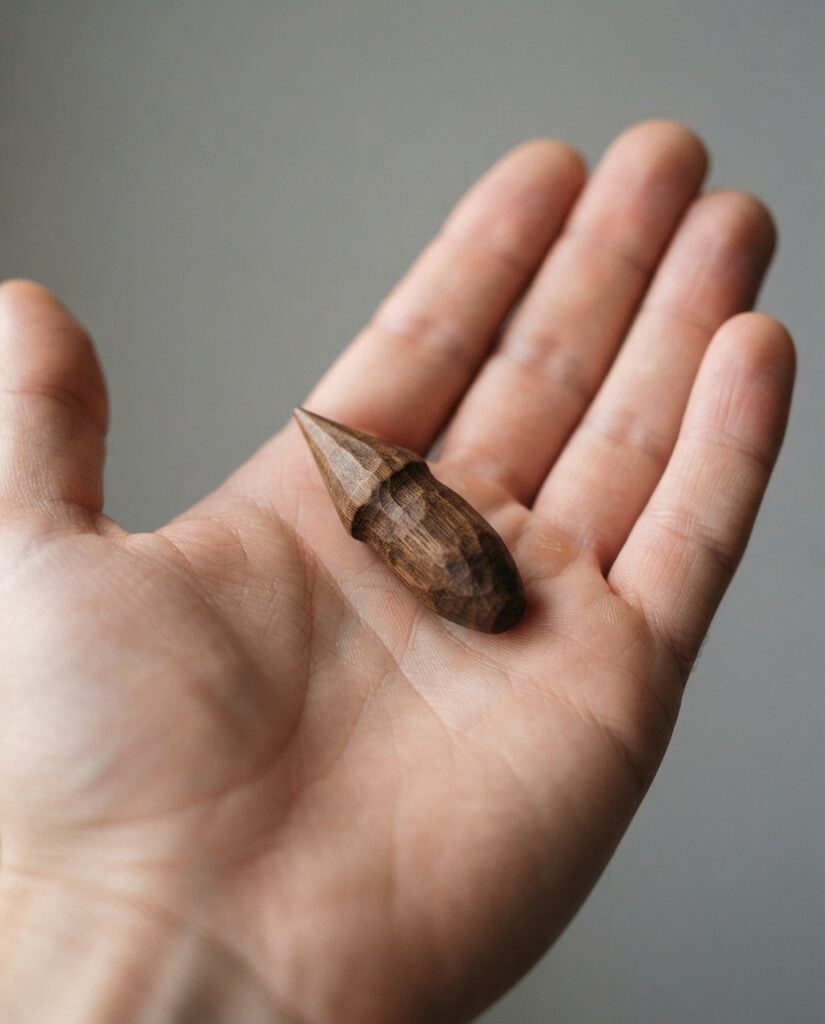
Hold a piece of genuine agarwood in your hand and it feels almost wrong: it is a chip of wood, dark and unassuming, yet it can be worth more than gold by weight. Burn a sliver and the room fills with something deep and resinous, sweet and a little smoky, warm in a way that is hard to describe until you have smelled it. This is oud, one of the oldest and most treasured fragrant materials on earth, and its story is stranger than most people expect.
Jump to section
What agarwood actually is
Agarwood, also called oud, aloeswood, or gaharu, is the dark, resin-soaked heartwood of trees in the Aquilaria genus (and a few close relatives), which grow across South and Southeast Asia. Here is the surprising part: a healthy Aquilaria tree produces plain, pale, odorless wood. The precious dark material only forms when the tree becomes infected, usually by a specific type of mould that enters through a wound or natural damage.
In response to the infection, the tree floods the affected area with a fragrant resin as a natural defense. Over years, that resin saturates the wood, turning it dark, dense, and intensely aromatic. What we prize as oud is essentially the tree’s slow, protective answer to injury and disease. Only a small fraction of wild trees ever develop it, which is the first clue as to why it is so rare.
Why it is called liquid gold
Several things stack up to make agarwood one of the most expensive natural raw materials in the world. The resin forms slowly and unpredictably, often taking decades. In the wild, you might cut many trees before finding one with a worthwhile amount of resin. High demand across the Middle East and Asia, combined with generations of overharvesting, pushed wild Aquilaria populations into serious decline, and the trees are now protected under international conservation agreements.
Prices reflect that scarcity. Top-grade wild agarwood and the essential oil distilled from it, known as oud oil, can command staggering sums, with fine oud oil sometimes selling for more per gram than gold. Today most of the legal supply comes from cultivated plantations, where trees are deliberately inoculated to trigger resin formation, a practice that eases pressure on wild forests while still yielding genuine oud.
How agarwood is used
The most traditional use is incense. Small chips or pellets are gently heated on charcoal or an electric burner rather than burned outright, releasing a slow, layered scent. In many cultures across the Arabian Peninsula, India, Japan, and beyond, this is woven into daily life and hospitality: perfuming a home, welcoming guests, marking celebrations, and accompanying prayer and meditation. Japan has a centuries-old refined practice built around appreciating fragrant woods.
Agarwood is also the backbone of some of the world’s finest perfumery. Distilled oud oil brings a rich, animalic, woody depth that has become especially prized in Middle Eastern fragrance and, more recently, in luxury Western perfumes. A single drop carries remarkable staying power, which is one reason so many premium scents now feature oud somewhere in their notes.
Spotting the real thing
Because genuine oud is so valuable, imitations are everywhere, and honest buyers should stay cautious. Real agarwood chips are noticeably dense and often sink or nearly sink in water because of the resin content, whereas cheap fakes tend to be light and dry. Genuine wood releases its scent slowly and evolves as it heats, rather than blasting a one-note, perfume-like smell the instant it warms up.
Many products labeled oud, especially inexpensive oils and mass-market sprays, are synthetic recreations or heavily diluted. That is not necessarily dishonest when it is clearly disclosed, and synthetics can smell lovely, but it is worth knowing what you are paying for. If a price seems far too good for wild agarwood, it almost certainly is not the real, wild thing. Reputable sellers are transparent about whether wood is wild or cultivated and where it comes from.
What makes agarwood so captivating is that its beauty comes straight out of hardship. A wounded, infected tree turns damage into one of the most sought-after fragrances humanity has ever known. Whether you encounter it as a warm curl of incense smoke, a precious drop of oil, or simply a dark chip of wood on a shelf, oud is a reminder that some of nature’s most remarkable gifts are also its most patient.