How to Revive a Wilting Peace Lily
A drooping peace lily looks alarming, but it's usually just thirsty. Here's how to water it properly and tell underwatering apart from real root trouble.

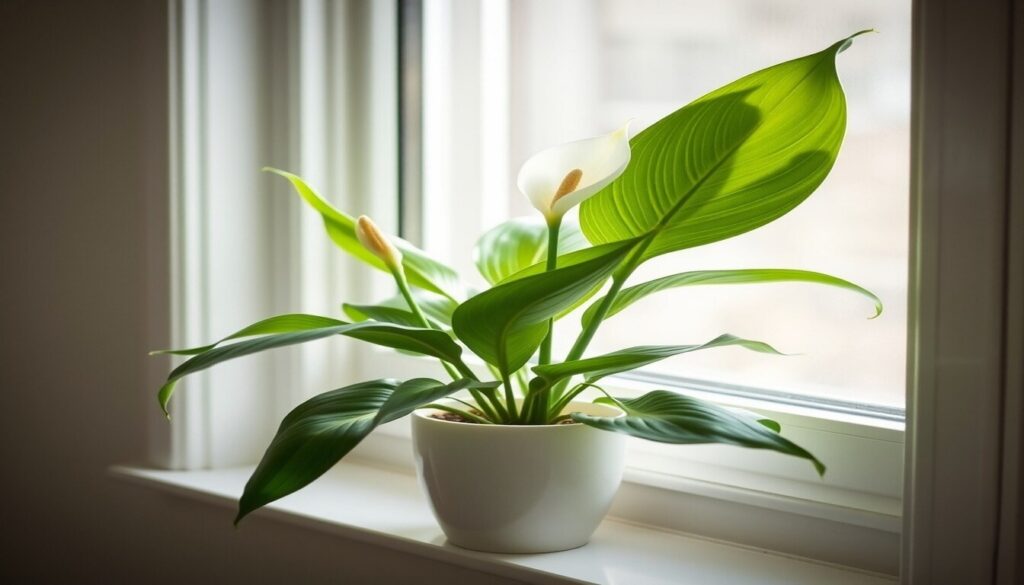
If you’ve ever walked past your peace lily and found it slumped over, leaves drooping like it’s given up entirely, you know how alarming it looks. The good news is that peace lilies are dramatic on purpose – it’s one of their most useful traits, not a sign that something has gone seriously wrong.
Jump to section
Why Peace Lilies Wilt So Dramatically
Peace lilies are known for telegraphing thirst loudly. When the soil dries out, the leaves lose rigidity and the whole plant collapses inward, sometimes within a day. It looks dire, but it’s actually the plant’s built-in warning system. Water it thoroughly, and most peace lilies perk back up within a few hours – sometimes even less. It’s one of the few houseplants that gives you a clear, unmistakable signal before real damage sets in.
How to Water It Properly
The wilting response is useful, but it works best if you also get the watering itself right, rather than relying on the plant to tell you every time.
- Water thoroughly, not just a splash. When you do water, soak the soil until water runs out the drainage holes. A light sprinkle on top only wets the surface and leaves the roots dry.
- Let it drain completely. Never let the pot sit in standing water in a saucer or decorative cover. Sitting water suffocates the roots and is one of the most common ways people accidentally kill a peace lily.
- Check before you water again. Stick a finger about an inch into the soil. If it’s still moist, wait. Peace lilies would rather dry out slightly between waterings than stay constantly soggy.
Underwatering vs. Overwatering: How to Tell the Difference
Both problems can leave a peace lily looking unhappy, but they show up differently if you know what to look for.
An underwatered plant droops with soft, limp leaves that still look green, and it typically bounces back fully within hours of a good watering. An overwatered plant tells a different story – leaves turn yellow, feel mushy rather than soft, and the wilting doesn’t resolve after watering because the actual problem is root rot. If you suspect rot, gently remove the plant from its pot and check the roots. Healthy roots are firm and pale; rotting roots are brown, mushy, and often smell unpleasant. Trim away the damaged roots and repot in fresh, well-draining soil.
Light and Humidity
Peace lilies thrive in bright, indirect light – think a few feet back from an east or north-facing window. Direct harsh sun scorches the leaves and dries the plant out faster than it can keep up with, which can make wilting episodes more frequent. Too little light, on the other hand, means fewer of the plant’s signature white blooms.
These plants also appreciate humidity. If your home runs dry, especially in winter with heating on, a occasional misting or a pebble tray with water underneath the pot can help keep leaf tips from browning.
When to Repot
If your peace lily is wilting more often than it used to, even with consistent watering, check whether it’s become root-bound. Roots circling tightly around the inside of the pot can’t take up water efficiently. Repotting into a container one size up, with fresh potting mix, usually solves recurring wilting that watering alone doesn’t fix.
The Bottom Line
A drooping peace lily looks worse than it usually is. Water it well, let it drain, give it bright indirect light, and check the roots if the wilting doesn’t resolve. Most of the time, it’ll be standing tall again by the next morning.