3 Vitamins to Watch After 50: D, B12, Magnesium
By the time we reach our fifties, the body absorbs some nutrients a little less efficiently than it once did. That is a normal part of aging, and it is…

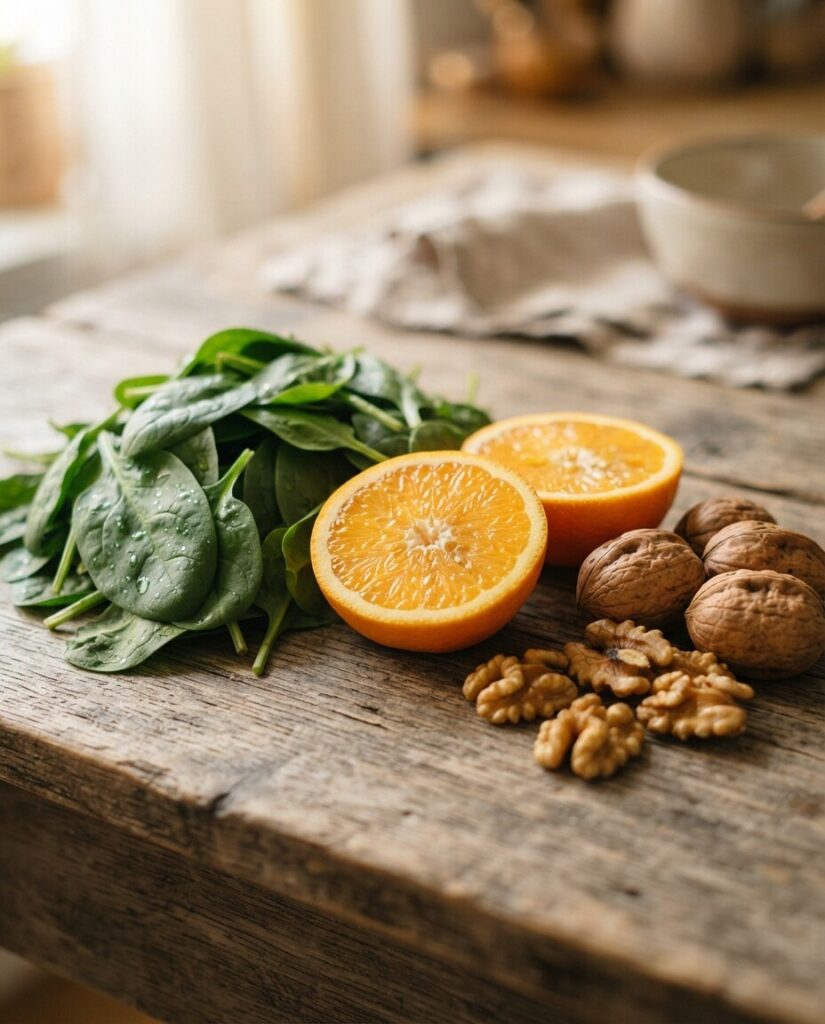
Vitamin D, B12, and magnesium aren’t glamorous. They’re also the three gaps I hear about most from people past fifty, mostly because the body gets a little less efficient at absorbing them with age, and because all three hide in foods that are easy to quietly stop eating as much of.
Jump to section
None of these is a shortcut. They’re small pieces of a bigger picture that still needs balanced meals, movement, and regular check-ups. Here’s the plain version of why they come up so often, and how to close the gap through food first.
Part of it is just digestion. Stomach acid and certain gut functions decline gradually with age, and that affects how well the body pulls B12 from food specifically. Add a smaller appetite or a more restricted diet, and a shortfall can creep in even when the meals on the plate look perfectly reasonable.
Vitamin D: Not Just About Bones
Called the “sunshine vitamin” because your skin makes it from sunlight. Levels run low in a lot of older adults, especially anyone who spends most of the day indoors or lives somewhere gray half the year.
- Fatty fish such as salmon, sardines, and mackerel
- Eggs
- Fortified milk and some plant-based drinks
- A reasonable amount of time outdoors
If you notice you feel low or extra tired through the darker months, a simple blood test will tell you where you actually stand, and your doctor can say whether a supplement makes sense.
Vitamin B12: Energy and Nerves
B12 supports normal energy production and healthy nerve function. It comes mostly from animal foods, so a smaller appetite, a plant-forward diet, or certain long-term medications can make it harder to get enough over time.
- Meat, poultry, and fish
- Eggs and dairy
- Fortified cereals and nutritional yeast
Ongoing tiredness or tingling in the hands and feet sometimes gets pinned on low B12, but plenty of things cause those feelings. That’s a conversation for a doctor, not a guess with a supplement bottle.
Magnesium: The One Everyone Skips
Magnesium is involved in hundreds of everyday processes — muscle function, steady energy, the ordinary background stuff the body just does. It’s also one of the nutrients people most often fall short on, largely because the foods that carry it aren’t always the ones on the plate. The one change that actually stuck for me was moving a jar of pumpkin seeds from the pantry to the counter — if I can see it while making coffee, I actually sprinkle it on something.
- Leafy greens like spinach and chard
- Nuts and seeds
- Beans and lentils
- Whole grains
The Quick Version
| Vitamin | Often discussed for | Everyday sources |
|---|---|---|
| Vitamin D | Bone health and overall wellbeing | Sunlight, fatty fish, eggs, fortified milk |
| Vitamin B12 | Energy and nerve function | Meat, fish, eggs, dairy, fortified cereals |
| Magnesium | Muscle function and steady energy | Leafy greens, nuts, seeds, beans, whole grains |
Small Steps, Not a Dramatic Overhaul
- Check your own routine. Getting any daylight? Are meals varied, or the same five things on repeat?
- Build a balanced plate. Roughly half vegetables, a quarter protein, a quarter whole grains.
- Add small upgrades. A handful of nuts, an egg or some dairy, more leafy greens.
- Talk to your doctor if you’re persistently tired, on long-term medication, or working around dietary restrictions.
It’s rarely one magic nutrient. When one piece runs consistently low, the rest of the system has to compensate for it, and that shows up eventually. The fix is almost never dramatic, just steady, small corrections over time.
A quick note: This article is for general information only and is not medical advice. Nutrient needs vary from one person to the next. Speak with a qualified healthcare provider before changing your diet or starting any supplement, especially if you take medication or manage an ongoing condition.
Wellness note: This article is for general information only and is not medical advice or a substitute for professional diagnosis or treatment. Natural foods and ingredients can cause reactions or interact with medications. Consult a qualified healthcare professional before making changes — especially if you are pregnant, take medication, or have a health condition. Seek prompt medical care for severe, worsening, or persistent symptoms.