The Vegetable Most Often Linked to Parasite Contamination? Here’s How to Eat It Safely
Fresh vegetables are an essential part of a healthy diet, providing vitamins, minerals, fiber, and antioxidants that support overall well-being. However…
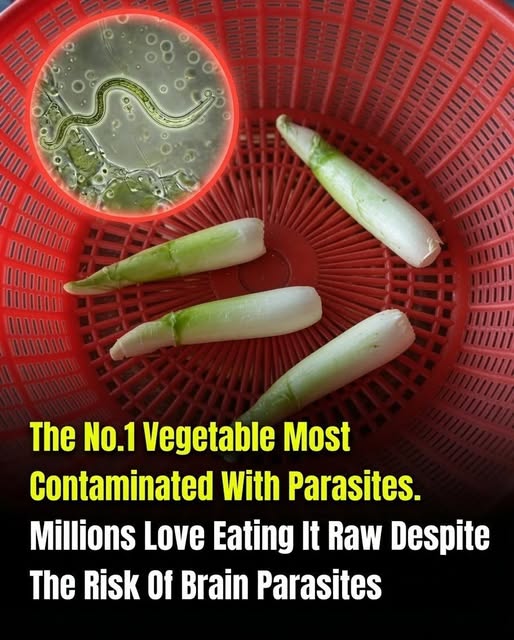
Fresh vegetables are an essential part of a healthy diet, providing vitamins, minerals, fiber, and antioxidants that support overall well-being. However, like many fresh foods, vegetables can occasionally become contaminated with bacteria, viruses, or parasites if they are grown, harvested, transported, or prepared under poor hygienic conditions. In recent years, social media posts have claimed that certain vegetables are the “number one source” of parasites capable of reaching the brain. While these headlines attract attention, the reality is more complex.
No single vegetable is universally recognized as being the “most contaminated” with parasites. The actual risk depends on many factors, including farming practices, irrigation water quality, soil contamination, handling, storage, and food preparation. Vegetables that grow close to the ground or in wet environments may have a higher chance of carrying parasite eggs or larvae if they are exposed to contaminated soil or water, especially when eaten raw.
One vegetable that is often discussed is water bamboo shoots (also called Manchurian wild rice shoots in some regions). Like other aquatic or moist-environment vegetables, they can become contaminated if grown in polluted water or handled improperly. However, the vegetable itself is not dangerous when sourced safely, washed thoroughly, and cooked properly.
Parasitic infections are most commonly caused by consuming contaminated food or water rather than by a specific vegetable alone. Parasites such as roundworms, liver flukes, and tapeworms may infect humans under certain circumstances, but proper cooking destroys many parasites that might otherwise survive in raw foods.
Some parasites can affect the brain, but these infections are rare and usually involve specific parasites transmitted through contaminated pork, undercooked meat, or food contaminated with parasite eggs—not simply from eating fresh vegetables. Claims that one raw vegetable alone commonly causes “brain parasites” are misleading and not supported by scientific evidence.
Food safety experts recommend several practical steps to reduce the risk of foodborne illness. First, purchase vegetables from reliable sources whenever possible. Fresh produce should appear clean, undamaged, and free from signs of spoilage. At home, rinse vegetables thoroughly under running water before preparing them. For vegetables with many folds or layers, gently separate the leaves or peel away outer layers when appropriate.
For Complete Cooking STEPS Please Or Open button (>) and don’t forget to SHARE with your Facebook friends
Cooking is one of the most effective ways to reduce the risk of parasites and many harmful microorganisms. Boiling, steaming, stir-frying, or roasting vegetables until adequately heated significantly lowers the likelihood of infection. While many vegetables are perfectly safe to eat raw when handled correctly, individuals with weakened immune systems, pregnant women, older adults, and young children may benefit from choosing cooked vegetables more often.
Good kitchen hygiene is equally important. Wash your hands before handling food, use clean cutting boards and utensils, and keep raw meat separate from fresh produce to prevent cross-contamination. Refrigerate perishable foods promptly and avoid leaving prepared vegetables at room temperature for extended periods.
If someone develops persistent abdominal pain, diarrhea, unexplained weight loss, fever, or prolonged digestive symptoms after consuming contaminated food, they should seek medical evaluation. Modern laboratory testing can identify many parasitic infections, allowing appropriate treatment to begin promptly.
The important message is that vegetables remain one of the healthiest food groups available. Rather than avoiding them because of alarming headlines, consumers should focus on proper food safety practices. Thorough washing, safe storage, careful preparation, and adequate cooking dramatically reduce the risk of foodborne illness while allowing people to continue enjoying the many nutritional benefits that vegetables provide.
In the end, no vegetable should automatically be considered dangerous. The true key to preventing parasitic infections is maintaining good hygiene throughout the food chain—from the farm to the kitchen table. With proper handling and preparation, fresh vegetables can remain a safe and valuable part of a balanced daily diet.
You May Also Like
 My neighbor brought this to our block party in 1978 and I’ve been making it every summer since. Only 3 ingredients.
 Why Everyone Is Mounting Firewood Racks on Their Walls (And Why It’s the Coziest Home Trend Yet)
 5 vegetables you should never eat raw — they may hide worm nests that turn into parasites in your stomach
 How to Clean Black Mold from a Refrigerator Gasket in Minutes
Keep reading