Most folks do this wrong. Here’s the perfect way to build a cucumber trellis – welcome
Cucumber trellising is a gardening technique that involves training cucumber plants to grow vertically on a support structure. This method not only saves…

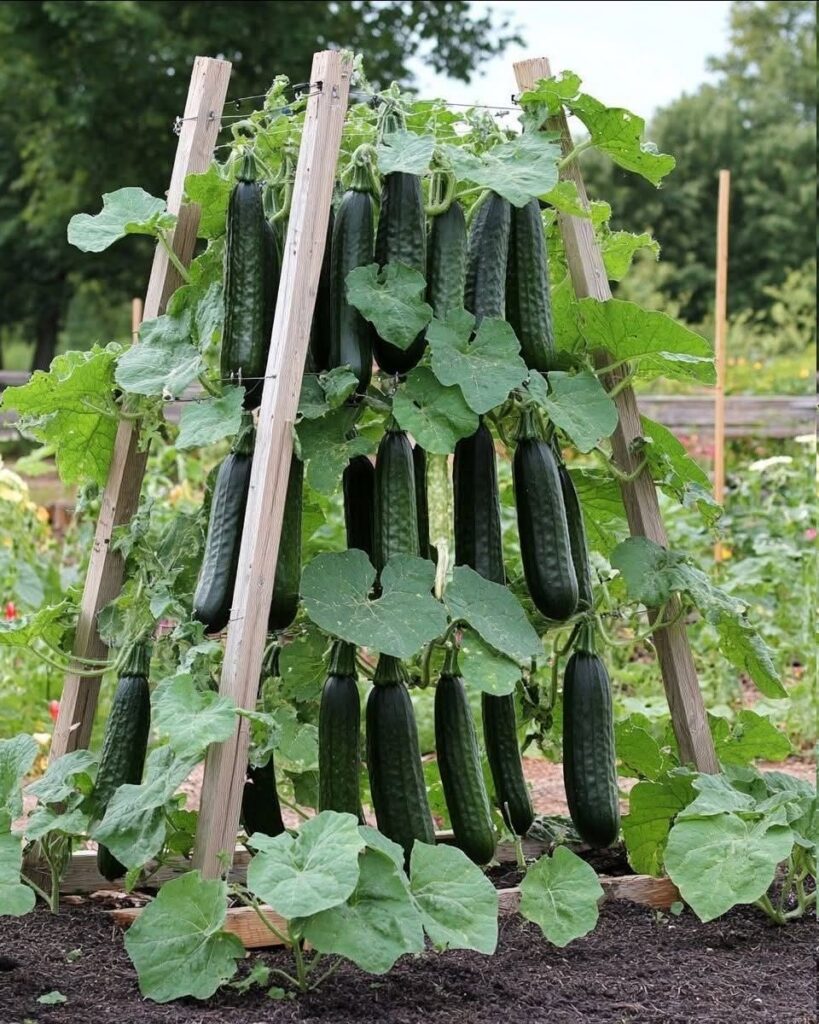
Cucumber trellising is a gardening technique that involves training cucumber plants to grow vertically on a support structure. This method not only saves space but also promotes healthier plants and easier harvesting. Whether you’re a seasoned gardener or a beginner, constructing a cucumber trellis can enhance your gardening experience and yield better results.
Benefits of Using a Cucumber Trellis
Using a trellis for cucumbers offers numerous advantages. It maximizes garden space by allowing plants to grow vertically, which is particularly beneficial for small gardens. Trellising also improves air circulation around the plants, reducing the risk of fungal diseases. Additionally, it keeps the cucumbers off the ground, preventing rot and making them easier to pick.
Common Pitfalls
1. Using a Weak or Unstable Structure
Cucumbers are heavy when they start producing, and a flimsy trellis can collapse under the weight.
Fix: Use strong materials like metal stakes, wooden frames, cattle panels, or PVC pipes to ensure stability.
2. Not Providing Enough Height
Cucumbers can easily grow 5-6 feet tall, sometimes more.
Fix: A trellis should be at least 5-7 feet to maximize vertical growth and avoid tangled vines.
3. Poor Spacing Between Plants
If cucumbers are planted too close together, airflow is reduced, leading to mildew and disease.
Fix: Space plants 12-18 inches apart for proper growth and airflow.
4. Using the Wrong Trellis Material
Thin strings or plastic netting can break or cut into vines.
Fix: Use sturdy materials like metal mesh, cattle panels, or wooden lattice.
5. Failing to Train the Vines Early
If you wait too long to guide the vines, they will sprawl on the ground or tangle.
Fix: Train the vines when they are young by gently wrapping tendrils around the trellis.
6. Not Providing Enough Sunlight
Cucumbers need at least 6-8 hours of direct sun.
Fix: Position the trellis where it gets maximum sunlight exposure.
7. Overcrowding the Trellis
If too many vines compete for space, they will shade each other, reducing fruit production.
Fix: Keep plants spaced out and trim excess leaves if necessary.
8. Letting Cucumbers Hang Too Low
If cucumbers drag on the ground, they can rot or attract pests.
Fix: Regularly check and lift fruits higher on the trellis.
9. Ignoring Pest and Disease Control
Trellising reduces but doesn’t eliminate pest problems like aphids, cucumber beetles, or powdery mildew.
Fix: Inspect plants frequently, use organic pest control, and remove infected leaves.
10. Not Watering Properly
Trellised cucumbers may dry out faster because they are more exposed to air circulation.
Fix: Water deeply and consistently, especially at the base of the plant.
Materials Needed for Building a Cucumber Trellis
Materials Needed for Building a Cucumber Trellis
To build a cucumber trellis, you’ll need sturdy materials such as wooden stakes or metal poles, wire mesh or garden netting, zip ties or garden twine, and a hammer or mallet. These materials are easily available at most garden centers or hardware stores.
Choosing the Right Location for Your Trellis
Selecting the appropriate location for your cucumber trellis is crucial. Choose a spot that receives full sun for at least 6-8 hours a day. Ensure the area has good drainage and is sheltered from strong winds, which can damage the trellis and plants.
Step-by-Step Guide to Constructing a Cucumber Trellis
Constructing a cucumber trellis involves several steps. First, prepare the ground and set the foundation. Next, build the frame of the trellis, attach the support structure, and secure the trellis for stability. Finally, plant the cucumbers and train them to climb the trellis.
Preparing the Ground and Setting the Foundation
Begin by clearing the area of weeds and debris. Loosen the soil with a garden fork and mix in compost to improve fertility. Mark the spots where the trellis posts will be placed, ensuring they are evenly spaced and aligned.
Building the Frame of the Trellis
Drive the wooden stakes or metal poles into the ground at the marked spots, ensuring they are firmly anchored. The height of the stakes should be at least 5-6 feet to accommodate the climbing cucumbers. Connect the tops of the stakes with horizontal beams for added support.
Attaching the Support Structure
Attach wire mesh or garden netting to the frame using zip ties or garden twine. Ensure the mesh is taut and securely fastened to provide a stable climbing surface for the cucumbers. The openings in the mesh should be large enough for the plants to grow through but small enough to offer adequate support.
Securing the Trellis for Stability
Check that the trellis is stable and secure. Reinforce the base of the stakes with additional soil or rocks if necessary. Ensure that the structure can withstand wind and the weight of the growing plants.
Read More Planting Cucumbers and Training Them to Climb
Plant cucumber seeds or seedlings at the base of the trellis, following the recommended spacing guidelines. As the plants grow, gently guide the vines onto the trellis, securing them with garden twine if needed. Regularly check the plants and adjust their position to ensure even coverage of the trellis.
Maintenance Tips for a Healthy Cucumber Trellis
Regularly inspect the trellis for any signs of damage or wear. Prune the cucumber plants to encourage air circulation and remove any diseased leaves. Water the plants consistently, especially during dry spells, and apply mulch to retain soil moisture.
Common Mistakes to Avoid When Building a Trellis
Avoid using flimsy materials that can’t support the weight of mature cucumber plants. Ensure the trellis is tall enough to accommodate the full growth of the plants. Don’t overcrowd the plants, as this can lead to poor air circulation and increased disease risk.
Conclusion and Final Thoughts on Cucumber Trellising
Constructing a cucumber trellis is a rewarding project that can significantly enhance your gardening efforts. By following the proper methods and maintaining the structure, you can enjoy a bountiful harvest of healthy cucumbers. With the right care and attention, your cucumber trellis will serve as a valuable addition to your garden for many seasons to come.
Let me tell you about a common Monday morning panic. You’re halfway through a perfect fried egg, and a small voice in your head whispers: “Isn’t that the cholesterol bomb?” I’ve been there. It’s the legacy of decades of medical advice that painted eggs as a surefire path to heart disease.
But here’s the reality check: for most people, the science has turned over a new leaf. Recent research, including a landmark study from the University of South Australia, has cracked the case wide open . It turns out that for years, we were looking at the wrong culprit.
The Cholesterol Myth, Debunked
The old belief was straightforward: eggs are high in cholesterol, so they must raise your blood cholesterol and clog your arteries. It seemed like simple logic.
However, the science tells a different story. Researchers have found that the dietary cholesterol you eat has a much smaller impact on the cholesterol in your blood than the saturated fat you consume . In fact, a world-first study demonstrated that eating two eggs a day as part of a low-saturated-fat diet did not raise “bad” LDL cholesterol . It’s the extra bacon or sausage on the side, or the butter you cook them in, that does the real damage .
So, what does a morning egg actually do? It provides a powerful nutritional punch. A large egg is a rich source of high-quality protein, containing about 6 grams, along with important nutrients like choline for brain health, and antioxidants like lutein and zeaxanthin for your eyes . For most people, the consensus is that one egg a day is perfectly fine and even beneficial . As one Harvard expert put it, for people who have already cut down on red meat and full-fat dairy, having an egg a day is a perfectly healthy choice .
The Best Time to Eat Eggs: Is There a Benefit?
If you’re looking to get the most out of your eggs, the science suggests that the morning is indeed your best bet.
For Weight Management: Starting your day with a protein-rich breakfast like eggs can keep you feeling full and satisfied, potentially reducing cravings and calorie intake throughout the day . Research has shown that an egg breakfast can lead to lower hunger hormone levels and significantly fewer calories consumed later on .
For Steady Energy: The high-quality protein in eggs helps stabilize blood sugar and provides sustained energy, preventing the mid-morning crash that can come from a carbohydrate-heavy meal
For Your Mind: Eggs are packed with brain-boosting nutrients like choline and tryptophan. Some research even suggests that this combination may help in managing anxiety symptoms by supporting the production of serotonin .
Of course, if your goal is muscle building, consuming protein in the morning is a great head start, though spreading it across the day and especially after a workout is also key .
A Word of Caution
While eggs are a nutritious superstar for most, they aren’t for everyone. People with a history of heart disease, diabetes, or high cholesterol should always consult with their doctor for personalized advice . However, the new consensus from leading health organizations like Harvard Medical School is clear: when paired with a heart-healthy diet low in saturated fat, eggs are no longer considered a major risk factor and can be a regular part of a healthy morning .
Have you reconsidered your relationship with eggs after reading the latest research? Share your thoughts in the comments—I’d love to hear your story!
You May Also Like
 My mother-in-law buys these tablets even if she doesn’t have a dishwasher: thanks to her trick I also got 1 pack for the whole year
 The Mysterious Kitchen Tool That Left the Internet Guessing: Do You Know What It Is?
 Set it and forget it. They’ll be creamy and fluffy for dinner, and you can top them however you like.
 crusted roast beef steak