Invisible plastic chairs? I’ll tell you all the tips you need to whiten them perfectly!
Invisible plastic chairs? I’ll tell you all the tips you need to whiten them perfectly! This degradation of the material is completely normal and is due…
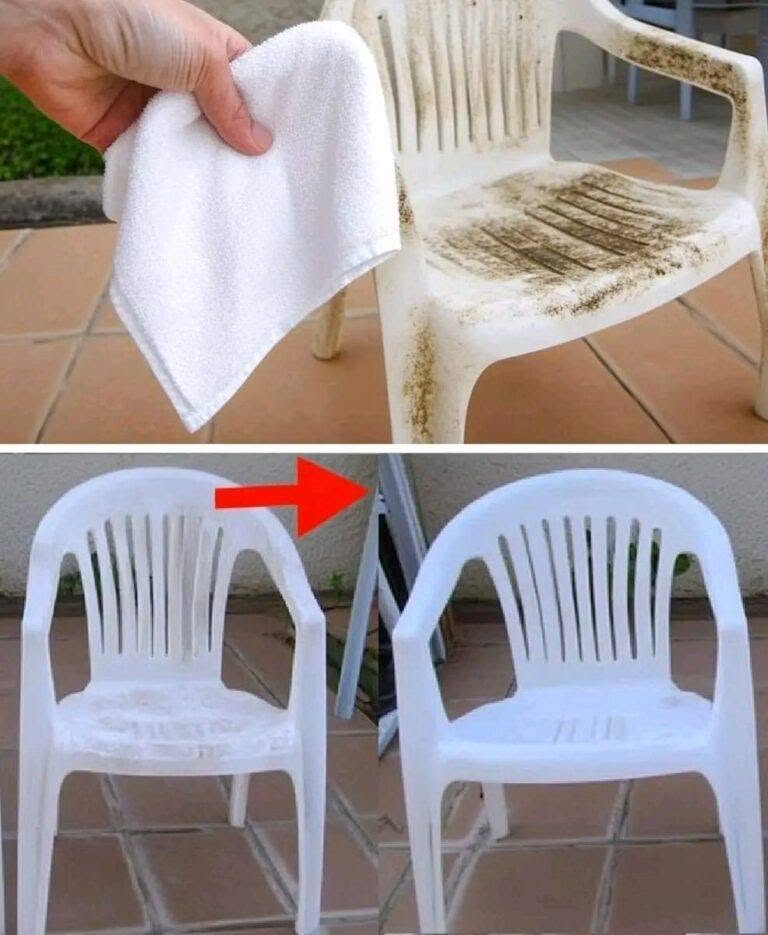
Invisible plastic chairs? I’ll tell you all the tips you need to whiten them perfectly!
This degradation of the material is completely normal and is due to the passage of time. Household appliances, garden chairs, countertops are subject to wear and tear and their condition usually deteriorates due to the sun’s rays, which accelerate the yellowing process.
This makes things look old-fashioned and neglected, even though we constantly take care of them and clean them thoroughly.
Regular maintenance is not enough.
There are some precautions you need to take when bleaching. Don’t worry, you don’t have to spend a lot, it’s not about looking for the best products on the market! What we offer is a very cheap method without the use of chemicals or industrial agents, but it is very effective!
Let’s see together how to proceed.
…
For Complete Cooking STEPS Please Or Open button (>) and don’t forget to SHARE with your Facebook friends
Are plastic chairs invisible? I’ll tell you all the tips for perfect whitening!
Let’s start with the most common problem: outdoor chairs! Often, when we rearrange the garden and terrace, we notice that they have turned yellow during the winter, even though when we put them away they were spotless and spotless. Cold, humidity and sunlight can cause plastic to turn yellow, which is easy to remedy. Dampen a cloth with white wine vinegar and rub the surface with it, rubbing even the most damaged areas. In short, the yellowish patina will fade and the chairs will be impeccable again.
Another very effective method, not only for these objects, but also for household appliances, kitchen counters, doors and furniture, is the use of hydrogen peroxide. It must be applied repeatedly, concentrated and left to act for an hour. At the end of the installation, simply rinse thoroughly and dry well. Very simple, right?
But let’s look at the real ace that every housewife who is renovating yellowed plastic needs: toothpaste! While it may seem unthinkable, it can make a big difference, provided you use the whitening version.
Use an old, used toothbrush: not only is it easy to use, but it also allows you to reach places that are otherwise difficult to reach. Apply a small amount of toothpaste to the entire surface and rub it in, pressing it in if necessary. Use circular movements, exactly as you would when brushing your teeth. Leave it on for about twenty minutes, then wipe off the excess with a soft, slightly damp cloth.
If the first layer is not enough, repeat the process by adding a teaspoon of baking soda. This will increase the whitening power of the toothpaste. The mild abrasive effect of the baking soda penetrates the polymers and turns the objects snow-white.
Easy, right?
You May Also Like
 My neighbor brought this to our block party in 1978 and I’ve been making it every summer since. Only 3 ingredients.
 Why Everyone Is Mounting Firewood Racks on Their Walls (And Why It’s the Coziest Home Trend Yet)
 5 vegetables you should never eat raw — they may hide worm nests that turn into parasites in your stomach
 How to Clean Black Mold from a Refrigerator Gasket in Minutes
Keep reading