An old sewing secret: a little-known but very useful tip
Who hasn’t felt annoyed by a tangled thread or a seam that came undone after a few washes? Our grandmothers knew these little annoyances all too well……

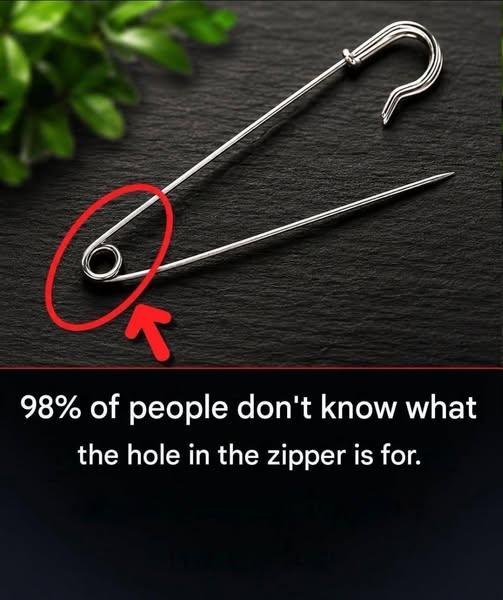
Who hasn’t felt annoyed by a tangled thread or a seam that came undone after a few washes? Our grandmothers knew these little annoyances all too well… but they always had a solution. Their simple techniques, passed down from generation to generation, have gradually disappeared with the advent of modern tools. Yet rediscovering them could really change the way we sew.
Old seamstresses’ common sense
Even with the best instructions or the latest equipment, sometimes a piece of fabric or a weak thread is enough to ruin everything. In the past, seamstresses understood one thing: they didn’t need sophisticated tools, they needed simple techniques based on precision, perseverance and preparation. These tried and tested methods are still incredibly effective today.
1. Beeswax: the secret to strong thread
Does the thought of thread breaking or tangling sound familiar? Our grandmothers had their own miracle solution: a small piece of beeswax. After applying a thin layer to the thread, it becomes stronger, smoother, and glides effortlessly through the fabric.
For Complete Cooking STEPS Please Or Open button (>) and don’t forget to SHARE with your Facebook friends
How to do it?
Simply thread the thread two or three times through a piece of natural beeswax. This creates a stronger thread, perfect for thick fabrics or long stitches.
2. Dry soap: a discreet and economical tracker
No chalk or special pens needed! An old, dried-out bar of soap makes a great marking tool. It creates fine, visible lines without damaging the fabric and washes away easily.
Practical tip : always store leftover soap in a sewing box, it will be useful for a long time.
3. Backstitch: The Key to a Strong Seam
Sometimes it’s considered a small detail, but… starting and ending the seam with a few backstitches makes a big difference. This simple step prevents the seam from unraveling over time, especially in sensitive areas.
Best places to apply : on trouser hems, shoulders or zippers.
4. Angle pin: simple stability
Many needles sew parallel to the edge… but experienced seamstresses prefer to needle them diagonally. This simple change improves fabric stability and prevents the machine from jamming.
The result : perfect support and smoother sewing, even on delicate materials.
Rediscovering the joy of sewing
These age-old techniques remind us of a simple truth: sewing doesn’t have to be complicated to be successful. With a little wax, a bar of soap, and a few good habits, your projects will be stronger, more precise, and above all… more fun.
So why not revive these old-fashioned tips? They’ve stood the test of time for a good reason: they
You May Also Like
 My mother-in-law buys these tablets even if she doesn’t have a dishwasher: thanks to her trick I also got 1 pack for the whole year
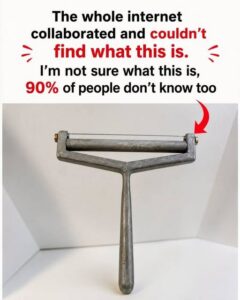 The Mysterious Kitchen Tool That Left the Internet Guessing: Do You Know What It Is?
 Set it and forget it. They’ll be creamy and fluffy for dinner, and you can top them however you like.
 crusted roast beef steak