8 Things You Absolutely Should Not Put in the Dishwasher (And the Gentle Art of Caring for Your Kitchen Treasures)
The dishwasher is truly one of the greatest modern miracles of the kitchen. After a long day of cooking, feeding the family, and enjoying a beautiful…


The dishwasher is truly one of the greatest modern miracles of the kitchen. After a long day of cooking, feeding the family, and enjoying a beautiful meal, the simple act of loading the machine and pressing a button feels like a deep, comforting sigh of relief. It saves us time, water, and energy.
But in our rush to clear the counters and let the machine do the heavy lifting, we sometimes accidentally toss in items that simply cannot survive the harsh environment of a wash cycle. The high heat, the aggressive water pressure, and the harsh detergents can quietly ruin our most beloved kitchen tools.
Taking an extra five minutes to hand-wash certain items isn’t a chore; it’s a quiet, mindful ritual of caring for the things that nourish us. Let’s explore the 8 things you should absolutely keep out of the dishwasher, how to properly care for them, and how to turn these simple tasks into moments of kitchen peace.
🍽️ The 8 Things That Must Be Hand-Washed
(Note: Since we are starting fresh, let’s make sure we cover all 8 of the most important items, starting with the most common culprit!)
1. Sharp Kitchen Knives
Your favorite chef’s knife is an extension of your hand, and the dishwasher is its worst enemy. The high heat can warp the handles (especially if they are made of wood or bone), and the harsh detergents can dull the blade. Worse, the violent water jets cause the knives to bang against other dishes, chipping your plates and ruining the knife’s edge.
How to care for them: Hand wash immediately after use with warm, soapy water and a soft sponge. Dry them instantly with a towel to prevent water spots and rust. Store them safely in a knife block or on a magnetic strip.
2. Delicate Crystal and Fine China
If you own exquisite crystal stemware or fine china, it deserves the royal treatment. The high-pressure water jets can cause fragile glass to chip or shatter against other dishes. Harsh detergents and intense heat can permanently etch the surface of crystal, leaving it looking cloudy no matter how much you polish it. Additionally, any delicate gold or silver trim will likely fade, peel, or wash away entirely.
How to care for them: Line a plastic basin with a towel to prevent slipping, and wash the pieces gently with mild dish soap and lukewarm water. Rinse thoroughly and let them air dry on a rack, or dry them carefully with a lint-free cloth. Never stack heavy items on top of delicate pieces.
3. Cast Iron Cookware:
3. Cast Iron Cookware
Cast iron skillets are the undisputed workhorses of the kitchen, carrying the nostalgic memories of countless Sunday suppers, but they absolutely despise the dishwasher. The harsh detergents and high heat will completely strip away the polymerized oil layer—known as the seasoning—that gives cast iron its natural non-stick properties. Without this protective barrier, the iron will rust rapidly when exposed to moisture and air.
How to care for them: Hand wash with hot water and a stiff brush (you rarely need soap). Dry the pan completely on the stove over low heat, and rub it lightly with oil after each wash to maintain the non-stick surface. Never soak cast iron for long periods.
4. Nonstick Cookware
It might seem counterintuitive since nonstick pans are designed to be easy to clean, but they should stay out of the dishwasher. Aggressive detergents and high temperatures break down the nonstick coating (like PTFE or Teflon), causing it to flake and lose its effectiveness. This accelerates wear and tear, meaning you’ll be forced to replace your expensive pans much sooner.
How to care for them: Hand wash with a soft sponge and mild dish soap. Avoid abrasive scrubbers like steel wool. Always let the pan cool completely before washing to prevent warping. While some newer ceramic-coated pans claim to be dishwasher safe, hand washing will always extend their life.
5. Anything with Adhesive Labels
We’ve all tried to scrub a baked-on sticker off a dish after a dishwasher cycle—it’s a nightmare. When exposed to high heat and water, labels disintegrate, leaving a stubborn, sticky residue on your dishes and inside the machine. Worse, the paper fragments and melted glue can clog your dishwasher’s filter, drastically reducing its cleaning efficiency.
How to care for them: Always remove all labels and stickers before loading. Soak stubborn labels in warm, soapy water to loosen the adhesive, and gently use a razor blade or scraper to remove any leftover glue.
6. Insulated Travel Mugs and Thermoses
Insulated mugs are fantastic for keeping your morning coffee at the perfect temperature, but the dishwasher can ruin their internal mechanics. The intense heat can damage the vacuum seal between the double walls, compromising the mug’s ability to retain temperature. Additionally, plastic lids and rubber seals can warp or degrade, leading to leaks.
How to care for them: Hand wash the body and lid with warm, soapy water, using a bottle brush to reach deep inside. Air dry completely with the lid off to prevent mold and mildew. Always check the manufacturer’s instructions, but hand washing is universally the safest bet.
7. Copper Cookware
Copper pots and pans are stunning kitchen treasures that catch the light beautifully, but they are incredibly finicky. Harsh detergents and high heat will quickly tarnish the beautiful finish, turning it dark and spotty. Some detergents can actually react chemically with the copper, causing pitting or corrosion.
How to care for them: Hand wash with mild soap and warm water, and dry immediately to prevent water spots. Polish regularly with a copper-specific cleaner or a simple homemade paste of lemon juice and salt.
8. Old or Valuable China
If you have heirloom china or dishes with delicate, hand-painted patterns passed down through generations, keep them far away from the dishwasher. Repeated exposure to hot water and harsh detergents will inevitably fade those beautiful designs. Older china is also much more brittle, making it highly prone to chipping under high water pressure. Furthermore, the thermal shock from rapid temperature changes can cause microscopic cracks in antique pieces.
How to care for them: Hand wash gently with mild soap and lukewarm water using a soft cloth or sponge. Avoid abrasives, dry carefully with a soft towel, and store them securely to prevent accidental bumps.
🛑 Bonus: Common Dishwasher Mistakes to Avoid
Knowing what to wash by hand is only half the battle. To keep your machine running beautifully and your dishes sparkling, avoid these common pitfalls:
✅ Mistake 1: Overloading the Machine.
The Fix: Water needs to circulate freely to clean your dishes. If you pack it too tightly, food and grease will just get redistributed. Leave a little breathing room between plates.
✅ Mistake 2: Ignoring the Filter.
The Fix: The filter at the bottom of your dishwasher catches food particles. If it gets clogged, your dishes will come out dirty and the machine might smell. Pull it out and rinse it under the tap once a month.
✅ Mistake 3: Putting Plastics on the Bottom Rack.
The Fix: The heating element is at the bottom of the dishwasher. The intense, direct heat can warp or even melt lightweight plastics. Always put Tupperware and plastic items on the top rack.
✅ Mistake 4: Pre-Rinsing Too Much.
The Fix: Modern dishwasher detergents are designed to cling to food particles. If you rinse your plates completely clean under the tap, the detergent has nothing to attack and can actually etch your glassware. Just scrape off the large bits of food and let the machine do the rest!
🌽 A Nostalgic Bonus: 3-Ingredient Cast Iron Skillet Cornbread
Since we are talking about the beautiful, enduring magic of cast iron cookware, I simply must share a recipe that honors it. There is nothing quite like the smell of cornbread baking in a well-seasoned cast iron skillet. It fills the house with a warm, comforting, nostalgic aroma that instantly makes a house feel like a home.
This is a beautifully simple, 3-ingredient recipe that requires no fancy flours or buttermilk—just the humble staples of the pantry. It’s perfect for a quick side dish to accompany a pot of chili or a Sunday roast.
Ingredients:
1 box (8.5 oz) Standard Cornbread Mix (the classic kind in the blue or red box)
1 cup of Whole Milk (or buttermilk if you have it for a tangier crumb)
1 large Egg
Instructions:
Preheat your oven to 400°F (200°C).
Place your beloved cast iron skillet in the oven while it preheats. (This is the secret to a perfectly crispy, golden crust!)
In a mixing bowl, whisk together the cornbread mix, milk, and egg until just combined. Don’t overmix; a few lumps are perfectly fine.
Carefully remove the hot skillet from the oven. Add a small pat of butter or a drizzle of oil to the pan to coat the bottom.
Pour the batter into the hot skillet. It should sizzle beautifully!
Bake for 15–20 minutes, or until the top is golden brown and a toothpick inserted into the center comes out clean.
Serve it warm, straight from the skillet, with a little honey drizzled on top. It’s rustic, it’s comforting, and it’s a perfect tribute to the cookware that has fed generations.
❓ Frequently Asked Questions
Q: What if I accidentally put my favorite knife or cast iron pan in the dishwasher?
A: Don’t panic! If it’s a knife, just dry it immediately and sharpen it when you have a moment. If it’s cast iron, dry it thoroughly on the stove, and if you see any surface rust, scrub it off with a little salt and oil, then re-season the pan by rubbing it with oil and baking it upside down at 350°F for an hour. It will be as good as new!
Q: How do I get cloudy crystal clear again?
A: If the cloudiness is from hard water minerals, you can soak the crystal in a mixture of warm water and white vinegar for a few hours, then gently buff it dry. However, if the glass is “etched” (which looks like permanent cloudiness caused by dishwasher detergent), it cannot be reversed. This is why hand-washing is so important!
Q: How often should I clean my dishwasher filter?
A: If you run the dishwasher every day, check and rinse the filter once a month. If you notice your dishes coming out gritty or the machine smelling musty, it’s definitely time to clean it.
💙 A Compassionate Closing Thought
If you are reading this while standing at the kitchen sink, hand-washing a beloved skillet or a delicate teacup, please know that you are doing something beautiful.
🏡 Caring for our tools is a form of self-care. When we take the extra five minutes to hand-wash our favorite pan, we are slowing down. We are connecting with the physical objects that nourish us and shelter us. It is a quiet, grounding moment in a day that often moves too fast.
🏡 Preserving the past for the future. Whether it’s a cast iron skillet passed down from your grandmother, or a set of fine china you hope to one day pass to your grandchildren, hand-washing these items is an act of preservation. You are keeping history alive, one gentle wash at a time.
🏡 There is peace in the routine. The rhythmic motion of washing, rinsing, and drying can be incredibly meditative. Let the warm water soothe your hands. Listen to the quiet sounds of the kitchen. Allow this chore to become a moment of mindfulness.
🏡 Your home reflects your love. The way you treat your kitchen tools shows the deep care you have for your home and the people who gather within it. A well-seasoned pan, a polished copper pot, and a sharp knife are testaments to a life lived, meals shared, and love given.
Those items aren’t just things you have to wash by hand.
They are your kitchen companions.
They are the keepers of your family’s recipes.
And they deserve to be treated with the same gentleness and care that you give to the people you love.
So, turn on the warm water.
Pick up the soft sponge.
And enjoy the quiet, comforting ritual of caring for your home.
What is your most cherished kitchen tool that you always hand-wash? Do you have a beloved cast iron pan, a special teapot, or a set of heirloom dishes? Share your kitchen stories and your gentle cleaning routines respectfully in the comments below.
You May Also Like
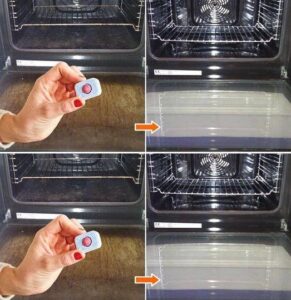 My mother-in-law buys these tablets even if she doesn’t have a dishwasher: thanks to her trick I also got 1 pack for the whole year
 The Mysterious Kitchen Tool That Left the Internet Guessing: Do You Know What It Is?
 Set it and forget it. They’ll be creamy and fluffy for dinner, and you can top them however you like.
 crusted roast beef steak