What the Air Recirculation Button Really Does
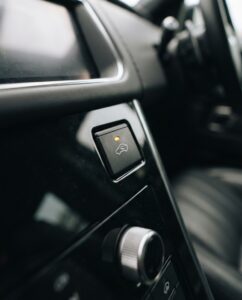
Most cars have a small button near the climate controls showing a car outline with a curved arrow looping inside it. Plenty of drivers press it without…

Most cars have a small button near the climate controls showing a car outline with a curved arrow looping inside it. Plenty of drivers press it without knowing what it does, or ignore it entirely. That button controls the air recirculation system, and understanding when to use it, and when not to, can make your car more comfortable and your air conditioning more efficient.
What the recirculation button actually does
Your car’s ventilation can pull air from one of two places. With recirculation off, the system draws in fresh outside air, filters it, adjusts its temperature, and sends it into the cabin. With recirculation on, the system closes the outside intake and instead re-uses the air already inside the car, circulating it in a closed loop.
That difference sounds small, but it changes how quickly your cabin heats or cools and what kind of air you are breathing while you drive.
How to find it in your car
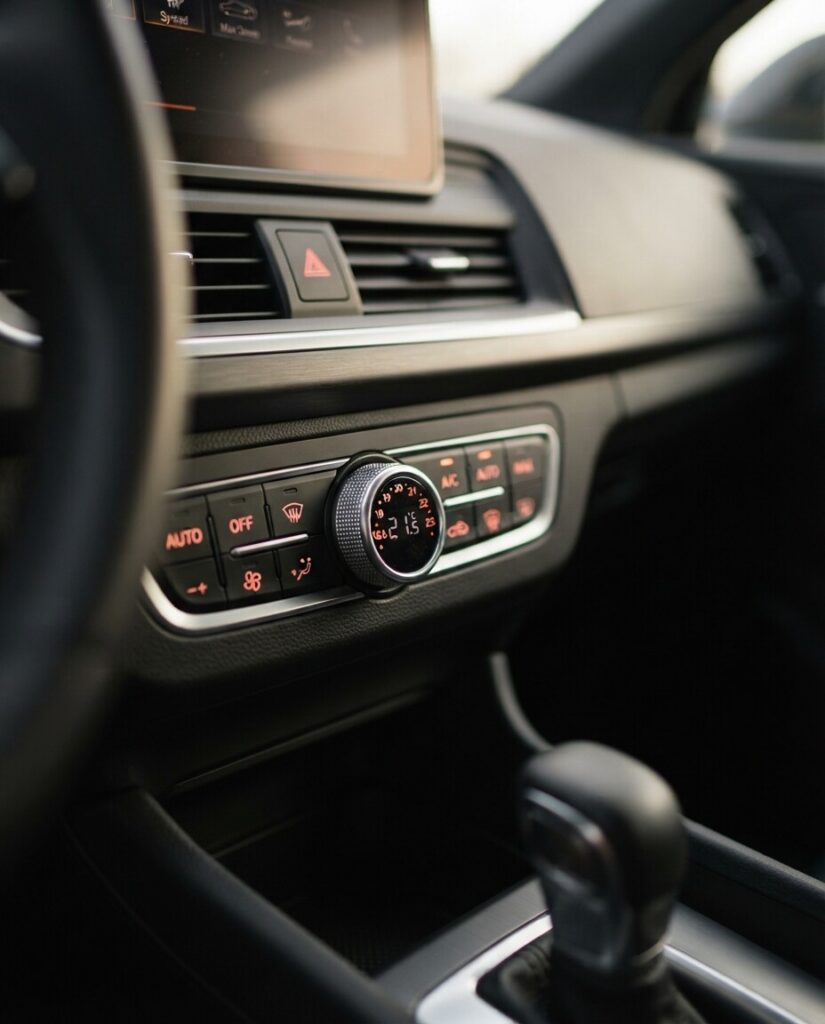
The recirculation control is usually a button on the climate panel, marked with a car silhouette and a U-shaped arrow curling back on itself. On some vehicles it sits within a touchscreen menu instead of a physical button. A small light on or beside the button typically glows when recirculation is active, so a quick glance tells you which mode you are in. If you are unsure, your owner’s manual will show its exact location and symbol.
When recirculation helps
- Cooling down quickly in hot weather. Once the cabin air is cool, recirculating it is more efficient than repeatedly cooling hot outside air. Your air conditioning reaches a comfortable temperature faster and works less hard.
- Driving through traffic or tunnels. Closing the outside intake helps limit exhaust fumes and road smells from entering the cabin when you are stuck behind other vehicles.
- High pollen or dusty conditions. People who are sensitive to pollen or dust often find recirculation more comfortable, since it reduces how much outside air is drawn in.
When to switch back to fresh air
Recirculation is useful in bursts, but it is not meant to stay on indefinitely. Because it stops drawing in fresh air, running it for long stretches can make the cabin feel stuffy and allow humidity to build up.
- On long trips, switch back to fresh air periodically so the cabin does not become stale.
- In cold or humid weather, recirculation can cause the windows to fog because moisture from your breath has nowhere to go. If the glass starts to mist up, turn recirculation off and let fresh air in.
- When defogging, most cars clear the windshield faster with fresh, drier outside air rather than recirculated cabin air.
A simple rule of thumb
Use recirculation as a short-term tool: turn it on to cool the car quickly, to pass through a smoky or fume-heavy stretch of road, or when pollen is heavy. Then switch back to fresh air for normal driving. Alternating between the two gives you the best of both, quick comfort when you need it and a steady supply of fresh air the rest of the time.
Do not forget the cabin air filter
Whichever setting you use, the air passing into your cabin goes through a cabin air filter. Over time this filter collects dust, pollen, and debris, which reduces airflow and can leave a musty smell. Most manufacturers suggest replacing it periodically, so check your owner’s manual for the recommended interval. A fresh filter keeps airflow strong and the cabin smelling clean.
FAQ
Does recirculation save fuel?
It can help slightly in hot weather, because the air conditioning does not have to work as hard to cool already-cooled air. The effect is modest, but it exists.
Why do my windows fog up when recirculation is on?
Recirculated air traps humidity inside the cabin. Switching to fresh air, and using the defrost setting, usually clears the glass quickly.
Is it bad to leave recirculation on all the time?
It is not dangerous, but the cabin can become stuffy and the windows more prone to fogging. Alternating with fresh air is more comfortable on longer drives.
The looping-arrow button is one of the most useful and least understood controls in a car. Once you know that it simply chooses between fresh outside air and recirculated cabin air, deciding when to use it becomes second nature, and your drives get a little more comfortable as a result.
The information on Kepoli is provided for general informational purposes only and is not professional medical, health, nutritional, or safety advice. Always use your own judgment and consult a qualified professional before acting on it.