The Unsung Hero of the Produce Aisle: Why Doctors Are Obsessed with Cabbage (Plus a Recipe You’ll Actually Crave)
Let’s be honest for a second: cabbage doesn’t always get the respect it deserves. For years, it’s been unfairly pigeonholed as the bland, boiled…

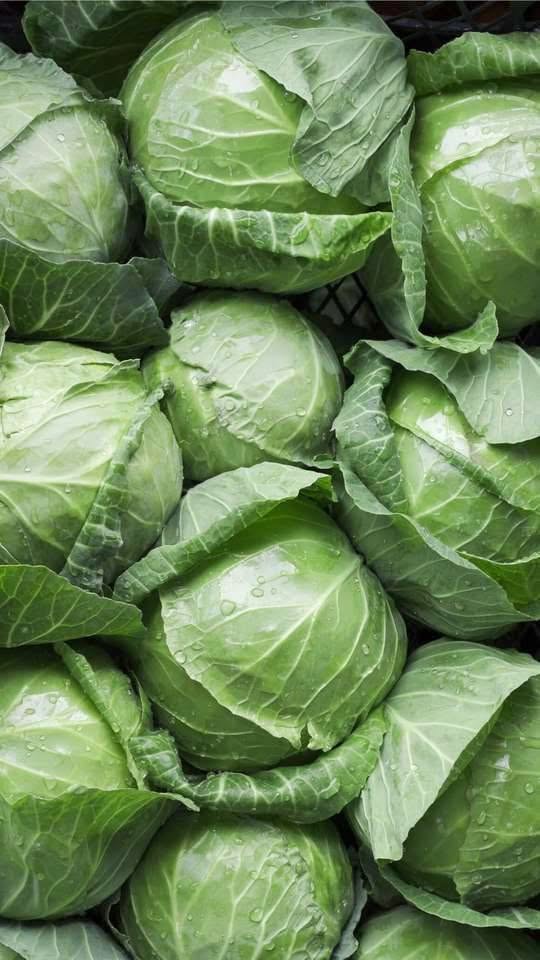
Let’s be honest for a second: cabbage doesn’t always get the respect it deserves. For years, it’s been unfairly pigeonholed as the bland, boiled, slightly smelly vegetable your grandparents forced you to eat.
But recently, the narrative has completely flipped. Nutritionists and doctors are sounding the alarm—in the best way possible—about this humble, crunchy cruciferous vegetable. It turns out, that cheap, durable head of cabbage sitting in your crisper drawer is an absolute nutritional powerhouse.
Eating cabbage regularly isn’t just a healthy habit; it’s a game-changer for your body. It’s packed with a dynamic duo of vitamins C and K, loaded with inflammation-fighting antioxidants, and brimming with the kind of fiber your gut microbiome dreams about. It helps your body naturally detoxify, gives your immune system a massive boost, and yes, those antioxidants even help keep your skin looking fresh and youthful.
But knowing why cabbage is amazing is only half the battle. The real trick is learning how to cook it so that you actually want to eat it every single day. That’s exactly what we’re doing today. I’m sharing my absolute favorite, doctor-approved way to prepare cabbage that will make you forget everything you thought you knew about this veggie.
For Complete Cooking STEPS Please Or Open button (>) and don’t forget to SHARE with your Facebook friends
Your “Gut-Glow” Cabbage Toolkit
To get all those amazing health benefits without sacrificing flavor, we need the right components. Think of this as your recipe for vibrant health and a happy tummy.
½ medium head of green or red cabbage: About 4 to 5 cups, thinly shredded. Substitute: Napa cabbage or Savoy cabbage work beautifully for a more tender, delicate texture.
2 tablespoons extra-virgin olive oil or avocado oil: The healthy fats help your body absorb the fat-soluble vitamins (like Vitamin K!) in the cabbage. Substitute: Toasted sesame oil for an Asian-inspired flavor profile.
3 large cloves of fresh garlic: Minced. Garlic adds a powerful prebiotic punch to support your gut health. Substitute: 1 teaspoon of high-quality garlic powder in a pinch, though fresh is always best for flavor.
1 tablespoon fresh ginger: Grated. Ginger is a natural anti-inflammatory that aids digestion and adds a bright, zesty kick. Substitute: ½ teaspoon of ground ginger.
1 tablespoon apple cider vinegar or fresh lemon juice: The acid brightens the dish and helps break down the tough cabbage fibers, making it easier to digest.
½ teaspoon sea salt and freshly cracked black pepper: To taste.
A pinch of red pepper flakes: Optional, but highly recommended for a little metabolic-boosting heat!
Step-by-Step: How to Make Cabbage You’ll Actually Crave:
Let’s walk through how to transform this humble vegetable into a crispy, savory, slightly sweet side dish that will steal the show at dinner.
Step 1: Prep Like a Pro
Remove any tough or wilted outer leaves from your cabbage. Cut it in half, remove the core, and slice it into thin, uniform ribbons. The thinner you slice it, the better it will caramelize and the less “cabbage-y” it will taste.
Step 2: Heat the Pan
Place a large skillet or wok over medium-high heat. Add your olive or avocado oil and let it get shimmering hot. We want a good sear, not a steam!
Step 3: The Sizzle
Toss in your shredded cabbage. It will look like a mountain in the pan, but don’t panic—it will shrink dramatically. Let it cook undisturbed for about 3 to 4 minutes. You want to see those beautiful, golden-brown, crispy edges forming. This caramelization is where the magic (and the flavor) happens.
Step 4: Build the Flavor Base
Push the cabbage to the sides of the pan to create a little well in the center. Add the minced garlic and grated ginger to the center. Let them toast in the oil for about 30 seconds until they are incredibly fragrant, then toss everything together to combine.
Step 5: The Bright Finish
Remove the pan from the heat. Immediately drizzle the apple cider vinegar (or lemon juice) over the cabbage and toss vigorously. The vinegar will deglaze the pan, picking up all those delicious browned bits, and mellow out the sharpness of the cabbage. Season with salt, pepper, and red pepper flakes to taste.
For Complete Cooking STEPS Please Or Open button (>) and don’t forget to SHARE with your Facebook friends
Pro-Tips for the Best Results
Don’t overcook it: Cabbage should retain a slight, satisfying crunch. If you cook it until it’s mushy, it releases sulfur compounds (that’s the “smelly” part) and loses its vibrant texture.
Massage it for salads: If you want to eat this raw, thinly slice the cabbage, sprinkle it with a little salt, and massage it with your hands for 2 minutes. This breaks down the cell walls, making it tender and much easier to digest.
Red cabbage bonus: If you use red cabbage, add a tiny splash of vinegar early in the cooking process. The acid helps lock in that stunning, vibrant purple color so it doesn’t turn a dull blue-gray.
Fun Variations and Serving Ideas
Want to switch things up or turn this into a full meal? Here are a few delicious ways to customize it:
The Protein Boost: Toss in a can of drained chickpeas during the last 2 minutes of cooking, or serve it alongside pan-seared salmon or crispy tofu.
The Umami Upgrade: Add a tablespoon of tamari or soy sauce along with the vinegar for a deep, savory, restaurant-quality flavor.
The Crunchy Topping: Serve it in a bowl and top with toasted sesame seeds, sliced almonds, or a sprinkle of crispy fried onions for an amazing textural contrast.
Frequently Asked Questions
Does eating cabbage really cause gas and bloating?
It can, but there’s a simple fix! Cabbage contains raffinose, a complex sugar that can be hard to digest raw. Cooking the cabbage thoroughly (like in this recipe) breaks down those compounds significantly. Also, starting with smaller portions and chewing your food well can make a massive difference.
Is red cabbage healthier than green cabbage?
They are both incredibly healthy, but red cabbage has a slight edge. The pigment that gives it that gorgeous purple hue is called anthocyanin, a powerful antioxidant linked to reduced inflammation and improved heart health.
Can I meal-prep this recipe?
Absolutely! This dish actually tastes fantastic the next day as the flavors continue to meld. Store it in an aاirtight container in the fridge for up to 4 days. Reheat it gently in a skillet to maintain the texture, or enjoy it cold as a crunchy salad topping.
A Final Thought
It’s easy to get caught up in the hype of expensive superfoods and trendy supplements, but sometimes the most profound healing comes from the simplest, most affordable ingredients. Cabbage is a testament to that. It’s cheap, it lasts for weeks in your fridge, and it delivers a massive return on investment for your gut, your skin, and your overall well-being.
I truly hope this recipe changes the way you look at that humble head of cabbage. It’s time to give it the starring role it deserves on your dinner plate!
Have you tried cooking cabbage this way before, or do you have a secret family recipe that makes you love it? Drop a comment below and share your tips—I’d absolutely love to hear from you! And if you know someone who needs a little encouragement to eat more veggies, please share this article with them. Here’s to your health and happy cooking!
You May Also Like
 My mother-in-law buys these tablets even if she doesn’t have a dishwasher: thanks to her trick I also got 1 pack for the whole year
 The Mysterious Kitchen Tool That Left the Internet Guessing: Do You Know What It Is?
 Set it and forget it. They’ll be creamy and fluffy for dinner, and you can top them however you like.
 crusted roast beef steak