How to Make a Super Effective Homemade Herbicide: A Science-Backed, Eco-Conscious Guide
A Simple, Budget-Friendly Solution for Driveways and Patios — With Important Safety and Environmental Considerations Getting rid of weeds doesn’t always…

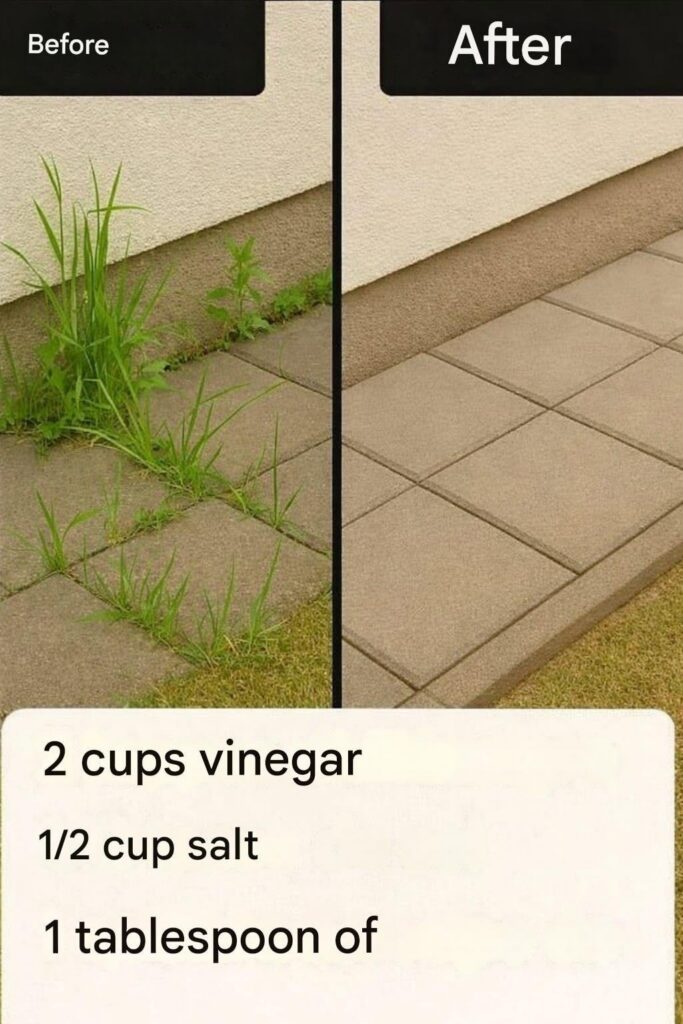
A Simple, Budget-Friendly Solution for Driveways and Patios — With Important Safety and Environmental Considerations
Getting rid of weeds doesn’t always require expensive or environmentally harmful industrial products. With products you already have at home, you can prepare a simple and effective solution.
This natural herbicide is ideal for sidewalks, patios, and garden beds.
This article isn’t about quick fixes without consequences. It’s about clarity. It’s about giving you honest, evidence-informed information so you can manage weeds with confidence—not confusion—and protect your home, your garden, and the environment.
Let’s explore what science actually says about homemade herbicides—and how to use them wisely, safely, and effectively.
📋 Homemade Herbicide: Quick Reference Guide
Detail
Information
Primary Ingredients
White vinegar (5%+ acetic acid), salt, dish soap
Best For
Driveways, sidewalks, patios, gravel paths, cracks in pavement
Not Recommended For
Garden beds with desirable plants, lawns, near water sources
Effectiveness
Moderate on young, annual weeds; limited on deep-rooted or perennial weeds
Environmental Impact
Non-selective; salt can persist in soil; vinegar breaks down quickly
Safety Level
Low toxicity to humans/pets when dry; still requires basic precautions
Bottom Line
A useful tool for hard surfaces when used mindfully—not a universal solution
💡 Key insight: “Natural” doesn’t always mean “harmless.” Understanding how this mixture works helps you use it responsibly.
❤️ Why This Conversation Matters:
For Complete Cooking STEPS Please Or Open button (>) and don’t forget to SHARE with your Facebook friends
Weeds can be frustrating—but the solutions we choose matter. Many commercial herbicides contain synthetic chemicals that raise environmental or health concerns. Homemade alternatives offer appeal, but they also carry risks if used without understanding.
Knowing how a vinegar-salt-soap herbicide works helps you:
Target weeds effectively without harming desirable plants
Avoid long-term soil damage in garden areas
Use the mixture safely around children, pets, and wildlife
Make informed choices about when DIY is appropriate vs. when to seek other solutions
🌿 Expert insight: Dr. Linda Chalker-Scott, horticulturist and extension educator, notes: “Vinegar-based herbicides can work on young weeds in non-planting areas, but they’re not a cure-all. Salt, in particular, can persist in soil and harm future plantings.”
🔬 How This Homemade Herbicide Works: The Science Simplified
This mixture combines three common household items, each with a specific role.
Ingredient Breakdown
Ingredient
Role in the Mixture
How It Affects Weeds
White vinegar (5%+ acetic acid)
Primary active ingredient; desiccant
Acetic acid draws moisture out of plant tissues, causing leaves to wilt and die
Salt (sodium chloride)
Enhances desiccation; disrupts plant water uptake
Draws water out of plant cells via osmosis; can persist in soil and inhibit future growth
Dish soap
Surfactant (reduces surface tension)
Helps the mixture stick to waxy weed leaves instead of beading off
🔬 Research note: Studies in Weed Technology show that horticultural vinegar (20% acetic acid) is significantly more effective than household vinegar (5%) on tough weeds. Household vinegar works best on young, annual weeds in sunny, dry conditions.
What This Mixture CAN Do
✅ Kill young, annual weeds (chickweed, crabgrass seedlings, purslane)
✅ Work quickly on foliage (wilting often visible within hours)
✅ Break down relatively quickly in the environment (vinegar degrades; salt may persist)
✅ Be made with inexpensive, accessible ingredients
What This Mixture CANNOT Do
❌ Kill deep-rooted perennial weeds (dandelions, bindweed, thistles) reliably
❌ Selectively target weeds without harming nearby desirable plants
❌ Prevent future weed growth (no residual control)
❌ Work well in cool, cloudy, or humid conditions (less effective absorption)
❌ Replace soil health practices (mulching, proper planting, competition)
💡 Key insight: This is a foliar desiccant—it burns the leaves it touches. It does not travel to roots or provide long-term prevention.
🧪 How to Make & Use This Herbicide Safely
For Complete Cooking STEPS Please Or Open button (>) and don’t forget to SHARE with your Facebook friends
Ingredients & Equipment
Item
Amount/Purpose
Notes
White vinegar
2 cups (5% acetic acid minimum)
Higher concentration (horticultural vinegar, 20%) is more effective but requires extra safety precautions
Table salt
½ cup fine or coarse
Dissolves better if mixed with warm vinegar first
Dish soap
1 tablespoon
Use a basic, non-antibacterial formula; avoid “gentle” or moisturizing soaps
Spray bottle or garden sprayer
1 (dedicated to herbicide use)
Label clearly; do not reuse for other purposes
Protective gear
Gloves, eye protection, long sleeves
Vinegar can irritate skin/eyes; salt can be abrasive
Step-by-Step Preparation
Mix the solution: In a container, combine 2 cups white vinegar and ½ cup salt. Stir until salt is mostly dissolved (warm vinegar helps).
Add soap: Stir in 1 tablespoon dish soap gently to avoid excessive foaming.
Transfer to sprayer: Pour mixture into a labeled spray bottle or garden sprayer.
Test first: Spray a small, inconspicuous area to check for surface discoloration (vinegar can etch some stone or concrete).
⚠️ Critical: This mixture is non-selective. It will damage or kill ANY plant it touches—including grass, flowers, vegetables, and trees.
Application Guidelines
Condition
Best Practice
Weather
Apply on a sunny, dry, windless day (heat and sun enhance effectiveness; wind causes drift)
Target weeds
Spray young weeds (under 4 inches tall) thoroughly, covering all leaf surfaces
Avoid desirable plants
Use a cardboard shield or paintbrush for precise application near garden beds
Timing
Apply in morning so weeds dry in sun; avoid if rain is forecast within 24 hours
Reapplication
May require 2–3 applications for stubborn weeds; wait 3–5 days between applications
🌞 Pro tip: For best results, apply when weeds are actively growing and not drought-stressed. Stressed plants have thicker cuticles that resist absorption.
⚠️ Critical Safety & Environmental Considerations
Human & Pet Safety
Precaution
Why It Matters
Wear gloves and eye protection
Vinegar (especially higher concentrations) can irritate skin and eyes
Keep children/pets away during application
Wet solution can cause irritation; allow to dry completely before allowing access
Store labeled and out of reach
Prevents accidental ingestion or misuse
Do not mix with bleach or ammonia
Creates toxic chlorine or chloramine gas
Environmental Impact
Concern
Mitigation Strategy
Salt persistence in soil
Avoid using in garden beds, near tree roots, or where you plan to plant; salt can inhibit growth for months
Non-selective action
Apply precisely; use shields or paintbrushes near desirable plants
Runoff into waterways
Avoid applying before rain; do not use near ponds, streams, or storm drains
Impact on soil microbes
Limit use to hard surfaces; avoid repeated applications in same area
Surface Compatibility
Surface
Risk
Recommendation
Concrete/pavers
Low risk; vinegar may slightly etch new concrete
Test small area first; rinse after 24 hours if concerned
Natural stone (limestone, marble)
High risk; acid can etch or discolor
Avoid use; choose mechanical removal instead
Wood decks
Moderate risk; may discolor or dry wood
Test first; avoid repeated applications
Metal fixtures
Salt can accelerate corrosion
Rinse metal surfaces after application if overspray occurs
💡 Pro tip: For areas near desirable plants, consider mechanical removal (hand-pulling, hoeing) or mulching instead of chemical solutions.
For Complete Cooking STEPS Please Or Open button (>) and don’t forget to SHARE with your Facebook friends
🎯 When to Use This Herbicide (And When to Choose Alternatives)
✅ Good Uses
Scenario
Why It Works
Cracks in driveways or sidewalks
Non-planting area; salt won’t harm future plantings
Gravel paths or patios
Minimal soil contact; easy to target individual weeds
Young annual weeds
Thin leaves absorb solution effectively
Spot treatment of isolated weeds
Precise application minimizes collateral damage
Budget-conscious weed control
Inexpensive ingredients; effective for small areas
❌ Avoid Using When…
Scenario
Better Alternative
Garden beds with flowers/vegetables
Hand-pulling, mulching, or corn gluten meal (pre-emergent)
Lawns or near grass
Selective herbicides labeled for lawns; manual removal
Near trees or shrubs
Salt can damage roots; use mulch or manual removal
Perennial or deep-rooted weeds
Dig out roots; use targeted systemic herbicides if necessary
Large infestations
Consider professional evaluation or integrated weed management
Organic-certified gardens
Salt is not permitted in organic production; use approved methods
🌱 Compassionate reminder: Weeds are often symptoms, not problems. They thrive where soil is disturbed, bare, or unhealthy. Improving soil health and planting dense ground covers can reduce weed pressure long-term.
🌿 Eco-Friendly Alternatives to Consider
If you’re concerned about salt persistence or non-selectivity, these options may better suit your needs.
For Hard Surfaces (Driveways, Patios)
Method
How It Works
Pros & Cons
Boiling water
Scalds plant tissues on contact
✅ Chemical-free, immediate; ❌ May require repeat applications; risk of burns
Flame weeder (propane torch)
Heat ruptures plant cells
✅ Fast, no chemicals; ❌ Fire risk; not for dry areas; requires caution
Manual removal (hoe, scraper)
Physically removes weeds
✅ Precise, no residues; ❌ Labor-intensive; may miss roots
Corn gluten meal
Pre-emergent that inhibits seed germination
✅ Organic, feeds soil; ❌ Only prevents new weeds; timing-sensitive
For Garden Beds
Method
How It Works
Pros & Cons
Mulching (wood chips, straw)
Blocks light, suppresses weed seeds
✅ Improves soil, retains moisture; ❌ Initial cost; needs replenishing
Hand-pulling (after rain)
Removes weeds with roots
✅ Precise, no chemicals; ❌ Time-consuming; may miss deep roots
Vinegar-only spot treatment
Acetic acid desiccates foliage
✅ Breaks down quickly; ❌ Less effective than salt mix; non-selective
Soil solarization
Clear plastic traps heat to kill weeds/seeds
✅ Chemical-free, effective; ❌ Takes weeks; not for established gardens
💡 Key insight: The most sustainable weed management combines multiple strategies: prevention (mulch, dense planting), mechanical removal, and targeted treatments only when necessary.
❓ FAQs: Your Questions, Answered with Clarity
Q: Will this kill weeds permanently?
A: No. This mixture kills the foliage it touches but doesn’t always kill deep roots. Perennial weeds may regrow. Reapplication or root removal may be needed.
Q: Can I use apple cider vinegar instead of white vinegar?
A: Yes, but white vinegar typically has a more consistent acetic acid concentration. Apple cider vinegar may contain sugars that could feed microbes.
Q: How long does it take to work?
A: Wilting often appears within 2–24 hours on sunny days. Complete browning may take 2–3 days. Effectiveness depends on weed type, size, and weather.
Q: Will this harm my pets or wildlife?
A: Once dry, the residue is low-risk. However, keep pets away during application and until the area is completely dry. Avoid spraying near bird feeders or wildlife habitats.
Q: Can I use this on my lawn?
A: Not recommended. It’s non-selective and will kill grass. For lawn weeds, use selective herbicides labeled for turf or manual removal.
Q: Does the salt stay in the soil forever?
A: Salt doesn’t “disappear,” but it can leach away with heavy rain or irrigation over weeks to months. However, repeated applications can build up salt levels and harm future plantings.
Q: Can I add more salt to make it stronger?
A: Not advisable. Excess salt increases soil damage risk without significantly improving weed kill. Focus on thorough coverage instead.
Q: Is horticultural vinegar (20% acetic acid)
A: It’s more effective on tough weeds but requires serious precautions: goggles, gloves, long sleeves, and careful handling. It can cause severe eye/skin burns. Not recommended for casual DIY use.
Q: Will rain wash this away?
A: Yes. Apply when no rain is forecast for at least 24 hours. Rain shortly after application reduces effectiveness.
Q: Can I use this in my vegetable garden?
A: Strongly discouraged. Salt can persist in soil and harm future crops. Use manual removal, mulching, or approved organic methods instead.
For Complete Cooking STEPS Please Or Open button (>) and don’t forget to SHARE with your Facebook friends
📋 Quick-Reference Action Plan
Before You Mix: Assess & Prepare
Identify the weeds: Are they young annuals or deep-rooted perennials?
Check the location: Hard surface (okay) or garden bed (avoid)?
Review weather forecast: Sunny, dry, windless day ideal
Gather protective gear: Gloves, eye protection, long sleeves
Mixing & Application: Safety First
Mix in a well-ventilated area; label container clearly
Test on a small area first for surface compatibility
Apply precisely, avoiding desirable plants and water sources
Allow to dry completely before allowing children/pets access
After Application: Monitor & Maintain
Check results in 2–3 days; reapply if needed (wait 3–5 days between applications)
For persistent weeds: Consider manual root removal or alternative methods
Improve long-term weed prevention: Mulch bare soil, plant ground covers, maintain healthy soil
Store leftover solution labeled and out of reach; dispose of properly if unused
Ongoing: Sustainable Weed Management
Focus on prevention: Healthy soil and dense plantings suppress weeds naturally
Use chemical solutions (even DIY) as a last resort, not a first response
Rotate methods to avoid resistance or soil damage
Remember: A few weeds are normal—and often beneficial for pollinators
💡 Remember: Progress, not perfection. One mindful choice at a time.
🌱 A Compassionate Mindset: Stewardship Without Shame
It’s easy to feel frustrated by weeds—or guilty about using any kind of herbicide. Please hold this truth gently:
You are not failing because weeds grow.
Weeds are nature’s way of covering bare soil. They’re opportunistic, resilient, and often misunderstood.
Managing them isn’t about eradication. It’s about balance—caring for the spaces you love while respecting the larger ecosystem.
So if you choose to use this homemade herbicide for a stubborn driveway weed, do it with intention. And if you choose to pull by hand or mulch instead, that’s valid too.
What matters isn’t any single method. It’s the overall pattern of care, awareness, and respect for your home and the earth.
💙 Affirmation: “I care for my space with wisdom, not worry. I choose methods that align with my values—and I forgive myself for imperfection.”
💬 Final Thought: The Quiet Wisdom of Working With Nature
Weeds aren’t enemies. They’re teachers.
They show us where soil is bare, where water pools, where balance is needed.
The most sustainable gardens aren’t weed-free. They’re resilient—designed to thrive with minimal intervention.
So the next time you spot a weed, pause.
Ask: “Why is this growing here? What does this space need?”
Then respond—not with frustration, but with curiosity.
Because the best weed management isn’t about control. It’s about connection.
“The goal isn’t a perfect garden. It’s a living one.”
Have you tried a homemade herbicide? What worked (or didn’t) for your space? Share your experience below—we’re all learning to steward our spaces, together. 🌿💙✨
You May Also Like
 Soak Leftover Lemon Halves in White Vinegar for a Powerful Natural Cleaner
 Our grandparents would have recognized it immediately. It’s a small, unusual and almost forgotten fruit, which many people today have never tried. I’ll explain what it is in the first comment
 How to Make Your Glass Stovetop Clean Again – The 3-Ingredient Deep Clean That Really Works
 This Vegetable Will Fix Everything That’s Wrong With Your Body – Here’s Why You Need More of It!