How to Make Your Glass Stovetop Clean Again – The 3-Ingredient Deep Clean That Really Works
✨ How to Make Your Glass Stovetop Clean Again – The 3-Ingredient Deep Clean That Really Works You love your glass stovetop. It’s sleek. Modern. Easy to…

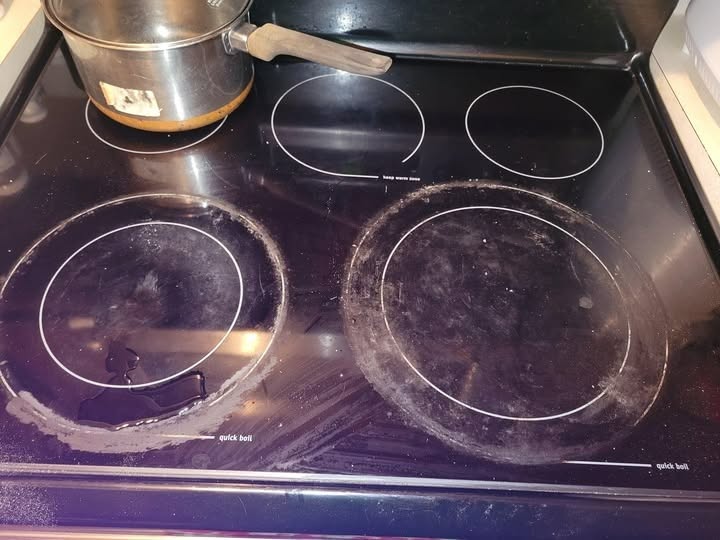
✨ How to Make Your Glass Stovetop Clean Again – The 3-Ingredient Deep Clean That Really Works
You love your glass stovetop.
It’s sleek.
Modern.
Easy to wipe… until it isn’t.
One boil-over.
A splatter of tomato sauce.
A forgotten pot on high heat.
And suddenly, your once-smooth surface looks like a war zone — streaked with burnt-on stains, water spots, and rainbow swirls that won’t budge no matter how hard you scrub.
The good news?
👉 You don’t need expensive cleaners or a replacement cooktop.
With just three common household ingredients — baking soda, dish soap, and white vinegar — you can safely dissolve stubborn grime and restore your stovetop to near-new condition.
No harsh fumes.
No toxic sprays.
Just real results.
Let’s bring back the shine — gently, naturally, and without the elbow grease.
Because real cleaning isn’t about force.
It’s about smart chemistry and one smart paste. 💛
🔬 Why This Method Works (The Science Behind the Sparkle)
Each ingredient plays a key role in breaking down different types of buildup:
For Complete Cooking STEPS Please Or Open button (>) and don’t forget to SHARE with your Facebook friends
✅
Baking Soda (Sodium Bicarbonate)
A gentle abrasive that lifts stuck-on food without scratching glass
✅
Dish Soap (Like Dawn or Seventh Generation)
Cuts through grease and oils from cooking
✅
White Vinegar (5% Acetic Acid)
Dissolves mineral deposits, hard water stains, and cloudiness
💡 When used together — especially as a thick paste — they work synergistically to loosen, lift, and clean without damaging the delicate ceramic-glass surface.
⚠️ Never use metal scrapers, steel wool, or oven cleaner — these can scratch or etch the surface.
🧽 Step-by-Step: Deep Clean Your Glass Stovetop in 20 Minutes
What You’ll Need:
½ cup baking soda
2–3 drops liquid dish soap
¼ cup white vinegar
Spray bottle (optional)
Soft sponge or microfiber cloth
Plastic scraper (like a credit card or gift card)
Clean, dry towel
🔌 Important: Let the stovetop cool completely before cleaning. Never apply cold liquid to a hot surface — risk of cracking!
Instructions:
Step 1: Wipe Away Loose Debris
Use a dry microfiber cloth to remove crumbs, dust, or loose residue.
Step 2: Make the Cleaning Paste
In a small bowl, mix:
½ cup baking soda
2–3 drops dish soap
Add vinegar slowly — it will fizz!
Stir into a thick paste (like toothpaste).
🍃 Optional: Add 1 tsp water if too thick.
Step 3: Apply & Cover the Surface
Spread the paste evenly over stained areas using a sponge.
Focus on burnt spots, rings, and cloudy patches.
For tough buildup, cover with a warm, damp cloth for 5–10 minutes to soften grime.
Step 4: Gently Scrub
Use the sponge in circular motions to lift residue.
For stubborn spots, use the edge of a plastic scraper gently — never metal.
Step 5: Rinse & Wipe
Dampen a clean cloth with water and wipe away all paste.
For extra shine, spray with vinegar and wipe again — removes any haze.
Step 6: Buff to Shine
Dry thoroughly with a soft, lint-free towel.
Buff in circular motions for a streak-free, reflective finish.
✅ Result: A smooth, spotless stovetop that looks brand new.
For Complete Cooking STEPS Please Or Open button (>) and don’t forget to SHARE with your Facebook friends
✅ Tips for Best Results
Clean regularly
Prevents deep buildup — weekly wipes help
Use only recommended tools
Avoid scratches from abrasive pads or knives
Don’t pour vinegar directly
Can pool and leave marks — always dilute or apply with cloth
Try lemon juice instead of vinegar
Natural alternative with similar acid power
Keep a squeegee nearby
Great for quick wipe-downs after cooking
🔥 Pro Tip: After cleaning, apply a thin layer of ceramic cooktop conditioner (optional) to repel future stains.
❌ Debunking the Myths
❌ “Toothpaste cleans glass stoves”
Not proven — can leave residue or abrasives
❌ “Magic Erasers are safe”
Melamine sponges can micro-scratch — use cautiously
❌ “Vinegar damages glass”
False — safe on tempered glass when used properly
❌ “Only chemical cleaners work”
No — natural methods work well with consistency
🛡️ How to Protect Your Stovetop Long-Term
Lift pots, don’t slide them
Prevents scratches and scuffs
Use flat-bottomed cookware
Ensures even heat and less spillage
Clean spills when cool
Easier removal before they bake on
Avoid cast iron with rough bottoms
Can scratch; place a liner if needed
Use lower heat settings
Reduces boiling over and burning
📌 Prevention saves time — and keeps your investment looking pristine.
Final Thoughts
You don’t need a magic potion to revive your glass stovetop.
You just need three pantry staples — and a few quiet minutes.
So next time you’re staring at a grimy cooktop…
don’t stress.
Grab the baking soda.
Mix the paste.
Wipe with care.
Because real cleanliness isn’t loud.
It’s quiet.
And sometimes,
it starts with a little fizz and a lot of faith.
And that kind of sparkle?
It reflects more than light.
It shows pride in your kitchen — one polished inch at a time.
You May Also Like
 Soak Leftover Lemon Halves in White Vinegar for a Powerful Natural Cleaner
 Our grandparents would have recognized it immediately. It’s a small, unusual and almost forgotten fruit, which many people today have never tried. I’ll explain what it is in the first comment
 How to Make a Super Effective Homemade Herbicide: A Science-Backed, Eco-Conscious Guide
 This Vegetable Will Fix Everything That’s Wrong With Your Body – Here’s Why You Need More of It!