The Quiet Power of Small, Everyday Kindness
Not every meaningful moment is planned. Sometimes the thing you remember most about an evening is not the part you arranged, but a small, unscripted act…

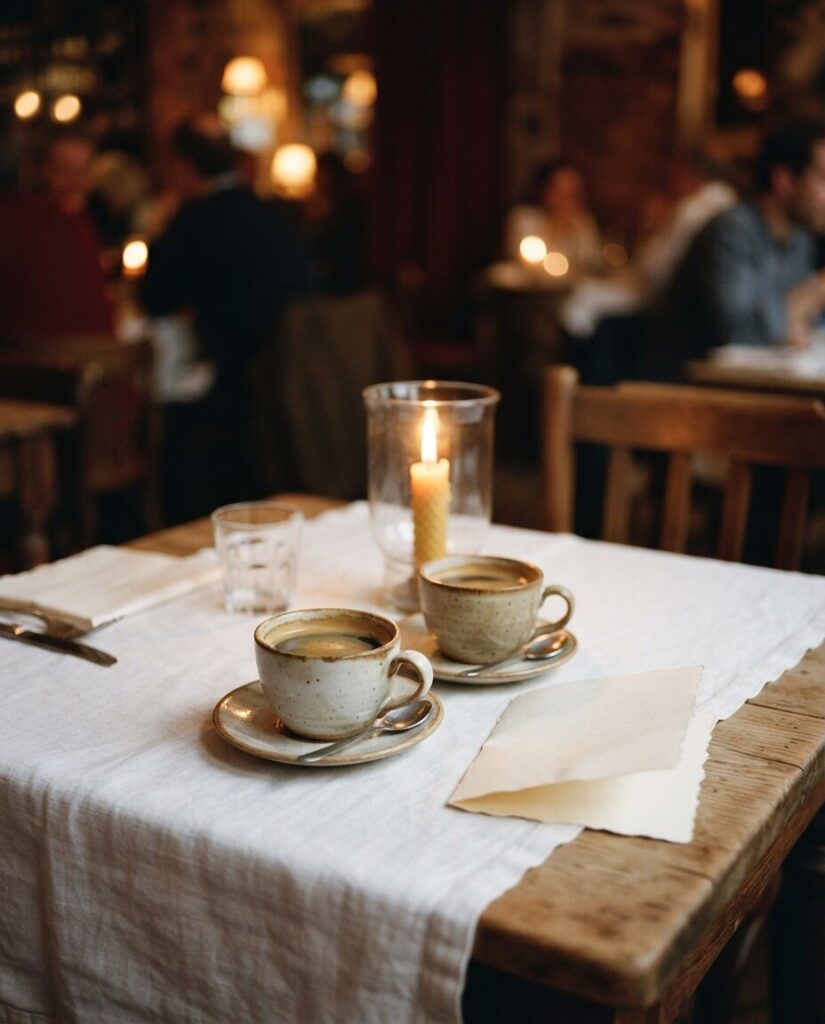
Not every meaningful moment is planned. Sometimes the thing you remember most about an evening isn’t the part you arranged, but a small, unscripted act of kindness from a person you’ll probably never see again. A quietly settled bill, a held door, a warning about the weather, a stranger who notices you’re struggling and steps in without being asked. These gestures are tiny, yet they can completely change the emotional tone of a hard moment.
Jump to section
It happened to me once, years ago, at a diner where my card got declined and I was fumbling for a backup that wasn’t there. A stranger a couple of tables over quietly told the server to put it on their tab and was gone before I could even thank them properly. I still think about that more than almost anything else that’s happened to me in a restaurant. Whether or not any single version of a story like that is retold exactly as it happened, it resonates because most of us have been on one side of it. We know how much a small kindness can weigh when we are feeling exposed.
Why small kindnesses land so hard
People who study generosity often point out that unexpected kindness carries more emotional impact than we predict. Part of the reason is timing. A kind gesture offered in a vulnerable moment, when you are embarrassed, tired, or overwhelmed, arrives exactly when your defenses are down. It signals that someone saw you, understood the moment, and chose to help rather than look away.
These moments also tend to ripple outward. People who receive an unexpected kindness are often more likely to pass one along, sometimes to a completely different person. A single gesture can quietly set off a chain the original giver never sees.
It is worth remembering that kindness rarely needs to be grand. The gestures that stay with people are usually ordinary and quiet, offered without an audience and without any expectation of thanks. That is often exactly what makes them land.
Everyday ways to offer a little kindness
You do not need a dramatic gesture or a lot of money to make someone’s day easier. Some of the most appreciated kindnesses cost nothing at all:
- Notice when someone is flustered and offer a calm, low-key way out instead of drawing attention to it.
- Say a genuine thank-you to people whose work usually goes unnoticed, such as servers, drivers, cleaners, and cashiers.
- Let a distracted or hurried person go ahead of you in line.
- Offer a specific compliment rather than a generic one.
- Check in on a friend who has gone quiet, with no agenda beyond saying hello.
How to handle your own awkward moments
Kindness is not only something you give; sometimes the harder skill is receiving it, or staying composed when you are the one caught off guard. A declined card, a spilled drink, a forgotten name. These small social stumbles feel enormous in the moment and are usually forgotten by everyone else within minutes.
A few things tend to help:
- Name it lightly. A calm, self-aware remark often diffuses tension faster than pretending nothing happened.
- Separate the glitch from your worth. A technical hiccup or an honest mistake is not a verdict on who you are.
- Let people be kind to you. Accepting help graciously is its own form of generosity, because it lets the other person feel good about giving.
When you are on the receiving end
If a stranger does something generous for you, the best response is usually simple: thank them sincerely, and, if you can, look for a chance to do something similar for someone else. That is often what the giver hoped for anyway. Kindness tends to travel better sideways than backward.
FAQ
Does being kind actually benefit the giver?
Many people report that small acts of kindness leave them feeling more positive and connected, and some research links generous behavior with improved mood. Results vary from person to person, but the effort rarely feels wasted.
What if my kindness is refused or misread?
It happens, and it is usually not about you. Offer gently, respect a no, and move on. The intention still counts.
How do I recover from an embarrassing moment in public?
Take a breath, keep your reaction light, and remember that onlookers move on far faster than you expect. Most awkward moments are far more memorable to you than to anyone watching.
The details of any one story fade, but the lesson behind them is steady: a small, well-timed kindness can turn a low moment into a memorable one. In a busy world, choosing to notice other people, and letting them notice you, is a quietly powerful habit worth keeping.