Depression-Era Tomato Soup Cake: An Old Pantry Trick
A moist depression era tomato soup cake recipe with warm spices and old-fashioned frugality — original, step-by-step, with tips for swaps and storage.

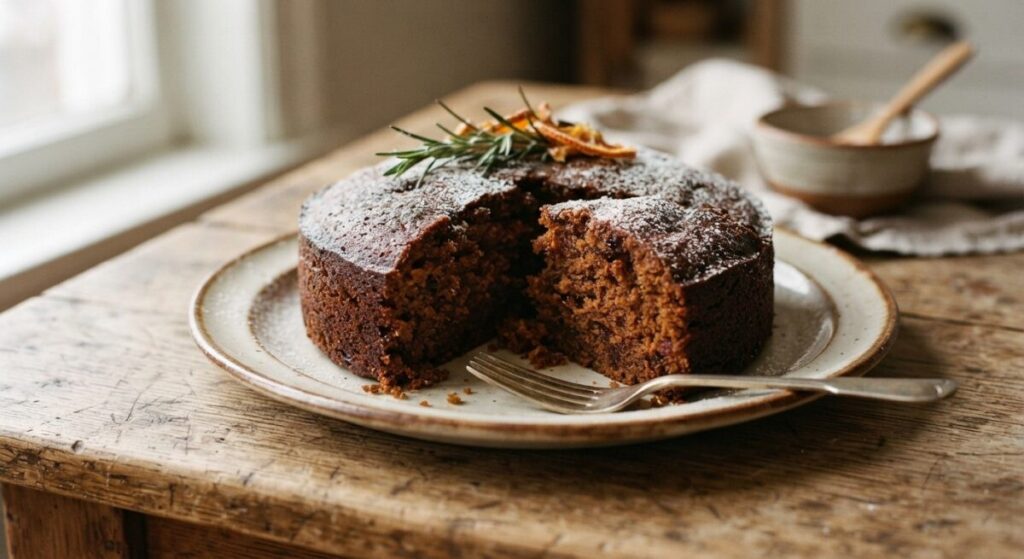
There’s a particular kind of kitchen magic in a cake that shouldn’t work but does. Open a dented can of tomato soup, stir it into a spice batter, and what comes out of the oven isn’t a savory oddity — it’s a moist, russet-colored spice cake that tastes faintly of cinnamon and cloves, with not a hint of tomato to be found. In farmhouse kitchens of the 1930s, this was less a novelty than a small triumph: a dessert built almost entirely from what was already on the shelf, at a moment when nothing left the pantry without earning its keep.
Tomato soup cake shows up again and again in church cookbooks and hand-copied recipe cards from the Depression years, usually in the same looping pencil, usually a little spattered. It was the kind of recipe passed woman to woman over a fence or after a potluck, because everyone wanted to know how a cake with soup in it could taste so good.
The Story Behind It
Condensed tomato soup was cheap, shelf-stable, and, once diluted with the right amount of milk or water, dinner in a hurry. But an open can that wasn’t fully used didn’t go to waste — it went into whatever was being baked next. Bakers found that the soup did real work in a cake: its acidity reacted with baking soda for a good rise, its sugar and tomato pulp added natural sweetness and body, and it kept the crumb tender at a time when butter and eggs were rationed by necessity rather than recipe. The result was a cake that needed only one egg and a modest amount of fat, yet came out rich, spiced, and a deep brick-red that made it look festive without a drop of food coloring or an elaborate frosting. It was proof that a “poor” ingredient, used cleverly, could out-perform a fancier one.
Ingredients
- 1 3/4 cups all-purpose flour
- 1 cup granulated sugar
- 1 teaspoon baking soda
- 1/2 teaspoon baking powder
- 1 1/2 teaspoons ground cinnamon
- 1/2 teaspoon ground cloves
- 1/4 teaspoon ground nutmeg
- 1/2 teaspoon salt
- 1/3 cup butter or shortening, softened
- 1 large egg
- 1 can (10.5 oz) condensed tomato soup, undiluted
- 1/2 cup raisins or chopped walnuts (optional)
- Powdered sugar or simple brown-sugar glaze, for finishing
How to Make It
- Preheat the oven to 350°F. Grease and flour a 9-inch square pan or an 8×4 loaf pan.
- In a bowl, sift together the flour, baking soda, baking powder, cinnamon, cloves, nutmeg, and salt. Set aside.
- In a separate large bowl, cream the butter and sugar until light and well blended.
- Beat in the egg, then stir in the tomato soup until the mixture is smooth (it will look strange — that’s normal).
- Fold the dry ingredients into the wet mixture in two additions, stirring just until no streaks of flour remain.
- Fold in raisins or walnuts, if using.
- Pour the batter into the prepared pan and smooth the top.
- Bake for 30–35 minutes, until a toothpick inserted in the center comes out clean.
- Cool in the pan for 10 minutes, then turn out onto a rack to cool completely before dusting with powdered sugar or drizzling with glaze.
Tips, Swaps & Notes
If you don’t have raisins, chopped dates or dried currants work just as well and lean into the old-fashioned flavor. Some cooks of the era stirred in a handful of chopped walnuts for crunch when nuts were on hand from a backyard tree. A modern touch — cream cheese frosting — is genuinely wonderful here and plenty of families add it today, though it wasn’t the original approach; a simple sugar glaze or nothing at all was more typical when cream cheese wasn’t a staple. The cake keeps beautifully at room temperature, covered, for three to four days, and it freezes well wrapped tightly in foil. Because the soup does so much of the moisture work, resist the urge to add extra liquid even though the batter looks unusual going into the pan.
Why It Still Matters
Tomato soup cake endures because it’s a small, delicious surprise — the kind of recipe that makes people lean in and ask what’s really in it. It’s a reminder that resourcefulness in the kitchen isn’t a compromise; sometimes it’s the whole reason something becomes a favorite in the first place.
Somewhere there’s still a recipe box with a soup-stained card for this one, and that’s exactly as it should be.